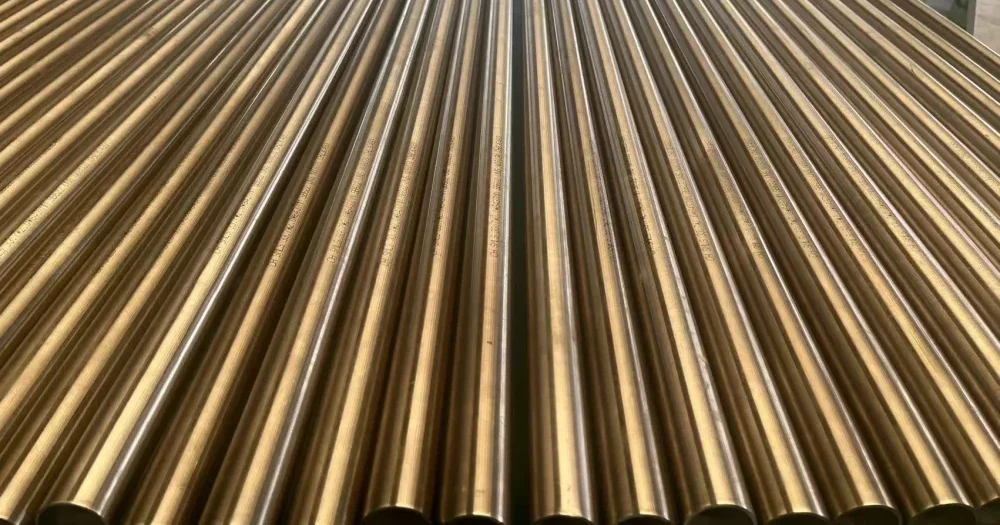
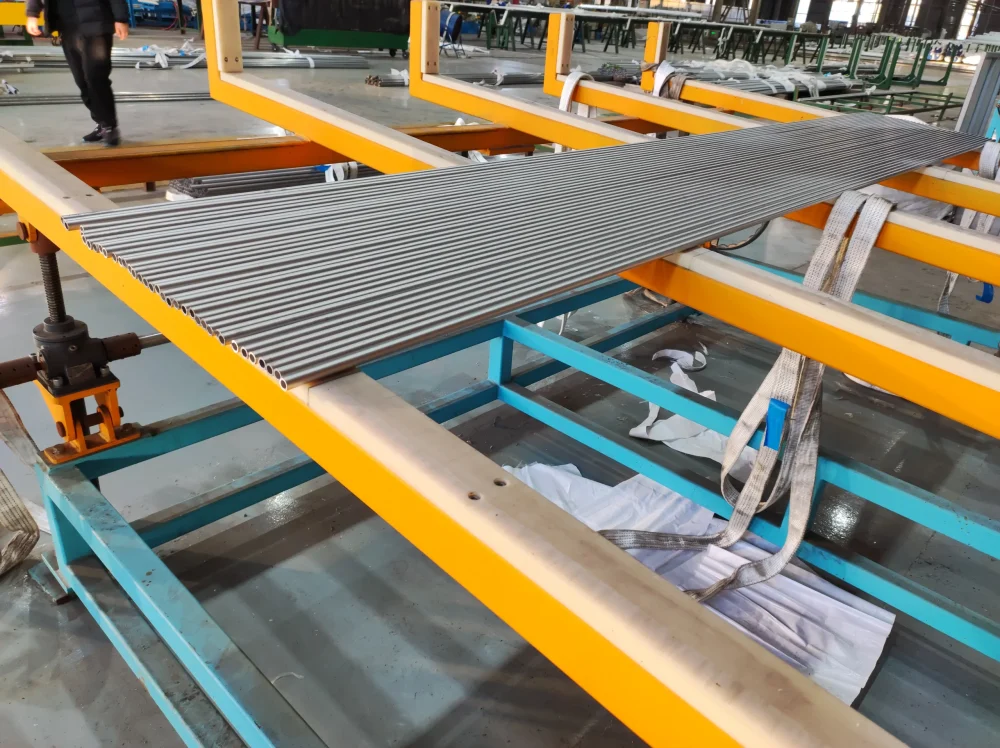
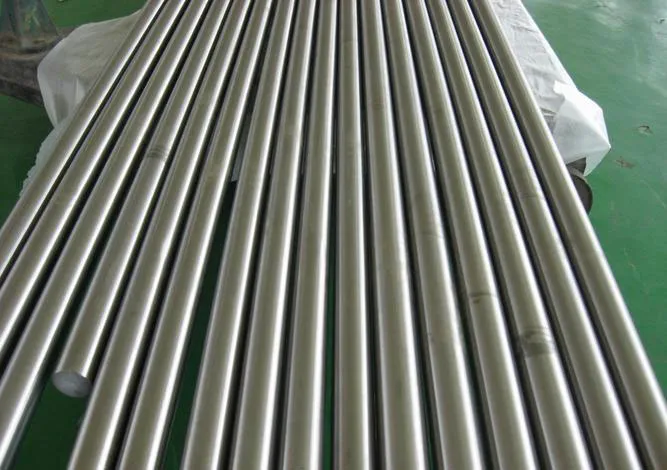
Mayorista de bridas de acero inoxidable 304: 304, 304L, 304H
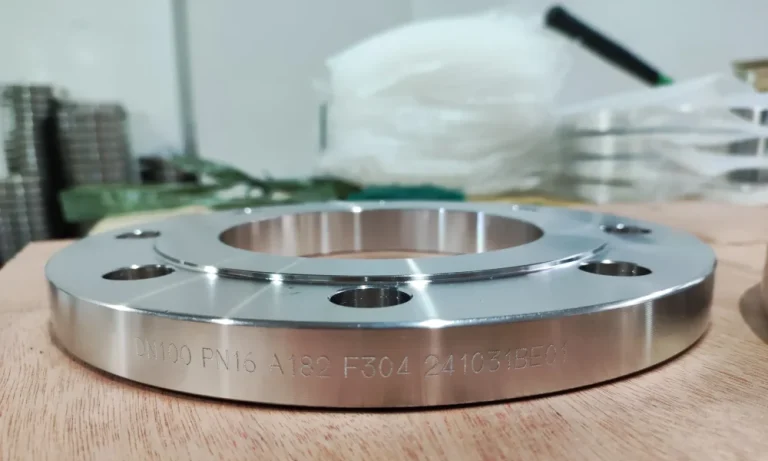
Composición química de la brida de acero inoxidable 304 (304/L/H)
| Elemento | C | Cr | Ni | Minnesota | Si | P | S | norte |
|---|---|---|---|---|---|---|---|---|
| 304 | ≤ 0.08 | 18.0 - 20.0 | 8.0 - 11.0 | ≤ 2.00 | ≤ 1.00 | ≤ 0.045 | ≤ 0.030 | ≤ 0.10 |
| 304L | ≤ 0.03 | 18.0 - 20.0 | 8.0 - 12.0 | ≤ 2.00 | ≤ 1.00 | ≤ 0.045 | ≤ 0.030 | ≤ 0.10 |
| 304H | 0.04 - 0.10 | 18.0 - 20.0 | 8.0 - 11.0 | ≤ 2.00 | ≤ 1.00 | ≤ 0.045 | ≤ 0.030 | – |
Principales diferencias
- 304 (Estándar):
El acero inoxidable estándar “18-8”, adecuado para la mayoría de los entornos corrosivos generales. - 304L (bajo en carbono):
Al limitar el contenido de carbono a 0,03% o menos,este grado previene eficazmente la precipitación de carburos durante la soldadura,evitando así la “corrosión de la soldadura”. Es adecuado para aplicaciones en las que no se realiza ningún tratamiento térmico posterior a la soldadura. - 304H (alto contenido en carbono):
El contenido mínimo de carbono se especifica en 0,04%. El mayor contenido de carbono mejora significativamente la resistencia a la fluencia y las propiedades mecánicas del material a altas temperaturas superiores a 500°C.
¿Tiene alguna necesidad?
Más información
Propiedades mecánicas de la serie de bridas de acero inoxidable 304
Debido a su menor contenido de carbono, el 304L tiene una resistencia ligeramente inferior a la del 304 estándar, mientras que el 304H, con su mayor contenido de carbono, presenta una mayor durabilidad a altas temperaturas.
| Métricas de rendimiento | 304 | 304L | 304H |
|---|---|---|---|
| Fuerza de Tensión | ≥ 515 MPa | ≥ 485 MPa | ≥ 515 MPa |
| Límite elástico 0,2% | ≥ 205 MPa | ≥ 170 MPa | ≥ 205 MPa |
| Alargamiento en 50 mm | ≥ 30% | ≥ 30% | ≥ 30% |
| Dureza, Brinell | ≤ 187 HBW | ≤ 187 HBW | ≤ 192 HBW |
Análisis de las principales diferencias
El 304L tiene una resistencia ligeramente inferior:
Debido a que el contenido de carbono se ha reducido para mejorar la soldabilidad, la resistencia a la tracción y el límite elástico del 304L son aproximadamente 5-15% más bajos que los del 304 estándar. Al diseñar sistemas de tuberías de alta presión, esto puede resultar en que las bridas 304L tengan rangos de presión ligeramente más bajos que las bridas 304 dentro de ciertos rangos de temperatura.
Ventajas del 304H a altas temperaturas:
Aunque las propiedades de resistencia del 304H a temperatura ambiente son básicamente idénticas a las del 304 estándar, su verdadero valor se alcanza a temperaturas superiores a 500 °C. El mayor contenido de carbono mejora significativamente la resistencia a la fluencia del material, haciéndolo menos propenso a la deformación o fractura bajo esfuerzos prolongados a alta temperatura.
Doble certificación:
Como proveedor profesional de bridas de acero inoxidable 304,Kaysuns puede proporcionarle estas bridas de doble certificación.El contenido de carbono del material es inferior a 0,03%,mientras que un proceso de fabricación especializado asegura que su resistencia cumple con el nivel estándar 304.Estas bridas cumplen con los requisitos de ambas especificaciones.
Recomendaciones de compra
- Si su sistema requiere muchas soldaduras y funciona a presión moderada, elija 304L.
- Para entornos con temperaturas extremadamente altas (superiores a 525°C), debe seleccionarse 304H.
- Para aplicaciones generales, las bridas de doble grado 304 o 304/304L son la opción más económica y versátil.
4 Métodos de fabricación de la brida de acero inoxidable 304
Forja
Fundición centrífuga
Corte de placas
Rodamiento de anillos
El laminado en anillo es el método preferido para bridas grandes. Consiste en calentar un fleje o perfil de acero inoxidable, doblarlo en forma de anillo, soldar la unión y mecanizarla a continuación.
Aplicaciones de la brida de acero inoxidable 304 (304/L/H)
Brida de acero inoxidable 304
- Alimentación y bebidas
- Suministro de agua
- Industria química ligera
- Arquitectura y estructuras
- Productos farmacéuticos y médicos
Brida de acero inoxidable 304L
- Tuberías soldadas de pared gruesa
- Almacenamiento y transporte de productos químicos
- Industria papelera
- Energía nuclear
- Agua farmacéutica de gran pureza
Brida de acero inoxidable 304H
- Calderas y recalentadores industriales
- Intercambiadores de calor petroquímicos
- Recipientes a presión y energía nuclear
- Sistemas de abocardado y colectores de escape
- Almacenamiento en sales fundidas y CSP
Preguntas frecuentes sobre las calidades de las bridas de acero inoxidable 304
Aunque el 304L ofrece una mayor resistencia a la corrosión y es más fácil de soldar, su resistencia mecánica es aproximadamente 15% inferior a la del 304 estándar.
Recomendamos adquirir bridas con “doble certificación”, un material fabricado mediante un proceso especializado que combina las propiedades de bajo contenido en carbono del 304L con la resistencia del 304 estándar.
Al soldar acero inoxidable 304 estándar, el carbono se combina con el cromo para formar carburos de cromo, lo que reduce el contenido de cromo en los bordes de la soldadura y, en consecuencia, disminuye su resistencia a la corrosión.
El 304L tiene un contenido de carbono extremadamente bajo, por lo que no hay suficiente carbono para agotar el cromo durante la soldadura; por lo tanto, la soldadura conserva su resistencia original a la corrosión.
El 304H está diseñado específicamente para funcionar a temperaturas superiores a 525°C. A temperaturas tan elevadas, la resistencia a la corrosión ya no es lo más importante; la clave es garantizar que el material no se reblandezca ni se alargue al calentarse.
El 304H tiene un mayor contenido de carbono, por lo que es más susceptible a la sensibilización en la zona afectada por el calor durante la soldadura. Cuando se suelda 304H, se recomienda controlar estrictamente la temperatura entre pasadas y utilizar consumibles de soldadura de alto carbono compatibles.
El aspecto, el color, el peso y las propiedades magnéticas del 304, 304L y 304H son prácticamente idénticos. Sólo pueden distinguirse comprobando el sello del material en el lateral de la brida, revisando el certificado del material o realizando una prueba PMI.
Contacto
- RM901 No.22 Tangjiaqiao Road Wenzhou China
- +86 577 8551 1171
- [email protected]
- https://www.kaysuns.com/