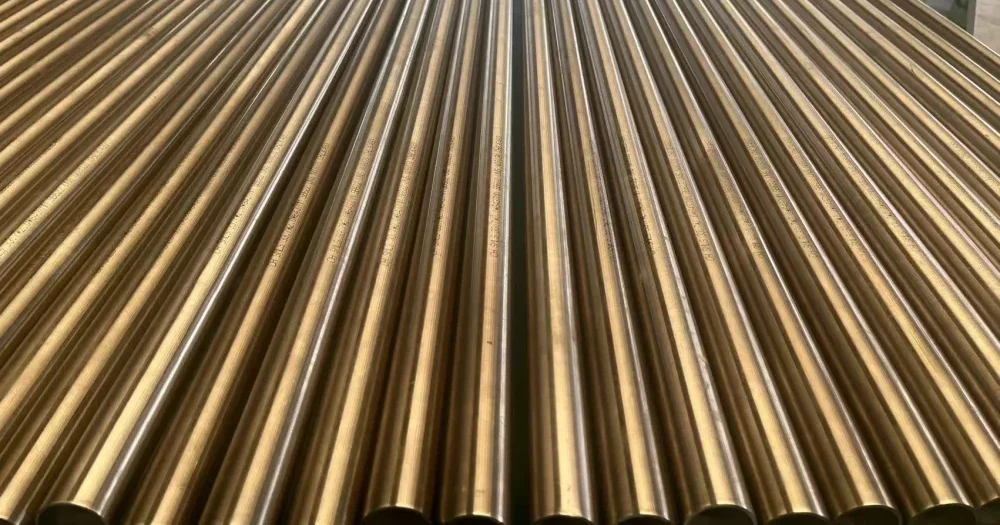
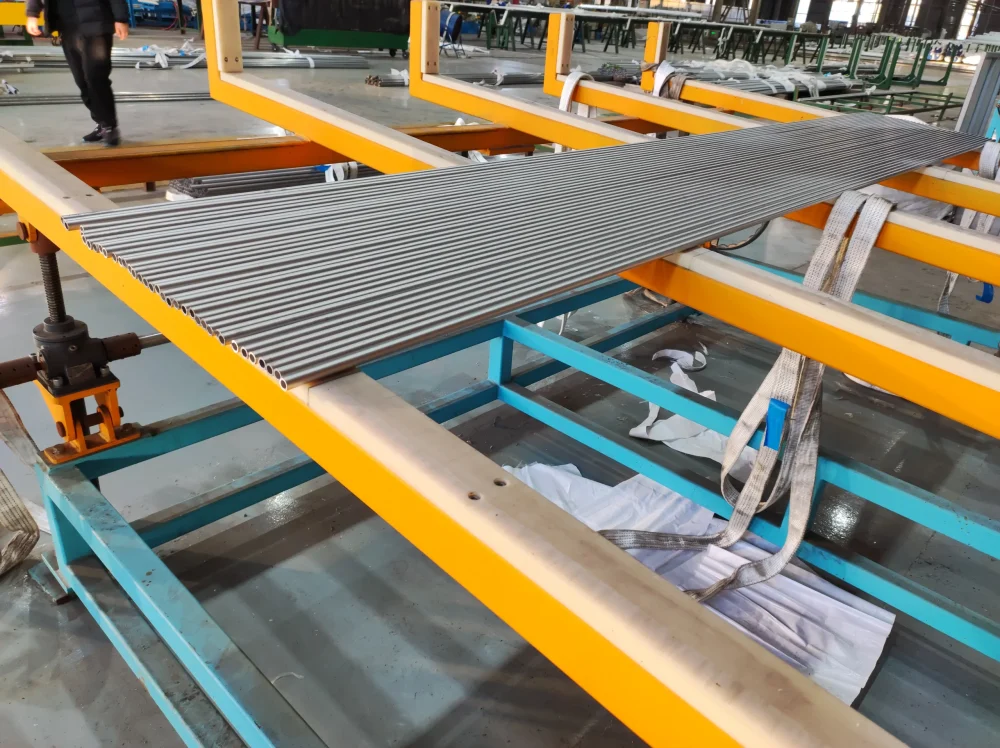
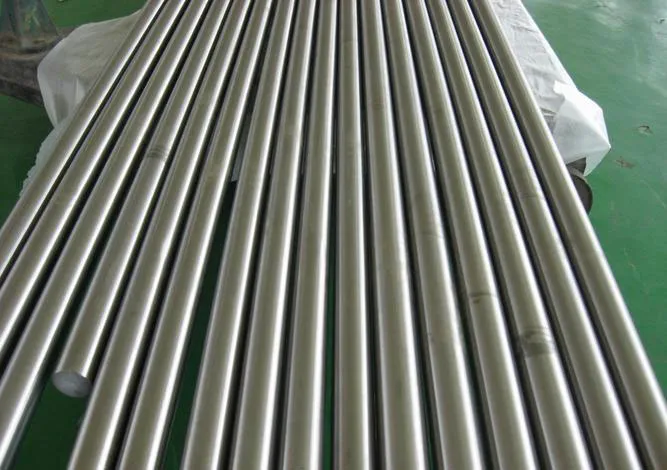
Flange ASTM A182 F12
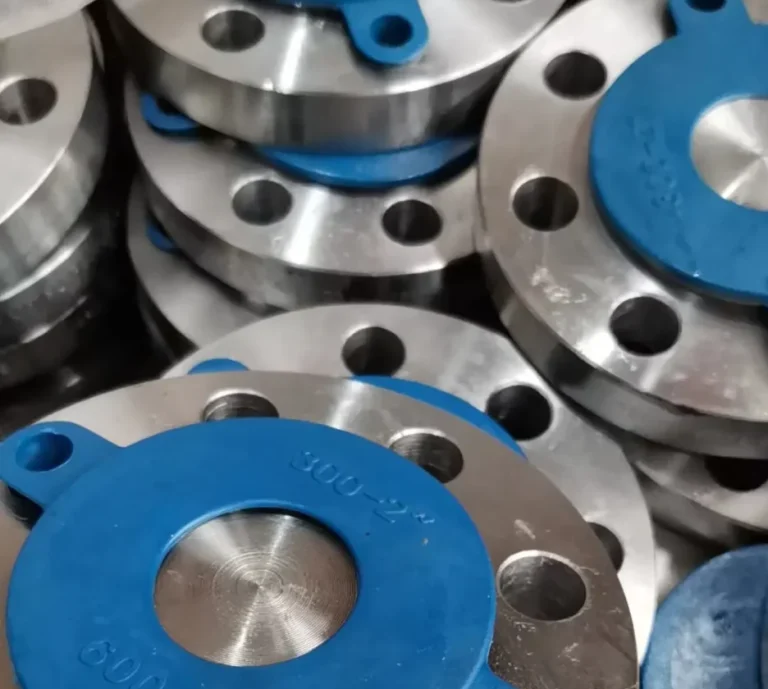
Composição química do flange F12
| Elemento | C | Mn | P | S | Si | Cr | Mo |
|---|---|---|---|---|---|---|---|
| Classe 1 (UNS K11562) | 0.05 - 0.15 | 0.30 - 0.60 | 0,045 Máximo | 0,045 Máximo | 0,50 no máximo | 0.80 – 1.25 | 0.44 - 0.65 |
| Classe 2 (UNS K11564) | 0.10 – 0.20 | 0.30 – 0.80 | 0,040 Máximo | 0,040 Máximo | 0.10 – 0.60 | 0.80 – 1.25 | 0.44 - 0.65 |
Principais funções elementares
O molibdênio melhora significativamente a “resistência à fluência”, impedindo que o aço se deforme lentamente sob tensão constante em temperaturas extremas.
A Classe 2 possui maior teor de carbono e, normalmente, apresenta maior resistência à tração e maior limite de escoamento do que a Classe 1.
Tem um requisito?
Entre em contato conosco para obter mais informações
Propriedades mecânicas da flange F12
| Métricas de desempenho | Classe 1 | Classe 2 |
|---|---|---|
| Resistência à tracção | ≥ 415 MPa (60 ksi) | ≥ 485 MPa (70 ksi) |
| Força de rendimento | ≥ 220 MPa (32 ksi) | ≥ 275 MPa (40 ksi) |
| Alongamento | ≥ 20% | ≥ 20% |
| Dureza | 121 - 174 HBW | 143 - 207 HBW |
Qual é a temperatura máxima de operação de um flange F12?
Acima dessa temperatura, a resistência à oxidação e a resistência à fluência do material diminuem significativamente.
Se as condições de operação ultrapassarem 540 °C, recomendamos a mudança para a liga F22 ou uma liga de grau superior.
O F12 requer tratamento térmico?
Os processos comuns incluem recozimento completo, recozimento isotérmico ou normalização e revenimento.
Para o F12, normalmente exige-se que a temperatura mínima de revenimento não seja inferior a 620 °C (1150 °F).
Como é a soldabilidade do F12?
Normalmente, é necessário pré-aquecer a uma temperatura entre 150 °C e 250 °C antes da soldagem.
Para aliviar as tensões residuais da soldagem e evitar rachaduras, geralmente é necessário realizar um tratamento térmico a aproximadamente 650 °C após a soldagem.
4 Métodos de fabricação da flange F12
Forjamento de matriz fechada
Forjamento de matriz aberta / Forjamento livre
Forjamento de anéis laminados
Usinagem de barras forjadas
Aplicações da flange ASTM A182 F12
- Fabricação de trocadores de calor
- Processamento petroquímico
- Sistemas de caldeiras de alta pressão
- Refinarias de petróleo
- Usinas de energia movidas a combustíveis fósseis
- Usina Nuclear
- Instalações de conversão de resíduos em energia
- Redes de distribuição de vapor
- Produção de fertilizantes
- Usinas de processamento de gás
Perguntas frequentes sobre a flange ASTM A182 F12
Isso é normalmente determinado pela pressão nominal de projeto. Se os seus desenhos de engenharia exigirem maior resistência à pressão ou espessura de parede menor, geralmente opta-se pela Classe 2; se a ductilidade do material for uma prioridade maior, escolhe-se a Classe 1.
Tecnicamente, eles são muito semelhantes, mas não são diretamente intercambiáveis. O F11 possui um teor de cromo ligeiramente mais alto e um teor de silício mais elevado; o F12 tem um teor de cromo ligeiramente mais baixo, mas seu preço e desempenho são muito semelhantes em muitas aplicações de alta temperatura de uso geral.
Em tubulações de pressão sujeitas a rigorosos requisitos do código ASME, deve-se utilizar o tipo específico indicado na documentação de projeto; substituições arbitrárias podem resultar em problemas de conformidade.
A superfície de um flange F12 padrão deve apresentar marcações estampadas nítidas, que normalmente incluem:
Especificação: ASTM A182
Série: F12 CL1 ou F12 CL2
Classificação de pressão: por exemplo, 150 lb ou 300 lb
Tamanho: por exemplo, 4″ SCH40
N.º da fornada: Corresponde a um Relatório de Ensaio de Material (MTR/TC) exclusivo.
Os quatro tipos mais comuns são:
Ponto de solda (WN): Soldado de topo, utilizado para alta pressão e condições operacionais extremas.
Slip-On (SO): Com flange, fácil de instalar e relativamente barato.
Blind (BL): Flange cega, utilizada para vedar a extremidade de uma tubulação.
Soldagem por encaixe (SW): Soldagem por encaixe, normalmente utilizada em dutos de alta pressão de pequeno diâmetro.
Contate-nos
- RM901 No.22 Tangjiaqiao Road Wenzhou China
- +86 577 8551 1171
- [email protected]
- https://www.kaysuns.com/