A interação química entre o ácido nítrico e o aço inoxidável
Compatibilidade entre o ácido nítrico e os tipos de ligas de aço inoxidável
Curiosamente, o teor de molibdênio nos aços 316 e 316L confere a eles excelente resistência ao cloreto, mas, nesse aspecto, eles geralmente apresentam desempenho inferior ao do aço 304. Eles podem se degradar rapidamente em ácidos fortemente oxidantes.
Os engenheiros preferem o aço 304L para tanques de armazenamento industriais padrão. Em condições extremas de ebulição, os projetistas costumam abandonar completamente as ligas austeníticas padrão. Eles especificam tubulações avançadas de titânio ou Hastelloy para garantir total segurança.
Guia de compatibilidade de classes de materiais
| Tipo de liga metálica | Concentração (Wt %) | Temperatura máxima | Índice de compatibilidade |
|---|---|---|---|
| 304L / 1.4307 | Até 65% | Até a ebulição (aprox. 100 °C / 212 °F) | Excelente |
| 304 / 1.4301 | Até 50% | Temperatura ambiente até 50 °C (122 °F) | Bom |
| 316L / 1.4404 | Até 50% | Temperatura ambiente até 60 °C (140 °F) | Moderado |
| 310L / 1.4335 (NAG) | 65% para 70% | Fervura / Fervura excessiva | Excelente |
| 321 / 1.4541 | Até 65% | Até 80 °C (176 °F) | Bom |
| Duplex 2205 / 1,4462 | Até 65% | Até 60 °C (140 °F) | Bom |
| Super Duplex 2507 | Até 70% | Até 80 °C (176 °F) | Muito bom |
| Ferritico 430 / 1.4016 | Até 30% | Somente ambiente | Condicional |
| Outras notas | > 95% (Fumo Vermelho) | Qualquer temperatura | Não recomendado |
- Excelente:Taxa de corrosão insignificante (< 0,1 mm/ano). Vida útil prolongada.
- Bom:Taxa de corrosão aceitável (0,1 a 0,5 mm/ano). Adequado para peças não críticas ou exposição em lote.
- Moderado:É necessário ter cuidado. Alto risco de corrosão localizada em caso de variações de temperatura.
- Condicional:Uso restrito. Requer monitoramento contínuo e controle rigoroso do processo.
- Não recomendado:Ocorrerão falhas catastróficas repentinas, corrosão por pite grave ou fissuração intergranular.
O que fazemos
- Placa
- Folha
- Forjados
- Barra redonda
- Mesa
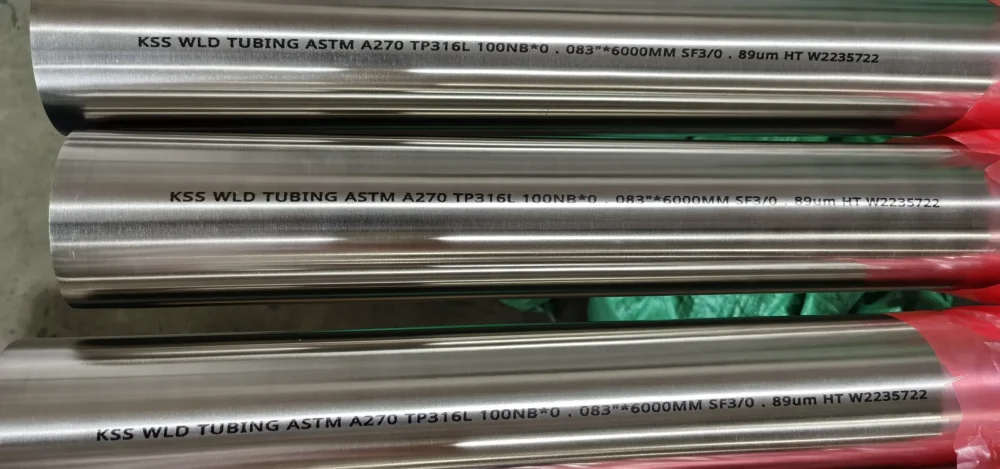
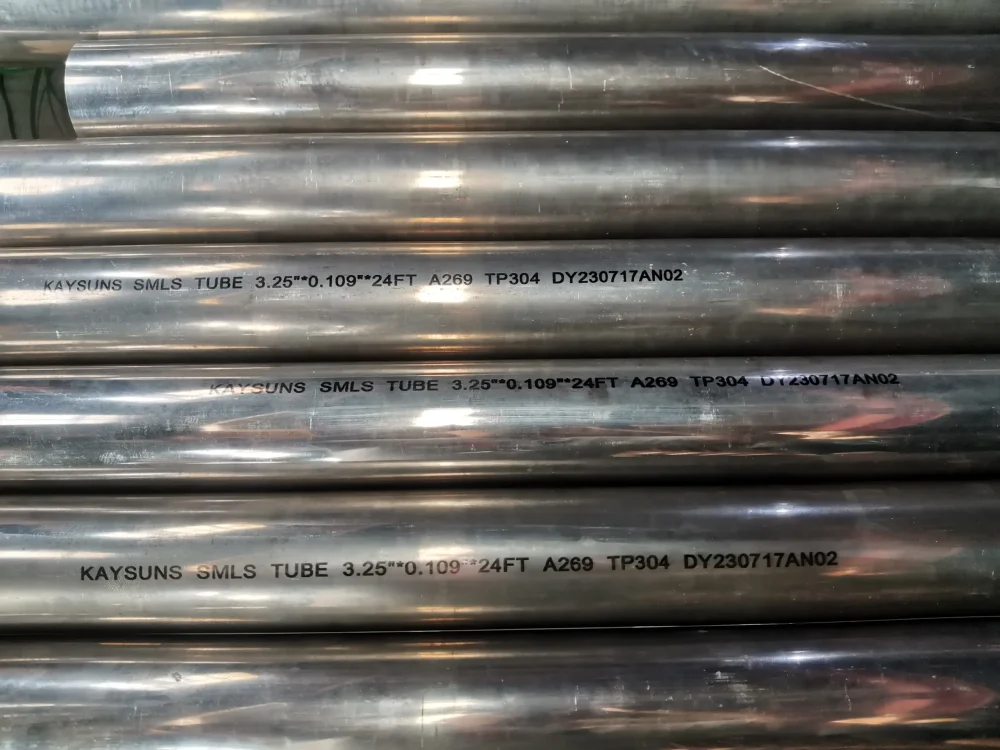
- Tubos
- Conexões
- Personalizado
Entre em contato conosco para obter mais informações
Limites de concentração e temperatura
Limites de temperatura para tubos de processamento
| Tipo de tubo de aço | Concentração de ácido (peso %) | Temperatura máxima permitida de operação | Índice de compatibilidade | Impacto e riscos da engenharia de dutos |
|---|---|---|---|---|
| 304L | 0% – 50% | Ponto de ebulição aprox. 100 °C–110 °C 212 °F–230 °F | Excelente | Ideal para linhas de produção. O baixo teor de carbono evita a deterioração das soldas nas juntas. |
| 50% – 65% | 80 °C (176 °F) | Bom | Temperaturas mais elevadas, até o ponto de ebulição, aceleram significativamente as taxas de corrosão. | |
| 316L / 316 | 0% – 30% | 60 °C (140 °F) | Moderado | Mantenha as velocidades de fluxo elevadas para evitar a formação de corrosão por pite em zonas de estagnação da tubulação. |
| 30% – 65% | Apenas temperatura ambiente (Máx. 30 °C / 86 °F) | Condicional | Alto risco. O molibdênio provoca um rápido ataque intergranular em linhas de alta temperatura. | |
| 310L NAG (Grau de ácido nítrico) | 50% – 70% | 120 °C (248 °F) | Excelente | Projetado para tubulações de processamento em condições extremas, aquecedores de gás residual e condensadores. |
| Duplex 2205 | 0% – 50% | 60 °C (140 °F) | Bom | Excelente para tubulações de alta pressão, mas a temperatura deve ser rigorosamente limitada. |
| Super Duplex 2507 | 0% – 65% | 85 °C (185 °F) | Muito bom | O cromo 25% mantém a integridade da película passiva sob altas cargas térmicas. |
| Outras notas | > 65% (Concentrado) | Apenas temperatura ambiente (Máx. 25 °C / 77 °F) | Restrito | A camada passiva é removida rapidamente se as temperaturas de processamento aumentarem. |
| Qualquer área de concentração | > 120 °C (248 °F) | Não recomendado | Entra no domínio transpassivo. Risco de afinamento catastrófico da parede e ruptura da tubulação. |
- O Fator Velocidade:Altas velocidades de fluxo (> 3 m/s) podem corroer a película passiva protetora, enquanto o fluido estagnado (< 0,5 m/s) permite o acúmulo perigoso de ácido nitroso. Procure manter um fluxo constante e contínuo.
- Ciclos térmicos:Os ciclos repetidos de aquecimento e resfriamento sobrecarregam as soldas da tubulação, tornando-as altamente vulneráveis a ataques de corrosão em linha de faca caso sejam utilizados aços que não sejam do tipo L.
- Tolerância na espessura da parede:Sempre acrescente uma margem de segurança contra corrosão estrutural (normalmente de 1,0 mm a 1,5 mm) à espessura calculada da tabela ao transportar ácido nítrico quente por tubulação.
Perguntas frequentes sobre ácido nítrico e aço inoxidável
É possível utilizar o aço 316L à temperatura ambiente com segurança. No entanto, o aço 304L apresenta, na verdade, um desempenho muito melhor e custa menos para essa aplicação específica.
O fluido em ebulição degrada a camada passiva de cromo com extrema rapidez. Para condições de ebulição, serão necessários titânio ou ligas altamente especializadas.
Sim, os fluidos em alta velocidade removem mecanicamente a camada protetora de óxido. É preciso manter constantemente vazões moderadas dentro da tubulação.
Os técnicos utilizam normas rigorosas da ASTM para verificar a resistência do metal. Eles medem a perda de peso com precisão, utilizando balanças analíticas sensíveis ao longo de intervalos de tempo específicos.
Controle de qualidade para sistemas de tubulação metálica
Métodos essenciais de testes de controle de qualidade
| Método de teste | Padrão | Objetivo principal | Principais critérios de aprovação / Ação |
|---|---|---|---|
| Teste de Huey | ASTM A262, Método C | Mede a taxa de corrosão intergranular em ácido nítrico 65% em ebulição. | Taxa de corrosão < 0,6 mm/ano (ou < 18–24 mils/ano) ao longo de 5 ciclos. |
| Teste de Streicher | ASTM A262 – Método B | Triagem rápida para detecção de corrosão intergranular utilizando sulfato férrico e ácido sulfúrico. | Verificação quantitativa da perda de peso; não deve haver queda de grãos. |
| Gravação com ácido oxálico | ASTM A262 Prática A | Análise rápida e não destrutiva da microestrutura por meio de corrosão química. | Deve apresentar uma estrutura do tipo “Step” ou “Dual”; a estrutura do tipo “Ditch” não é aceita. |
| Teste do Ferroxyl | ASTM A380 / A967 | Detecta a contaminação por ferro livre na superfície do aço. | Não aparecem pontos azuis dentro do prazo de inspeção especificado. |
| Imersão em água | ASTM A967 | Verifica a eficácia da passivação por meio de um ciclo de umedecimento e secagem. | Não há ferrugem nem manchas na superfície do componente após 24 horas. |
| Teste de alta umidade | ASTM A967 | Valida a estabilidade do filme passivo em condições de umidade 100% a 38 °C (100 °F). | Não é permitida a presença de nenhuma mancha de ferrugem após uma exposição contínua de 24 a 28 horas. |
- Antes do serviço: Realize o teste Ferroxyl ou o teste de imersão em água para garantir que a camada de passivação química esteja totalmente formada e livre de ferro livre.
- Para componentes soldados: Exija sempre a realização do Teste Huey para materiais que entram em contato com ácido nítrico quente ou concentrado, a fim de garantir que a zona afetada pelo calor não sofra deterioração rápida da solda.
Contate-nos
- RM901 No.22 Tangjiaqiao Road Wenzhou China
- +86 577 8551 1171
- [email protected]
- https://www.kaysuns.com/