1.4462 vs 1.4362 stainless steel,which metal is better suited for your specific piping project?Both offer exceptional structural strength for heavy-duty industrial applications.However,their vastly different chemical compositions fundamentally alter their commercial value.This guide clearly explains their global equivalencies.In addition,we provide detailed tables covering their thermal and mechanical properties.
The Core Of 1.4462 vs 1.4362
Grade 1.4462 is a standard duplex stainless steel containing high levels of the expensive elements molybdenum and nitrogen,which give it excellent resistance to pitting corrosion.
In contrast,Grade 1.4362 is a low-molybdenum duplex steel.Manufacturers intentionally reduce the molybdenum content to lower overall production costs.Consequently,the comparison between Grades 1.4462 and 1.4362 typically involves balancing budget constraints with the demands of harsh environments.
What We Do
- Plate
- Sheet
- Forgings
- Round Bar
- Flange
- Pipes
- Fittings
- Customized
Contact Us For More Information
Global Equivalent Materials For Both Alloys
U.S. engineers refer to Alloy 1.4462 as duplex stainless steel 2205,and its official ASTM designation is UNS S31803 or UNS S32205.Industry professionals refer to Alloy 1.4362 as 2304,and its official ASTM designation is UNS S32304.
| Alloy | EN | UNS | ASTM | JIS | GB |
|---|---|---|---|---|---|
| 1.4462 | X2CrNiMoN22-5-3 | S31803 / S32205 | F51 / F60 | SUS329J3L | 022Cr22Ni5Mo3N |
| 1.4362 | X2CrNiN23-4 | S32304 | F68 | SUS323L | 022Cr23Ni4MoCuN |
1.4462 vs 1.4362:PREN
PREN (Pitting Resistance Equivalent Number) is a key indicator of stainless steel’s resistance to pitting corrosion in chloride-containing environments.
| Property | 1.4462 | 1.4362 |
|---|---|---|
| Typical PREN Range | 31 – 35 | 24 – 26 |
| Corrosion Level | High | Medium |
| Key Alloy Differences | High Molybdenum | Mo-free |
| Seawater Suitability | Suitable for ambient seawater | Not recommended |
1.4462 vs 1.4362:Chemical Composition
The true secret to performance lies in the chemical composition of the metal.Let’s take a closer look at its exact chemical composition.This comparison table of the chemical compositions of 1.4462 and 1.4362 clearly lists the key elements.
| Chemical Element | Grade 1.4462 | Grade 1.4362 |
|---|---|---|
| Chromium (Cr) | 21.0% – 23.0% | 22.0% – 24.0% |
| Nickel (Ni) | 4.5% – 6.5% | 3.5% – 5.5% |
| Molybdenum (Mo) | 2.5% – 3.5% | 0.1% – 0.6% |
| Nitrogen (N) | 0.10% – 0.22% | 0.05% – 0.20% |
| Carbon (C) | Max 0.030% | Max 0.030% |
As shown above,1.4462 contains significantly more molybdenum.This specific element prevents severe corrosion in salty marine environments.Conversely,1.4362 relies mostly on high chromium for its basic protection.
Mechanical Properties At Various Temperatures
The mechanical properties of 1.4462 and 1.4362 are significantly higher than those of standard austenitic steels.Due to the risk of “475°C embrittlement” resulting from prolonged exposure to high temperatures,the operating temperature range for these two materials is typically limited to between -50°C and 280/300°C.
The table below provides the minimum design values for yield strength, tensile strength, and Young’s modulus based on EN 10088-3.
The table below provides the minimum design values for yield strength, tensile strength, and Young’s modulus based on EN 10088-3.
| Temp. (°C) | Grade | 0.2% Yield Strength Rp0.2(MPa) | Tensile Strength Rm(MPa) | Modulus of Elasticity E(GPa) |
|---|---|---|---|---|
| 20°C | 1.4462 | 450 | 650 – 880 | 200 |
| 1.4362 | 400 | 600 – 820 | 200 | |
| 100°C | 1.4462 | 360 | 590 | 194 |
| 1.4362 | 330 | 570 | 194 | |
| 150°C | 1.4462 | 335 | 570 | 191 |
| 1.4362 | 300 | 550 | 191 | |
| 200°C | 1.4462 | 315 | 550 | 186 |
| 1.4362 | 280 | 530 | 186 | |
| 250°C | 1.4462 | 300 | 540 | 183 |
| 1.4362 | 265 | 510 | 183 | |
| 300°C | 1.4462 | 285 | 530 | 180 |
| 1.4362 | 230 | 490 | 180 |
Note:
300°C is the absolute upper limit for short-term exposure.Long-term use above 250-280°C is generally discouraged for pressure-containing parts.
300°C is the absolute upper limit for short-term exposure.Long-term use above 250-280°C is generally discouraged for pressure-containing parts.
Thermal Properties:1.4462 vs 1.4362 Comparison
The thermal properties of 1.4462 and 1.4362 are very similar,as they have nearly identical 50/50 austenite-ferrite microstructures.
Compared to standard austenitic steels,these duplex steel grades have lower coefficients of thermal expansion and higher thermal conductivities,making them ideal for use in heat exchanger applications where thermal fatigue is a significant concern.
Compared to standard austenitic steels,these duplex steel grades have lower coefficients of thermal expansion and higher thermal conductivities,making them ideal for use in heat exchanger applications where thermal fatigue is a significant concern.
| Property | Temp. (°C) | 1.4462 | 1.4362 |
|---|---|---|---|
| Mean Coeff. of Thermal Expansion 10-6 · K-1 | 20 – 100 | 13.0 | |
| 20 – 200 | 13.5 | ||
| 20 – 300 | 14.0 | ||
| Thermal Conductivity W/m · K | 20 | 15.0 | |
| 100 | 16.0 | ||
| 300 | 19.0 | ||
| Specific Heat Capacity J/kg · K | 20 | 500 | |
| Electrical Resistivity Ω · mm2 /m | 20 | 0.80 | |
Pros And Cons Of Each Material
Every industrial metal has specific strengths and distinct structural weaknesses.First,consider the advantages of grade 1.4462 today.It offers massive pitting resistance and handles ocean water easily.However,its primary drawback is a significantly higher purchase price.
Second,grade 1.4362 provides excellent yield strength at a lower cost.Its price remains very stable because it lacks expensive molybdenum.Unfortunately,it will rust quickly in highly acidic chemical plants.Therefore,evaluating the 1.4462 vs 1.4362 options requires careful environmental analysis.
Choosing Products In The 1.4462 vs 1.4362 Debate
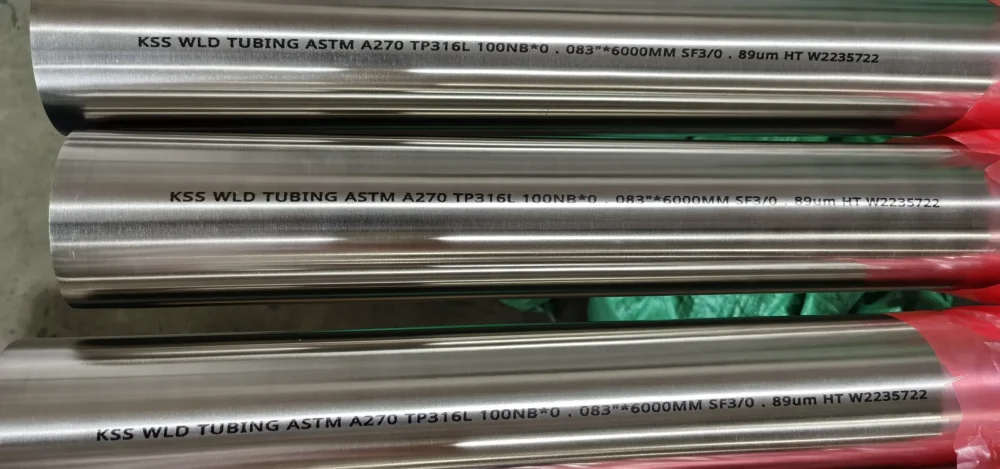
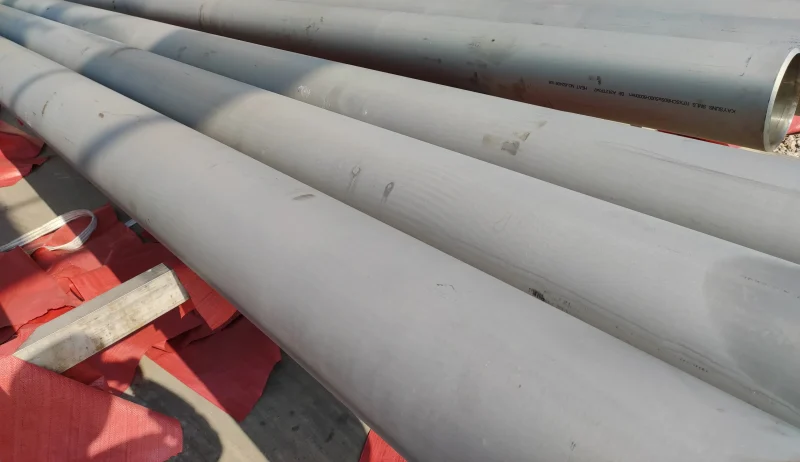
First,let’s take a look at seamless steel pipes and heavy-duty welded steel pipes.Engineers specify 1.4462 duplex pipes for deep-sea oil platforms,and this type of pipe is also widely used in acid pulp production.In contrast,architects use 1.4362 steel pipes to construct the basic framework of bridges.Desalination plants also use 1.4362 steel pipes to transport purified water.
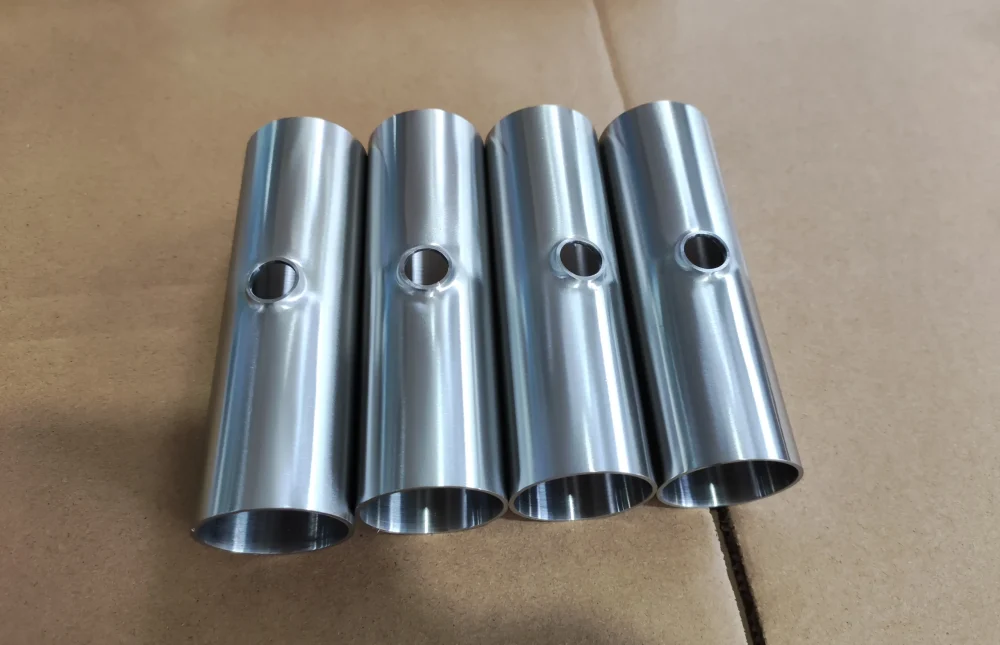
Second,let’s take a closer look at stainless steel pipe fittings.Elbows and tees must perfectly match the steel grade of the parent pipe.We manufacture 1.4462-grade fittings for pipelines transporting highly corrosive chemicals.At the same time,we also produce 1.4362-grade fittings for standard civil engineering projects.
Third,forged flanges securely connect these critical systems.The selection of 1.4462 flanges and 1.4362 flanges depends on the specific system pressure.We provide heavy-duty 1.4462 flanges for hazardous chemical storage tanks.Additionally,we supply 1.4362 flanges for municipal wastewater treatment plants.
Contact Us
Get In Touch
- RM901 No.22 Tangjiaqiao Road Wenzhou China
- +86 577 8551 1171
- [email protected]
- https://www.kaysuns.com/
Find Us