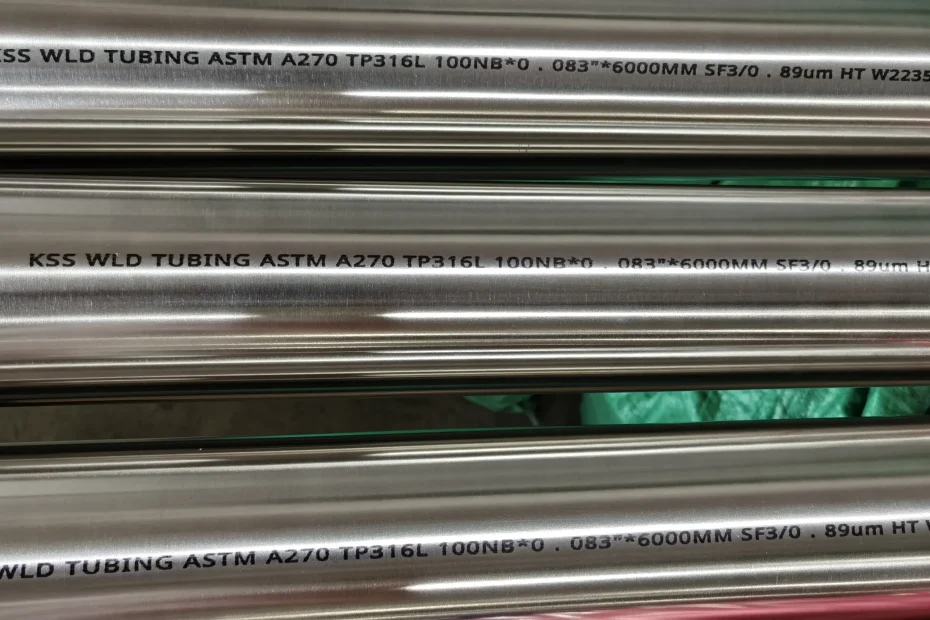
Electropolished VS Polished Pipe | The Differences, 2026
Confused about the electropolished vs polished pipe debate?Discover the exact differences in cost,corrosion resistance,and purity in our complete 2026 guide.
From this page, you can learn what is the product of our production and sales of duplex stainless steel pipes, industrial welded pipes, stainless steel flanges, etc.
Confused about the electropolished vs polished pipe debate?Discover the exact differences in cost,corrosion resistance,and purity in our complete 2026 guide.
Brushed vs polished pipe,what’s the difference?Around the world,designers of modern industrial projects often face the dilemma of choosing between brushed… Read More »Brushed VS Polished Pipe:A Complete 2026 Engineering Comparison
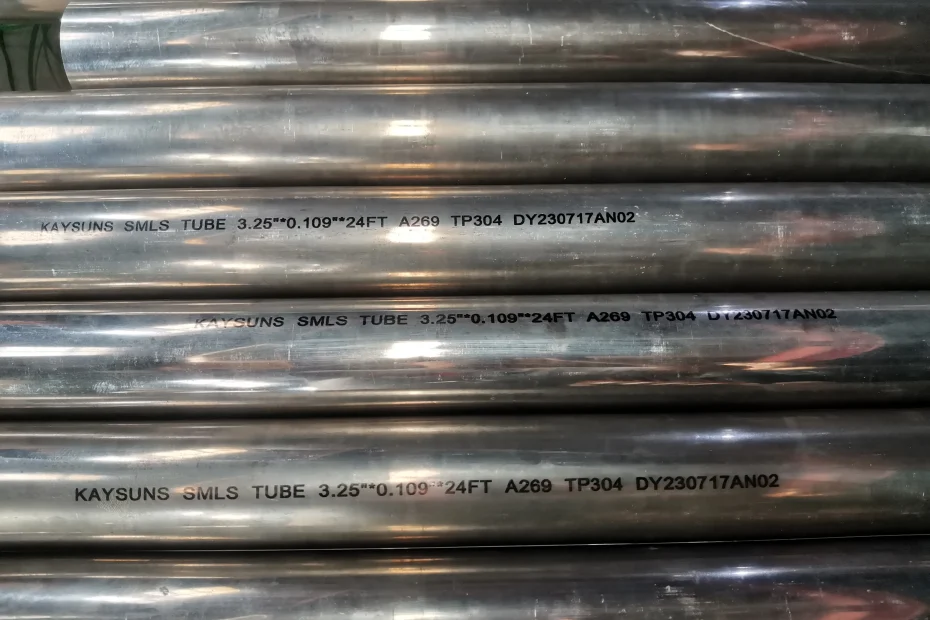
Wondering about a bright annealed vs electropolished pipe? Discover the differences,performance benefits,and applications in our 2026 guide.
SS VS MS: Which pipe is right for you?Compare cost,durability and corrosion resistance for pipes,flanges,and fittings in our 2026 guide.

A stainless steel hollow bar is a stainless steel bar with a hollow cross-section.The materials we use include 304/L, 316/L & duplex etc.
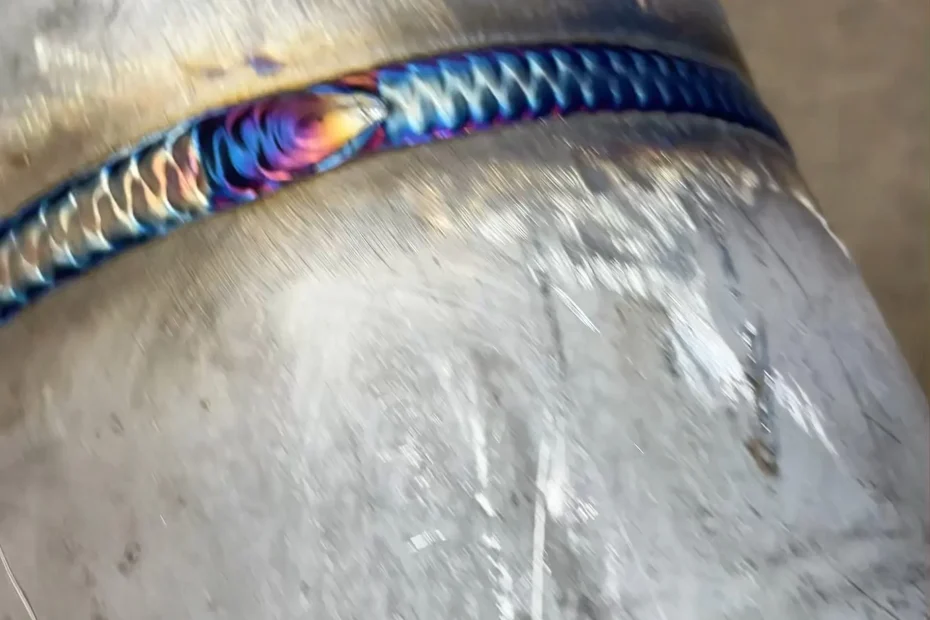
Common methods for welding stainless steel include TIG/GTAW, MIG/GMAW, SMAW, and Resistance Welding.TIG and MIG are the most commonly used.

Hot cracking,also known as solidification cracking,occurs during the cooling and solidification phase of the welding process.
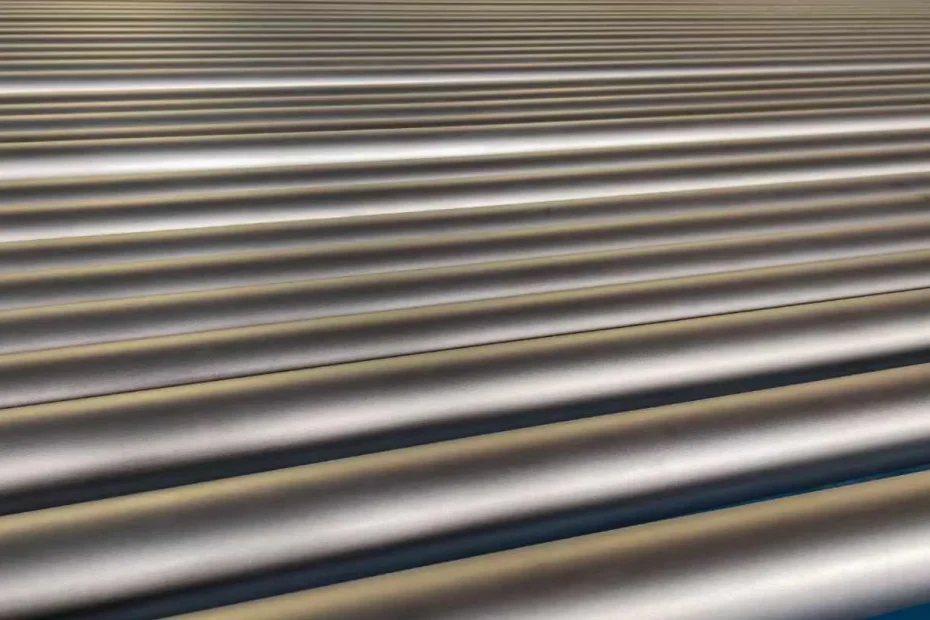
Incoloy is a trademarked family of high-performance nickel-iron-chromium superalloys.
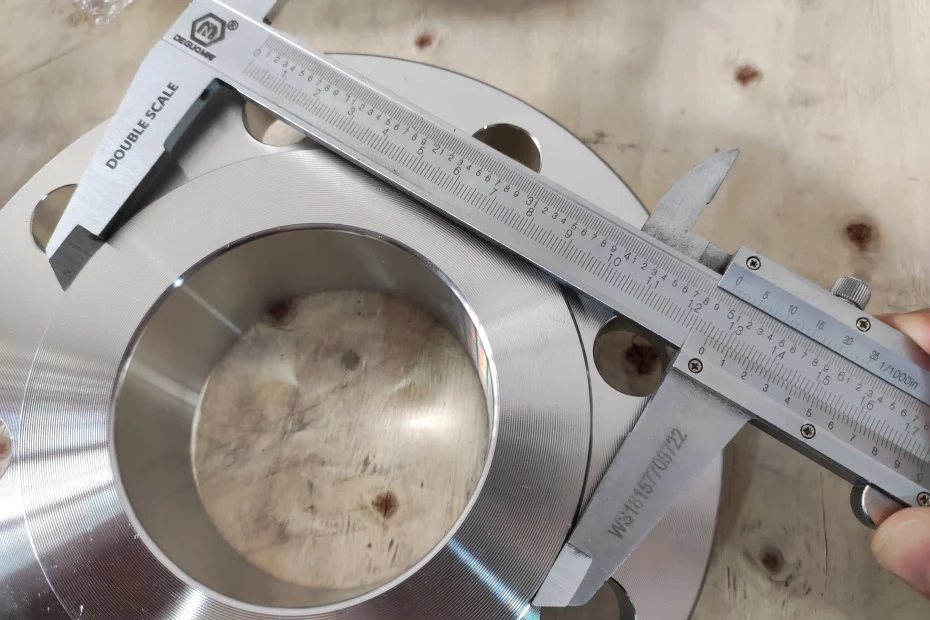
Use specialized tools such as calipers or tape measures to measure flange size to ensure accuracy.
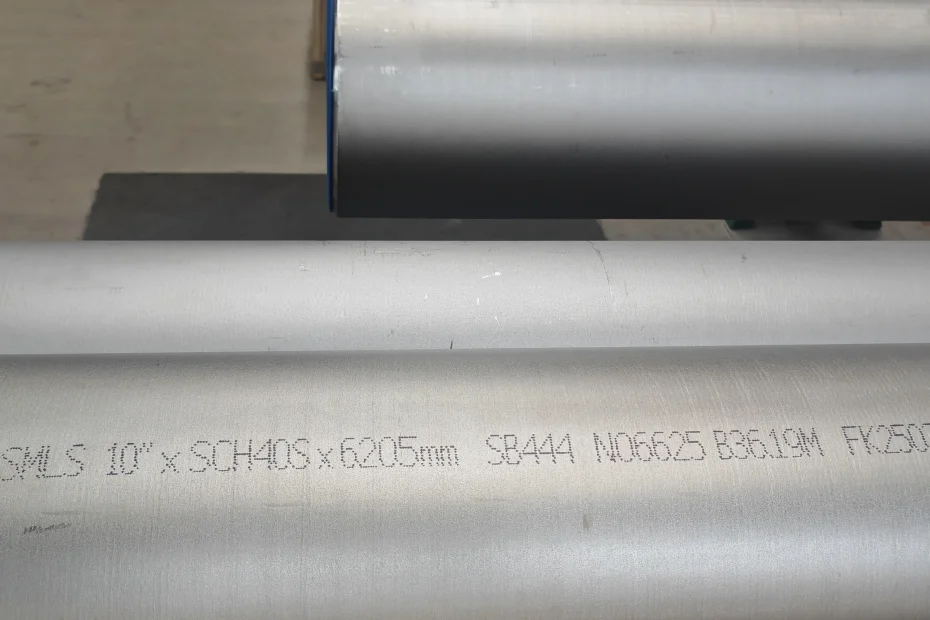
The primary difference between Inconel 625 and 718 lies in the fact that 625 offers superior corrosion resistance, while 718 provides higher strength and hardness, resulting in distinct application areas.