What is Eddy Current Testing and How it Works
Key Physics Parameters of Electromagnetic Probes
| Parameter | Operational Definition | Structural Impact on Testing |
|---|---|---|
| Frequency | Total cycles per second of alternating current | Alters electromagnetic penetration depth |
| Conductivity | Ability of material to conduct electrical current | Direct influence on eddy current strength |
| Permeability | Degree of magnetic magnetization of material | Affects depth of signal penetration |
Core Materials Evaluated by Eddy Current Testing
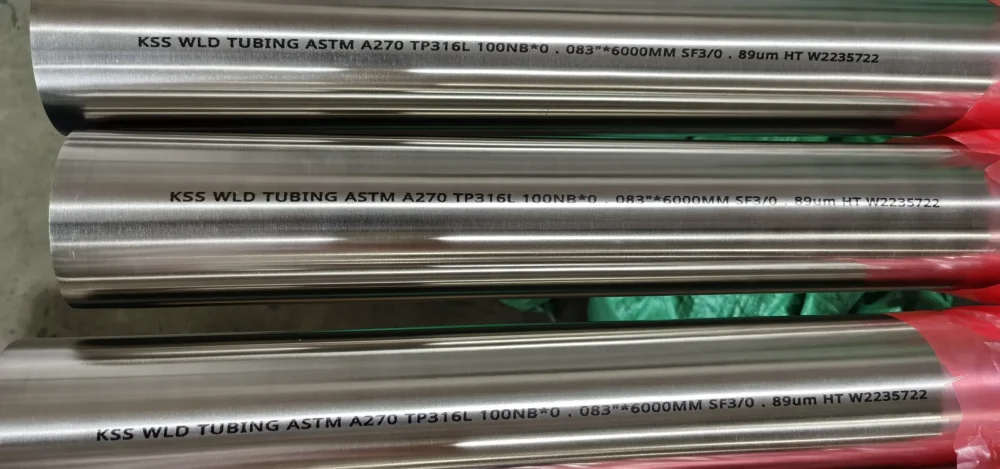
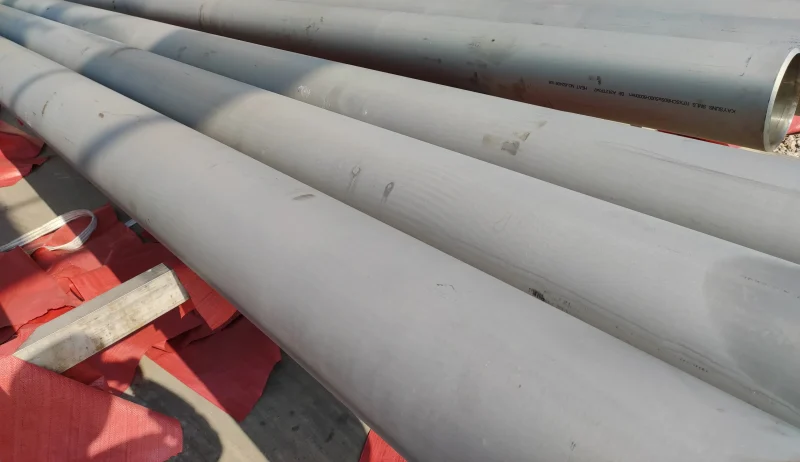
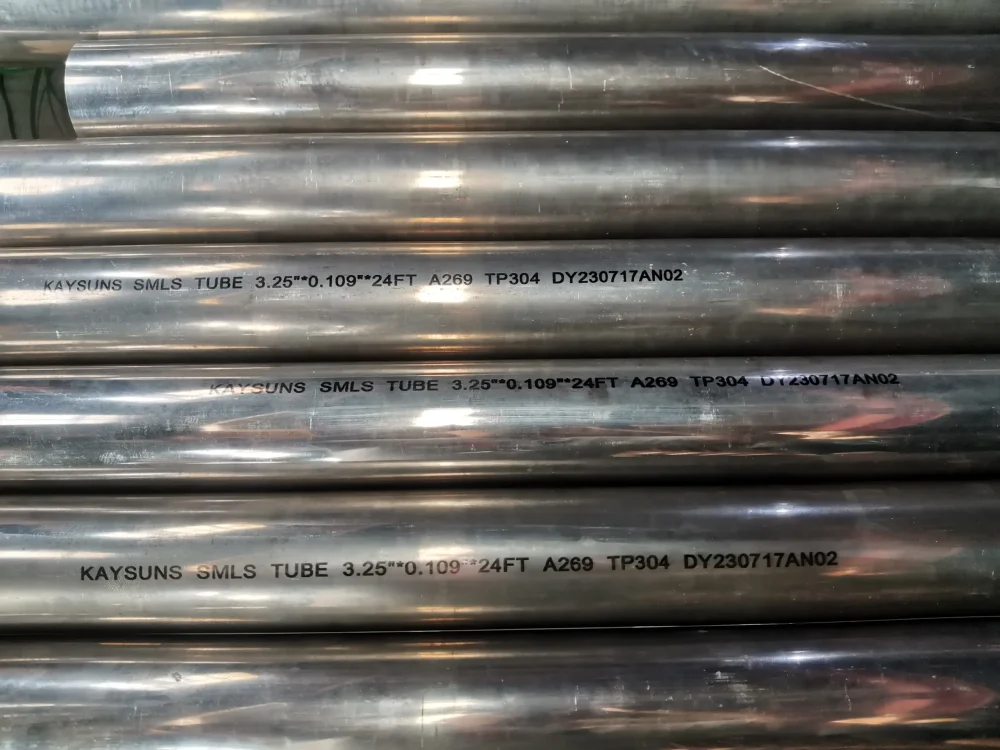
For example,inspectors utilize the process to scan a standard stainless steel pipe for micro-fissures.It detects tiny surface defects before they grow into major structural cracks.
Material Conductivity and Testing Suitability
| Material | Electrical Conductivity Rating | Recommended Testing Frequency |
|---|---|---|
| 304/304L Stainless Steel Pipe | Moderate Conductivity | High Frequency 100 kHz – 500 kHz |
| 316/316L Stainless Steel Pipe | Moderate Conductivity | High Frequency 100 kHz – 500 kHz |
| 2205 / 2507 Duplex Pipe | Lower Conductivity | Medium Frequency 50 kHz – 200 kHz |
| Standard Aluminum 6061-T6 | High Conductivity | Low Frequency 10 kHz – 50 kHz |
What We Do
- Plate
- Sheet
- Forgings
- Round Bar
- Flange
- Pipes
- Fittings
- Customized
Contact Us For More Information
What Structural Components Can You Inspect?
Continuous fluid processing lines suffer from internal erosion and external mechanical friction.Rotating internal tube probes scan long pipeline interiors rapidly.This method flags hidden wall thinning effortlessly.
Stainless steel pipe fittings like elbows and tees experience extreme fluid turbulence during high-pressure operations.Custom surface probes track complex geometric contours smoothly.This tracks localized erosion at structural bends.
Bolted joint sealing faces can develop subtle stress corrosion cracking over time.High-frequency manual probes scan the critical gasket seating groove area with extreme precision.Therefore,executing eddy current testing protects your critical joints from sudden pressurized leaks.
Pros and Cons of Eddy Current Testing
Advantages of Eddy Current Testing
This method delivers instantaneous defect data without processing delays.Technicians view the digital readout screen immediately.
The electromagnetic probe does not need to touch the bare metal directly.Inspectors perform testing through thin paint layers easily.You do not waste time scraping off protective pipe coatings.
The advanced sensors detect incredibly minuscule surface fissures easily.The system captures microscopic flaws before they trigger catastrophic piping failures.Thus,it protects your high-pressure lines effectively.
Modern inspection instruments are highly compact and lightweight.Technicians carry these battery-powered units up tall refinery scaffolding easily.Field testing becomes much more efficient.
Disadvantages of Eddy Current Testing
Standard electromagnetic signals cannot penetrate deeply into thick metal structures.The technology focuses almost exclusively on surface defects.You must use alternative NDT methods for deep volumetric scans.
This testing system requires electrically conductive metals to function.So,you cannot inspect plastic,glass,or composite piping materials.This limitation restricts its overall industrial utility.
Minor changes in the distance between the probe and metal alter signal outputs.We call this phenomenon the lift-off effect.Therefore,rough surface scales can cause misleading data readouts.
Interpreting complex impedance signals requires extensive professional training.Unqualified personnel can easily misinterpret normal material variations as structural cracks.Thus, you must hire expensive certified technicians.
Industrial Quality Standards and Compliance Strategy
International NDT Standards for Conductivity Testing
| Quality Standard Code | Certifying Organization | Primary Focus Area | Compliance Requirement |
|---|---|---|---|
| ASTM E309 | ASTM International | Ferromagnetic tubular products | Standardized calibration loops |
| ISO 15549 | ISO Organization | General NDT principles | Operator certification criteria |
| ASME Section V | ASME Body | Pressure vessel inspections | Mandatory written procedures |
Contact Us
- RM901 No.22 Tangjiaqiao Road Wenzhou China
- +86 577 8551 1171
- [email protected]
- https://www.kaysuns.com/