A seam welding process joins two pieces of metal continuously along a distinct line or seam.It uses electrical resistance to generate intense and highly focused heat.Heavy copper roller electrodes press the overlapping metal sheets together firmly.As the electric current passes through,the metal melts and fuses instantly.This specific action creates a highly durable,liquid-tight,and gas-tight seal.Industrial engineers use this exact method to produce high-quality stainless steel pipes.
How Does The Seam Welding Process Work?
The process uses two specialized,rotating copper alloy wheels.These heavy wheels act as both electrical electrodes and physical pressure rollers simultaneously.To execute seam welding perfectly,operators feed the metal sheets directly between these wheels.A powerful electrical current flows continuously through the overlapping metal sheets.The natural electrical resistance between the metal surfaces generates immense heat rapidly.This focused thermal energy melts the base metal internally immediately.Simultaneously,the wheels apply massive physical pressure to the heated joint.This precise combination of intense heat and pressure forges a perfect continuous bond.Internal water channels cool the wheels constantly to prevent dangerous equipment overheating.
Critical Equipment For Plant Operations
You need specialized industrial machinery to perform this joining task correctly.Every seam welding machine requires a massive rigid frame to handle extreme downward pressure.A heavy-duty electrical transformer generates the required high-amperage welding current consistently.Powerful pneumatic or hydraulic cylinders control the vital physical roller pressure.The copper alloy wheels require a dedicated internal water cooling system constantly.Precision motor drives control the exact rotational speed of the heavy copper wheels.Modern automated systems use advanced programmable logic controllers to monitor everything.These industrial computers adjust the electrical current and physical pressure in real-time automatically.
Different Variations Of The Seam Welding Process
Engineers adapt seam welding techniques for various specific manufacturing needs.You can categorize these distinct methods based strictly on the electrical current timing.The electrical timing directly dictates the final physical appearance of the joint.Some industrial applications require perfectly airtight seals for liquid chemicals.Other applications merely require basic structural strength to hold steel panels together safely.
Primary Welding Variations
| Method Type | How The Current Operates | Primary Industrial Application |
|---|---|---|
| Continuous | Electrical current flows constantly. | Liquid-tight steel pipes and fluid tanks. |
| Roll Spot | Electrical current pulses slowly. | Non-watertight automotive body panels. |
| Intermittent | Electrical current pulses rapidly. | Overlapping spots for strong gas-tight seals. |
What We Do
- Plate
- Sheet
- Forgings
- Round Bar
- Flange
- Pipes
- Fittings
- Customized
Contact Us For More Information
Ideal Metals For Industrial Production
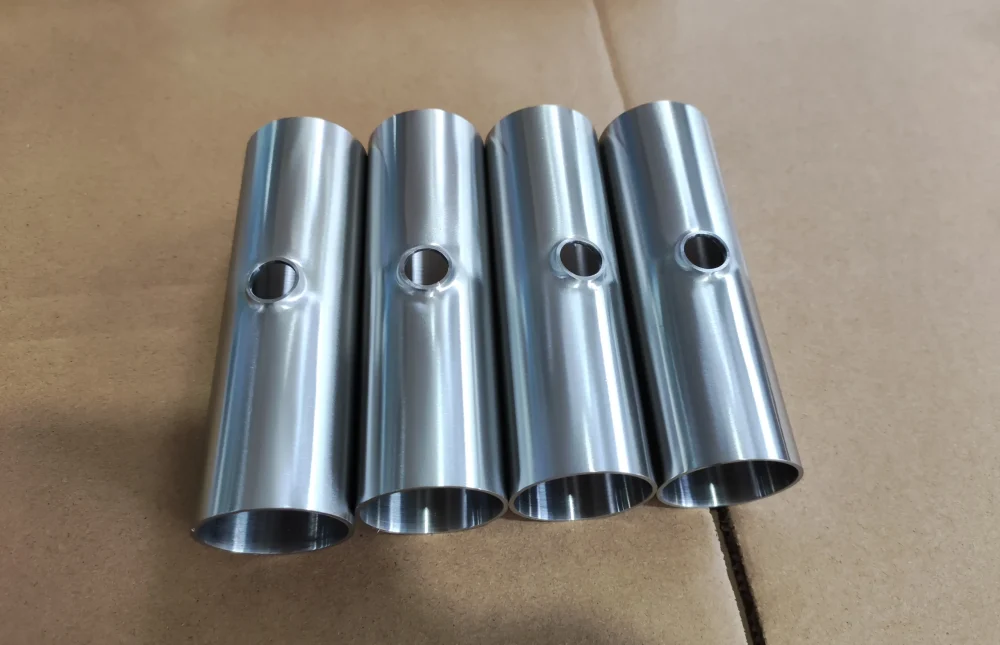
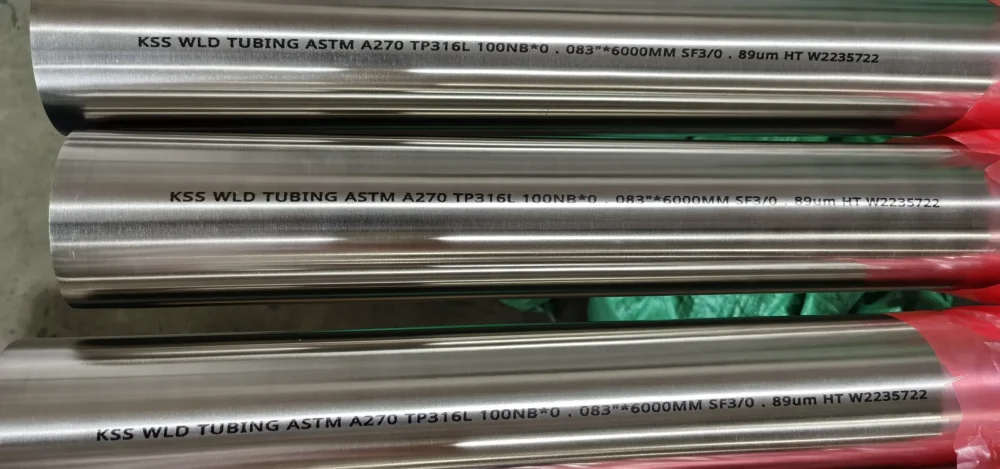
Not all metals react well to electrical resistance heating processes.You must choose your base materials very carefully before starting factory production.Stainless steel offers excellent electrical resistance naturally.Therefore,it absorbs the heat rapidly and welds beautifully.Many manufacturers use this process to fabricate stainless steel tubes daily.
Carbon steel also responds to seam welding extremely well under standard conditions.High-performance alloys like Inconel perform exceptionally well in these heavy machines too.However,materials with high electrical conductivity cause major production problems.Copper and aluminum dissipate the vital electrical current far too quickly.
Core Benefits Of Seam Welding Operations
Factory managers prefer this method for continuous,high-volume production runs.The highly automated nature of the rotating wheels speeds up manufacturing significantly.You do not need any expensive filler metals or protective shielding gases.This advantage eliminates costly consumable expenses completely from your daily operating budget.
Furthermore,the tightly overlapping weld spots create totally leak-proof joints reliably.This specific trait remains critical for producing automotive fuel tanks and liquid pipes.The process also leaves a very clean finish requiring minimal post-weld grinding.
Seam Welding:Pros & Cons
| Process Advantages | Process Disadvantages |
|---|---|
| Extremely fast automated production speeds. | Very high initial machinery purchase cost. |
| Creates perfect gas-tight and liquid-tight seals. | Limits welding to straight lines or uniform curves. |
| Requires absolutely no expensive filler materials. | Cannot weld very thick metal plates effectively. |
| Highly consistent structural joint quality. | Copper roller wheels require frequent daily maintenance. |
Quality Control And Defect Prevention
It is necessary to continuously monitor the machine parameters during factory production runs.Minor errors during seam welding cause severe structural defects very quickly.If you apply too much heat,the metal burns and weakens completely.If you apply too little pressure,the metal sheets fail to fuse correctly.
Technicians use strict ASTM quality control standards to prevent catastrophic plant failures.Routine maintenance of the copper wheel electrodes remains absolutely essential daily.You must dress or machine the wheels regularly to remove dangerous surface pitting.Proper mechanical maintenance ensures a consistent electrical contact patch for perfect joints.
Common Defects and Immediate Solutions
| Weld Defect | Primary Root Cause | Immediate Technical Solution |
|---|---|---|
| Burn Through | Excessive electrical current applied. | Reduce the machine amperage settings immediately. |
| Weak Joint | Insufficient downward roller pressure. | Increase the pneumatic cylinder air pressure. |
| Surface Pitting | Contaminated or deformed copper wheels. | Machine and clean the copper electrodes thoroughly. |
Seam Welding FAQs
You can typically join metal sheets ranging from 0.05mm to 3mm thick.Thicker steel plates require completely different joining methods like TIG or MIG.
Extreme electrical heat and physical pressure deform the soft copper alloys over time.You must implement a strict wheel dressing schedule to maintain perfect joint quality constantly.
Yes,but it requires highly precise current and pressure adjustments.You must carefully balance the different electrical resistance values of the two distinct metals.
Absolutely.Dirt,industrial oil,and heavy oxidation disrupt the electrical current flow completely.You must clean all metal surfaces thoroughly to ensure a perfect structural bond.
Contact Us
Get In Touch
- RM901 No.22 Tangjiaqiao Road Wenzhou China
- +86 577 8551 1171
- [email protected]
- https://www.kaysuns.com/
Find Us