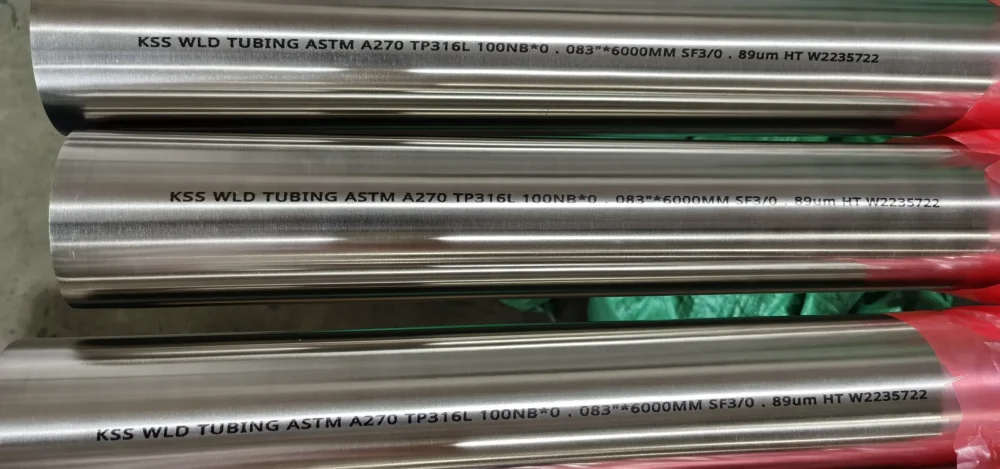
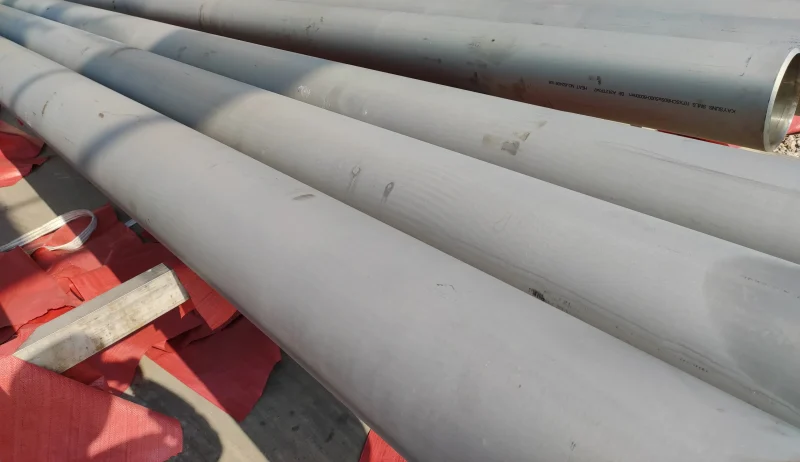
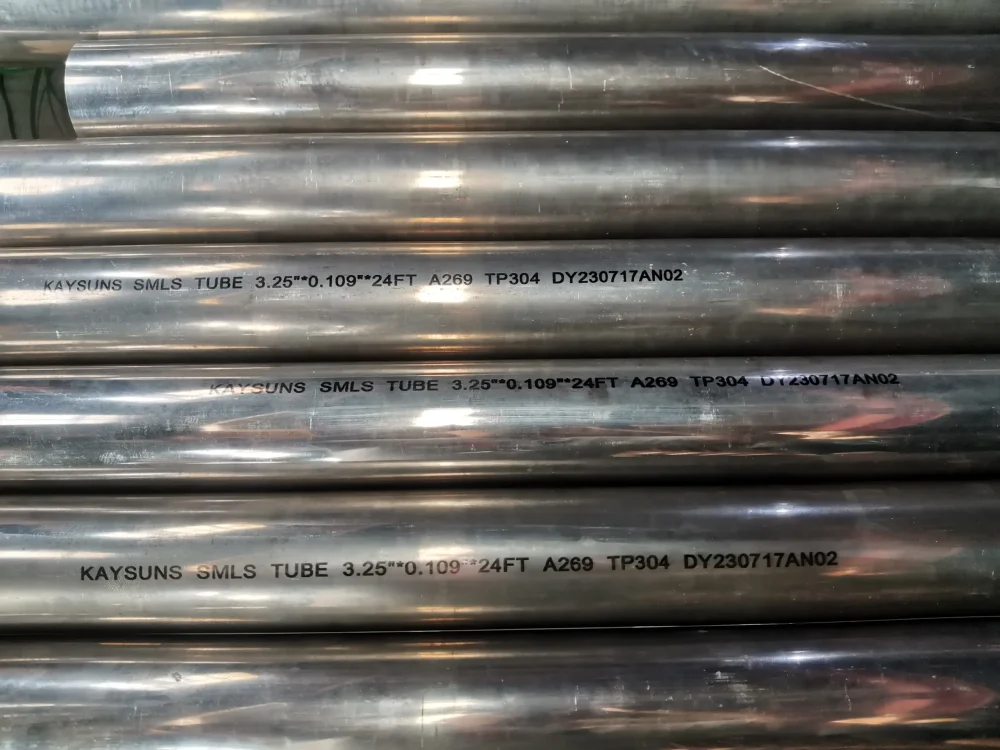
Elegir entre SS frente a MS,¿Qué tubería se adapta a su proyecto de 2026? Tanto el acero inoxidable (SS) como el acero dulce (MS) ofrecen ventajas mecánicas únicas para diferentes aplicaciones. Elegir el material equivocado puede provocar un fallo catastrófico del sistema o pérdidas económicas enormes. Por lo tanto, debe evaluar cuidadosamente las condiciones ambientales y las propiedades químicas de los fluidos de su proyecto.Esta guía exhaustiva compara estos dos materiales en tuberías, accesorios y bridas. Le ofrecemos un conjunto de soluciones profesionales para ayudarle a optimizar su infraestructura de tuberías de cara a 2026.
SS frente a MS: las diferencias fundamentales
La principal diferencia entre el acero inoxidable y el acero dulce radica en su composición química y su resistencia a la corrosión. El acero inoxidable contiene al menos un 10,5% de cromo, lo que crea una capa protectora de óxido en la superficie. Por el contrario, el acero dulce tiene un alto contenido en carbono, pero carece de estos elementos de aleación protectores.
El acero dulce se oxida rápidamente al entrar en contacto con la humedad o el oxígeno. Sin embargo, el acero dulce ofrece una excelente soldabilidad y unos costes iniciales de adquisición considerablemente más bajos para proyectos a gran escala. Por ello, algunos clientes suelen optar por el acero dulce para entornos no corrosivos, como las estructuras de interiores.
Qué hacemos
- Plato
- Hoja
- Piezas forjadas
- Barra redonda
- Brida
- Tuberías
- Accesorios
- Personalizado
Más información
Acero inoxidable frente a acero al carbono: resistencia mecánica
El acero dulce suele ser más maleable, lo que hace que sea muy fácil de doblar y moldear.Esta flexibilidad resulta ideal para diseños estructurales complejos en los que se requiere una alta resistencia a los impactos. Por su parte, el acero inoxidable es mucho más duro y ofrece una resistencia a la tracción superior a temperaturas extremas. Por lo tanto, las tuberías de acero inoxidable ofrecen un mejor rendimiento en sistemas de vapor a alta presión y en plantas de procesamiento químico. La elección dependerá de las tensiones físicas específicas de su entorno operativo.
Acero inoxidable frente a acero al carbono: resistencia mecánica
| Inmueble evaluado | Acero inoxidable | Acero dulce | Repercusión industrial |
|---|---|---|---|
| Resistencia a la corrosión | Extremadamente alto | Muy bajo | El SS dura más en zonas húmedas. |
| Fuerza de Tensión | Alta | Moderado | El acero inoxidable soporta presiones más altas. |
| Soldabilidad | Requiere un alto nivel de competencia | Extremadamente fácil | El MS reduce los costes laborales. |
| Acabado superficial | Brillo y limpieza naturales | Rugoso/Necesita recubrimiento | El SS es mejor para alimentos y productos médicos. |
Selección de accesorios y bridas: ¿deben coincidir?
Un error habitual en el debate entre el acero inoxidable y el acero al carbono consiste en mezclar diferentes materiales en un mismo sistema. Lo ideal es que las tuberías, los accesorios y las bridas sean siempre del mismo tipo de material. Por ejemplo, si utilizas un Tubo de acero inoxidable 316L,deberías utilizar Bridas de acero inoxidable 316L.La combinación de acero inoxidable con acero dulce da lugar a un “par galvánico” en presencia de humedad. Esta reacción eléctrica provoca que el acero dulce se corroa a un ritmo acelerado. En consecuencia, las uniones fallarán mucho antes que el resto del sistema de tuberías.
Sin embargo, en algunos proyectos en los que se busca ahorrar costes se utilizan bridas de acero dulce con un “extremo ciego” de acero inoxidable. Este método ofrece la resistencia de una brida de acero junto con la resistencia a la corrosión de un revestimiento de acero inoxidable. De este modo, se ahorra dinero en aleaciones costosas al tiempo que se mantiene la pureza del fluido en el interior de la tubería. Asegúrese siempre de que las juntas sean compatibles con ambos metales para evitar la degradación química en el punto de sellado.
Guía de compatibilidad de tuberías y componentes
| Material de las tuberías | Montaje recomendado | Brida recomendada | Lógica de compatibilidad |
|---|---|---|---|
| Acero inoxidable 304L | Acero inoxidable 304L | Evita la corrosión galvánica. | |
| Acero inoxidable 316L | Acero inoxidable 316L | Imprescindible para las zonas marinas. | |
| ASTM A106 MS | A105, acero al carbono | Norma para el petróleo y el gas. | |
| Chapa galvanizada | Hierro maleable | Acero galvanizado | Apto para la protección contra incendios. |
Acero esferoidal frente a acero de alta resistencia: análisis de costes y beneficios (2026)
El precio por metro del acero inoxidable puede ser entre cuatro y cinco veces superior al del acero dulce. Sin embargo, hay que tener en cuenta el “coste total de propiedad” (TCO) a lo largo de un periodo de 20 años.El acero dulce requiere recubrimientos externos costosos, como la pintura o el galvanizado en caliente, para evitar la corrosión. Además, estos recubrimientos exigen un mantenimiento periódico y deben renovarse cada pocos años. En consecuencia, los costes de mantenimiento a largo plazo del acero dulce suelen superar el precio del acero inoxidable.
En los entornos costeros, la niebla salina supone una grave amenaza tanto para el acero inoxidable como para el acero dulce. El acero dulce puede presentar problemas en cuestión de meses, mientras que el acero inoxidable de menor calidad también puede desarrollar manchas de óxido similares a las “manchas de té”. Por lo tanto, es recomendable utilizar acero inoxidable 316L de alta calidad o tubería de acero inoxidable dúplex Es la única forma de evitar tener que cambiarlo con frecuencia.
SS VS MS: Forma y figura
Ambos materiales están disponibles en perfiles redondos, cuadrados y rectangulares para satisfacer diversas necesidades industriales. Los tubos redondos son el estándar para el transporte de fluidos y gases a alta presión. Los tubos cuadrados y rectangulares son la opción preferida para soportes estructurales y estructuras arquitectónicas.
Ten en cuenta los requisitos de limpieza interna de tus instalaciones. Los tubos cuadrados de acero inoxidable son mucho más fáciles de desinfectar para la producción alimentaria o los laboratorios farmacéuticos. Por su parte, los tubos cuadrados de acero dulce son perfectos para construir la estructura oculta de una fábrica.
Casos de aplicación según el material
| Sector industrial | Opción recomendada | Motivo principal | Accesorio esencial |
|---|---|---|---|
| Alimentos y bebidas | Acero inoxidable | Higiene y desinfección | Racores Tri-clamp sanitarios. |
| Petróleo y gas | Acero dulce | Rentabilidad | Bridas A105 de alta resistencia. |
| Marina/Offshore | Acero inoxidable 316L | Protección contra el agua salada | Elementos de fijación recubiertos de PTFE. |
| Climatización de interiores | Acero dulce | Bajo riesgo de corrosión | Acoplamientos de ranura Victaulic. |
Superar los inconvenientes de ambos materiales
Todos los materiales tienen sus limitaciones, y el acero inoxidable y el acero dulce no son una excepción.
Para proteger el acero dulce, se debe aplicar un recubrimiento epoxi de alta calidad o un galvanizado por inmersión en caliente. Esta barrera física impide que la humedad llegue a los átomos de hierro.
Para proteger el acero inoxidable, es necesario realizar un tratamiento de “pasivación” tras cualquier operación de soldadura o corte. La pasivación elimina el hierro de la superficie y refuerza la capa de óxido de cromo. Por lo tanto, tus tubos de acero inoxidable mantendrán su brillo y no se oxidarán, incluso en condiciones adversas.
Para proteger el acero dulce, se debe aplicar un recubrimiento epoxi de alta calidad o un galvanizado por inmersión en caliente. Esta barrera física impide que la humedad llegue a los átomos de hierro.
Para proteger el acero inoxidable, es necesario realizar un tratamiento de “pasivación” tras cualquier operación de soldadura o corte. La pasivación elimina el hierro de la superficie y refuerza la capa de óxido de cromo. Por lo tanto, tus tubos de acero inoxidable mantendrán su brillo y no se oxidarán, incluso en condiciones adversas.
Ponte en contacto con nosotros para obtener soluciones especializadas en tuberías
¿Necesitas ayuda para calcular el coste total del ciclo de vida de tu próximo gran proyecto de instalación? Nuestro equipo de ingeniería está especializado en ofrecer soluciones de tuberías de acero inoxidable a clientes de todo el mundo. Para proyectos industriales complejos, ofrecemos certificados de ensayo de materiales (MTC) exhaustivos y asesoramiento especializado. Disponemos de una amplia gama de bridas y accesorios para satisfacer los requisitos de los distintos grados de tuberías.
Ponte en contacto con nosotros hoy mismo para recibir asesoramiento de expertos y un presupuesto muy competitivo para tu proyecto.
Contacto
Póngase en contacto con nosotros
- RM901 No.22 Tangjiaqiao Road Wenzhou China
- +86 577 8551 1171
- [email protected]
- https://www.kaysuns.com/
Encuéntranos