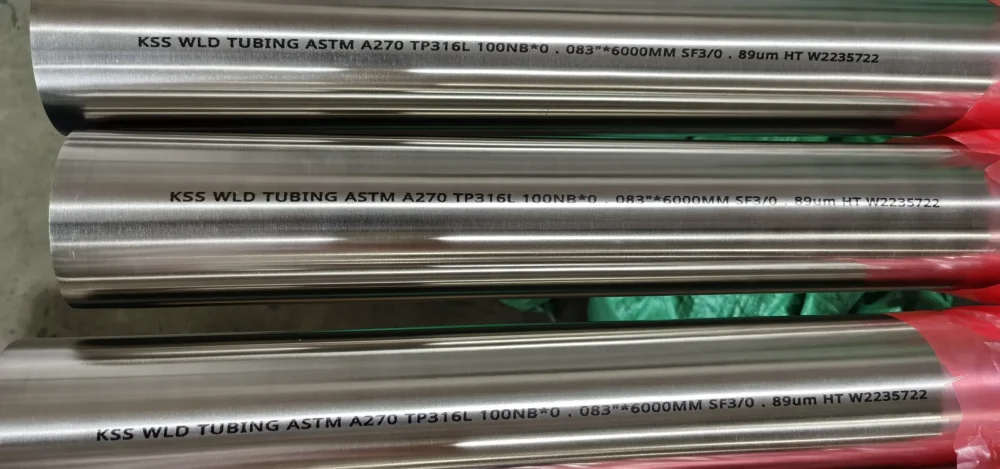
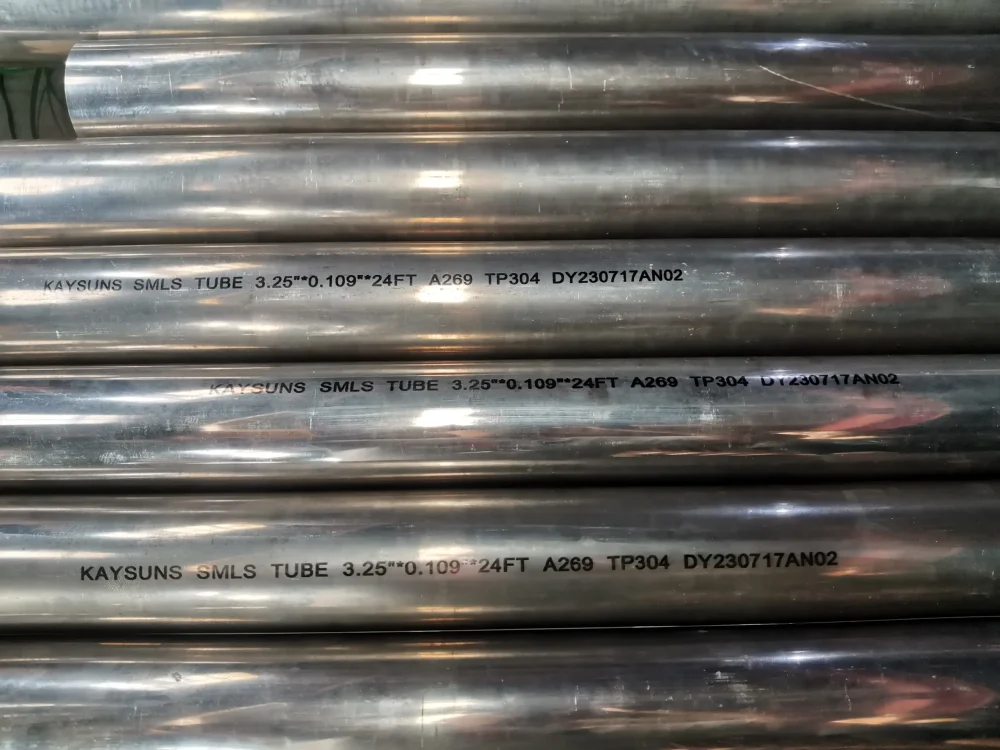
Resistencia a la corrosión La resistencia a la corrosión del acero inoxidable es una de sus características fundamentales. tubos de acero inoxidable y accesorios permite su aplicación en la mayoría de los casos. Es precisamente esta propiedad la que hace que el material sea indispensable en innumerables aplicaciones industriales y de consumo.
¿Se oxida el acero inoxidable? Para conseguir y mantener esta resistencia a la corrosión es necesario conocer a fondo la composición química de la aleación y el entorno de trabajo.
El mecanismo detrás de la resistencia a la corrosión
Las excepcionales propiedades del acero inoxidable se deben a un fenómeno natural conocido como pasivación. Este mecanismo implica una reacción química entre el cromo y el oxígeno.
- El papel del cromo:
El acero inoxidable contiene un mínimo de 10,5% de cromo. - Formación pasiva de película:
Cuando el cromo se expone al aire o al agua, forma instantáneamente una capa fina y transparente de óxido de cromo (Cr2O3). - Autocuración:
Esta película protectora es no porosa y muy estable. Si la superficie se raya, la película se regenera inmediatamente, siempre que haya oxígeno disponible. Esta capacidad de autorreparación confiere al material su calidad inoxidable.
Qué hacemos
- Plato
- Hoja
- Piezas forjadas
- Barra redonda
- Brida
- Tuberías
- Accesorios
- Personalizado
Más información
Factores que comprometen la resistencia a la corrosión
Aunque el acero inoxidable es muy resistente, no es inmune a todo tipo de agresiones. Ciertas condiciones pueden romper la capa pasiva, provocando corrosión localizada. Los ingenieros deben reconocer estas amenazas para evitar fallos.
Los altos niveles de iones cloruro, comunes en el agua salada o la lejía, son altamente destructivos. Los cloruros rompen químicamente la película pasiva localmente, lo que conduce directamente a la corrosión por picaduras y grietas.
Las zonas estancadas (como juntas o uniones atornilladas) impiden el acceso del oxígeno a la superficie. En condiciones de falta de oxígeno, la película de pasivación no puede autorrepararse, lo que acelera la corrosión localizada en estas zonas.
Las temperaturas elevadas aumentan la velocidad de las reacciones químicas. Superar la temperatura crítica de picado (CPT) del material aumenta significativamente su vulnerabilidad.
Las partículas de acero al carbono o de hierro incrustadas procedentes de las herramientas de corte pueden transferirse a la superficie inoxidable.Estas partículas se oxidan con facilidad.Este proceso consume el oxígeno local,provocando el fallo de la capa pasiva subyacente.
Mejora de la resistencia a la corrosión mediante la selección del grado
La selección de materiales es el paso más importante para garantizar un rendimiento a largo plazo. Se añaden elementos de aleación específicos para adaptar el acero a condiciones extremas.
- Molibdeno (Mo):
La adición de molibdeno mejora drásticamente la resistencia a la corrosión por picaduras y grietas, especialmente en entornos con cloruros. El grado 316, que contiene molibdeno, es muy superior al 304 en entornos marinos o químicos. - Níquel (Ni):
El níquel estabiliza la estructura austenítica, lo que aumenta la tenacidad y la resistencia general al agrietamiento por corrosión bajo tensión. - Nitrógeno (N):
El nitrógeno aumenta la resistencia y mejora aún más la resistencia a las picaduras. Este elemento es esencial en los aceros inoxidables dúplex de alto rendimiento.
El papel de PREN en la predicción del rendimiento
El número equivalente de resistencia a las picaduras (PREN) es una herramienta ampliamente aceptada que permite a los ingenieros predecir la resistencia relativa de diferentes tipos de acero inoxidable a los ataques localizados.
PREN = %Cr + 3,3(%Mo) + 16(%N)
Un valor PREN más alto indica una mayor resistencia a la corrosión. Por ejemplo, el 316L estándar tiene un PREN de aproximadamente 25. Súper Dúplex 2507 a menudo supera los 40. Esto significa que se requiere Super Duplex para aplicaciones agresivas en alta mar o de procesamiento químico.
Mejores prácticas de fabricación y mantenimiento
La calidad de la fabricación influye directamente en la resistencia final a la corrosión del componente. Nuestra experiencia operativa demuestra que estos pasos son fundamentales:
- Segregación estricta:
Asegúrese de guardar las herramientas de acero inoxidable separadas de las herramientas de acero al carbono para evitar la contaminación de la superficie. - Decapado y pasivación:
El tratamiento químico (decapado) elimina la capa dañada y la pasivación reconstruye completamente la capa pasiva. - Limpieza regular:
La limpieza regular de la superficie elimina los depósitos corrosivos, como la sal y la suciedad, evitando así la acumulación localizada de sustancias químicas que podrían comprometer la capa de pasivación.
Resistencia a la corrosión en los grados comunes de acero inoxidable
| Grado (ASTM) | Aleaciones clave | Valor PREN (típico) | Solicitud principal |
|---|---|---|---|
| 304/304L | Cr, Ni | 18 | Industria general, Procesamiento de alimentos |
| 316/316L | Cr, Ni, Mo | 25 | Marina ligera, Procesamiento químico |
| 2205 (Dúplex) | Cr, Ni, Mo, N | 35 | Tuberías de alta resistencia, resistencia a la corrosión bajo tensión |
| 2507 (Superdúplex) | Alto contenido en Cr, Mo, N | 42 | Plataformas marítimas, plantas desalinizadoras |
Métodos para evaluar la resistencia a la corrosión
| Método de ensayo (ASTM) | Propósito | Fallo del material indicado |
|---|---|---|
| G48 | Medidas Resistencia a las picaduras y a las grietas | Pérdida de peso, densidad de los hoyos |
| A262 Práctica E | Corrosión intergranular (ensayo de soldadura) | Sensibilización (agotamiento del cromo) |
| G39 | Agrietamiento por corrosión bajo tensión (SCC) | Tiempo de fractura bajo tensión |
Contacto
- RM901 No.22 Tangjiaqiao Road Wenzhou China
- +86 577 8551 1171
- [email protected]
- https://www.kaysuns.com/