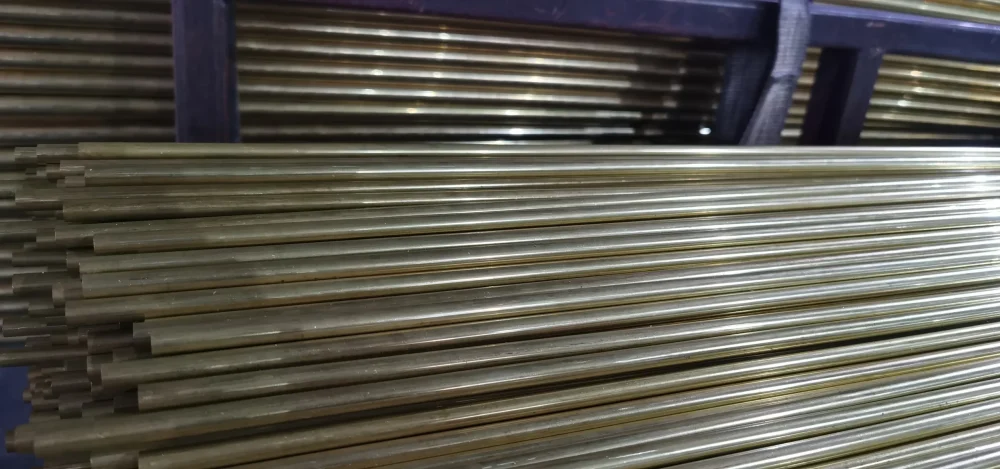
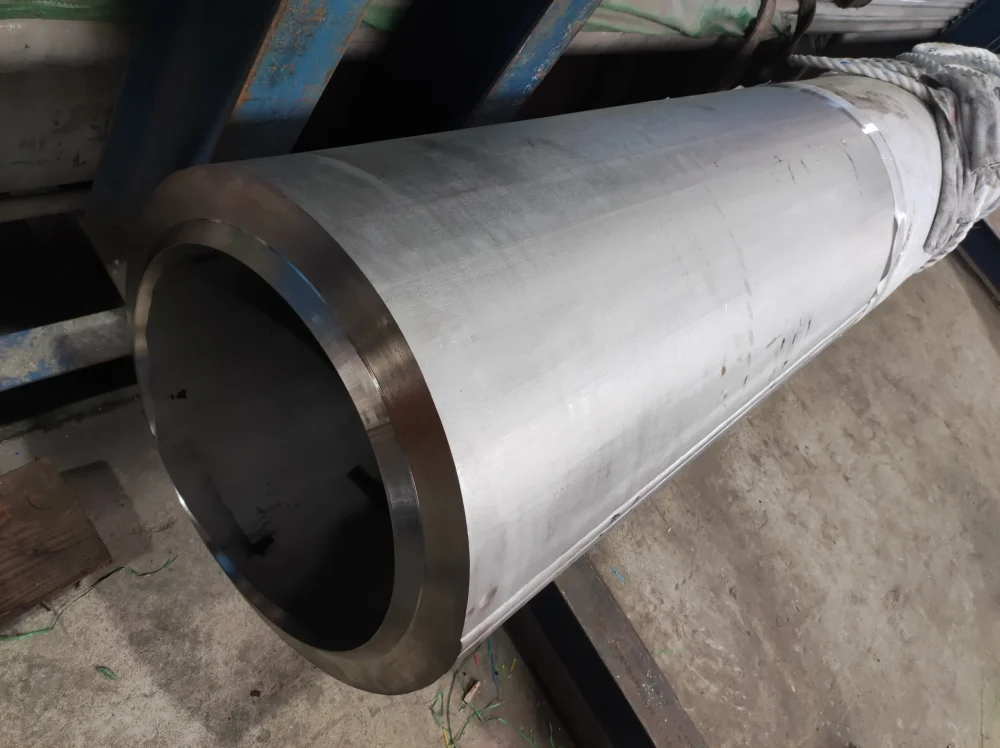
Super Duplex Issues often arise during the fabrication and installation of high-performance piping systems.While super duplex stainless steel (like Grade 2507) offers incredible strength,it is a sensitive material.We use it for pipes and pipe fittings in extreme environments.However,the complexity of its dual-phase structure makes it prone to specific technical failures.
The Challenge of Phase Imbalance
During welding,the metal experiences rapid temperature changes.
If the cooling rate is too slow,brittle intermetallic phases like Sigma (σ) phase will precipitate.This makes the components extremely brittle.
Conversely,if the cooling is too fast,the material becomes too ferritic.This imbalance reduces the metal’s ability to resist sulfide stress cracking.
To address this issue,Kaysuns welders must strictly control heat input (0.5–1.5 kJ/mm) and continuously monitor interpass temperature.
What We Do
- Plate
- Sheet
- Forgings
- Round Bar
- Flange
- Pipes
- Fittings
- Customized
Contact Us For More Information
Corrosion Risks from Surface Contamination
Even though Super Duplex is a high-grade corrosion resistant alloy,surface defects can lead to rapid failure.Many field problems stem from improper handling during the installation of pipes and flanges.
- Iron Contamination:
Using carbon steel tools will leave iron particles on the surface.Over time,these particles will rust and damage the surface passivation layer. - Weld Root Oxidation:
Without proper backing gas (usually 99.99% Argon),the weld root will “sugar” or oxidize.The oxidized area becomes a trigger for pitting corrosion. - Solution:
Be sure to use dedicated stainless steel tools.Additionally,a complete “pickling and passivation” treatment must be performed after welding to restore the protective chromium oxide layer.
Risks During Flange and Valve Installation
- Seizing and Galling:
Super duplex stainless steel fasteners are highly prone to seizing (cold welding) during tightening.If threads become seized,the required gasket compression force cannot be achieved. - Improper Bolt Torque:
Due to the material’s high strength,technicians often apply excessive torque to prevent leakage.This excessive stress can cause bolt fatigue failure and even flange face deformation. - Sealing Surface Damage:
Super duplex steel valves are typically used for conveying high-pressure,highly abrasive fluids.Any slight misalignment during installation may cause “scratching” or corrosion on the seal seat,leading to internal leakage.
To mitigate these risks,all threaded fasteners should be treated with high-quality anti-seize lubricant.
Additionally,installers must adhere to a controlled multi-stage tightening sequence (such as the star pattern method) and use calibrated torque wrenches to ensure uniform force application.
Temperature Sensitivity and Thermal Degradation
Do not overlook the “service temperature limit” of the alloy.Typically,the safe upper limit for continuous use of suplex stainless steel is 250°C (482°F).The operating temperature range for super duplex steel is significantly narrower than that of standard austenitic stainless steels like 316L.
Prolonged exposure to temperatures between 300℃ and 500℃(572℉ and 932℉) causes severe thermal degradation.This is often called “475℃(887℉) embrittlement”.It turns a high-strength pipe into a fragile component that can shatter under pressure.Therefore, in high-temperature operating conditions, super duplex materials prone to issues must never be used.
Technical Comparison of Super Duplex vs. Standard Materials
| Property | Super Duplex (2507 / 1.4410) | Standard Duplex (2205) | Austenitic (316L) |
|---|---|---|---|
| Yield Strength | ≥ 550 Mpa | ≥ 450 Mpa | ≥ 170 Mpa |
| PREN (Corrosion Index) | ≥ 40 | ~ 35 | ~ 24 |
| Fabrication Difficulty | Very High | Moderate | Low |
| Welding Sensitivity | High | Moderate | Low |
| Max Service Temp | 250 ℃ (482 °F) | 280 ℃ (536 °F) | 600 ℃ (1112 °F) + |
Troubleshooting Common Super Duplex Issues
| Observed Problem | Possible Root Cause | Recommended Solution |
|---|---|---|
| Cracking at Weld Toe | High residual stress or Sigma phase | Solution annealing and stress relief |
| Rapid Pitting in Seawater | Low PREN in weld or contamination | Check filler metal and passivate surface |
| Sudden Brittle Fracture | Thermal Degradation | Replace component;lower service temp |
| Leaking Flange Face | Galling or improper bolt torque | Use lubricants;follow ASME PCC-1 torque |
| Thread Seizing | Material galling | Use molybdenum disulfide lubricant |
Avoiding Stress Concentrations in Pipe Fittings
Mechanical stress accelerates chemical damage.Stress corrosion cracking often concentrates in areas with abrupt geometric changes.For this reason,stainless steel pipe fittings such as elbows and tees must feature smooth transitions.
Managing super duplex steel issues requires specialized closed-loop solutions.
First,select premium 1.4410 raw materials.
Second,the manufacturing team must strictly adhere to welding procedures to maintain a 50/50 phase balance.Kaysuns has over a decade of relevant experience in this area and looks forward to your contact at any time.
Finally,maintenance teams must comply with the alloy’s temperature limitations.
Address these practical challenges with expert-level solutions.
Contact Us
- RM901 No.22 Tangjiaqiao Road Wenzhou China
- +86 577 8551 1171
- [email protected]
- https://www.kaysuns.com/