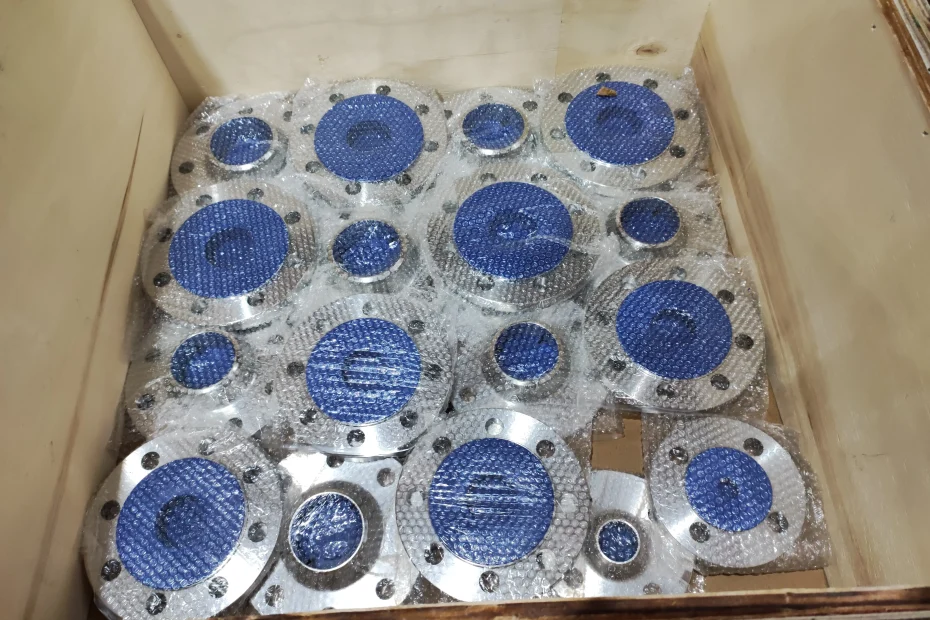
What is A Flange Joint ?
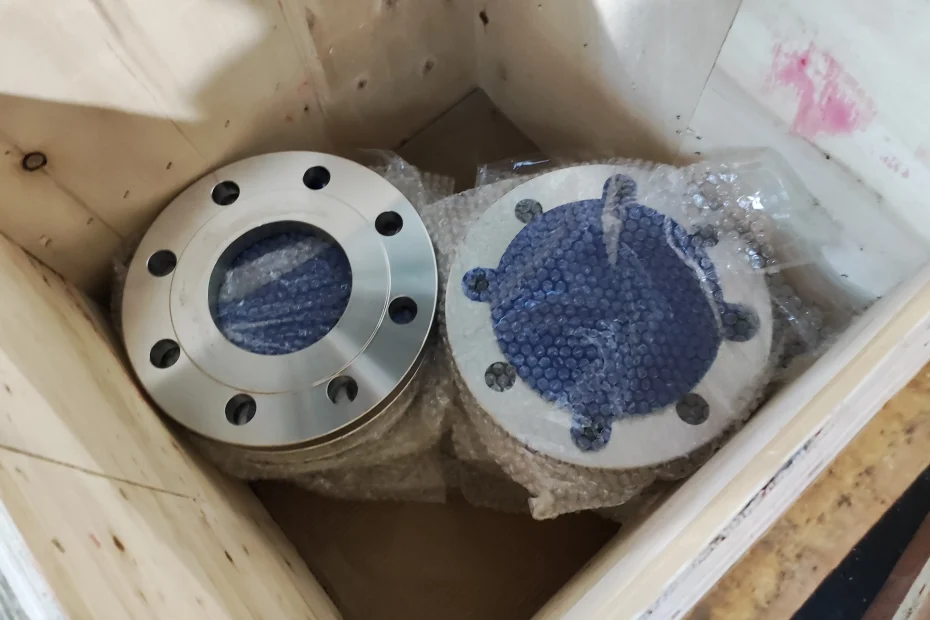
A flange joint is a critical connection method used to join pipes,valves,pumps and other equipment to form a piping system.
A flange joint is a critical connection method used to join pipes,valves,pumps and other equipment to form a piping system.

ASME PCC-1 provides standard guidelines for assembling bolted flange joints in pressure systems.It ensures leak-free connections during initial startup and long-term operation.
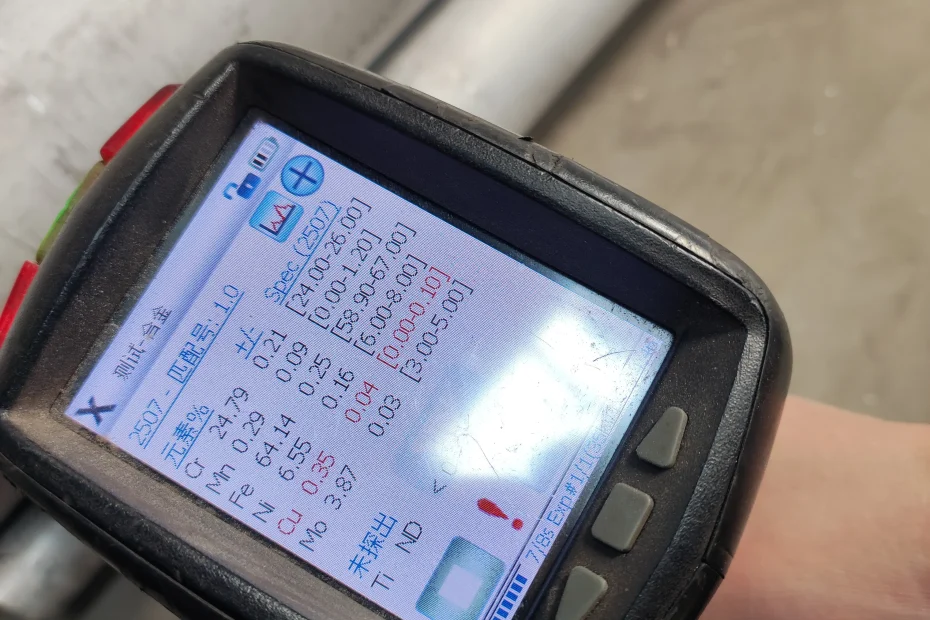
Common super duplex issues during use include:phase imbalance during welding,surface contamination and disregard for the alloy’s temperature usage limits.
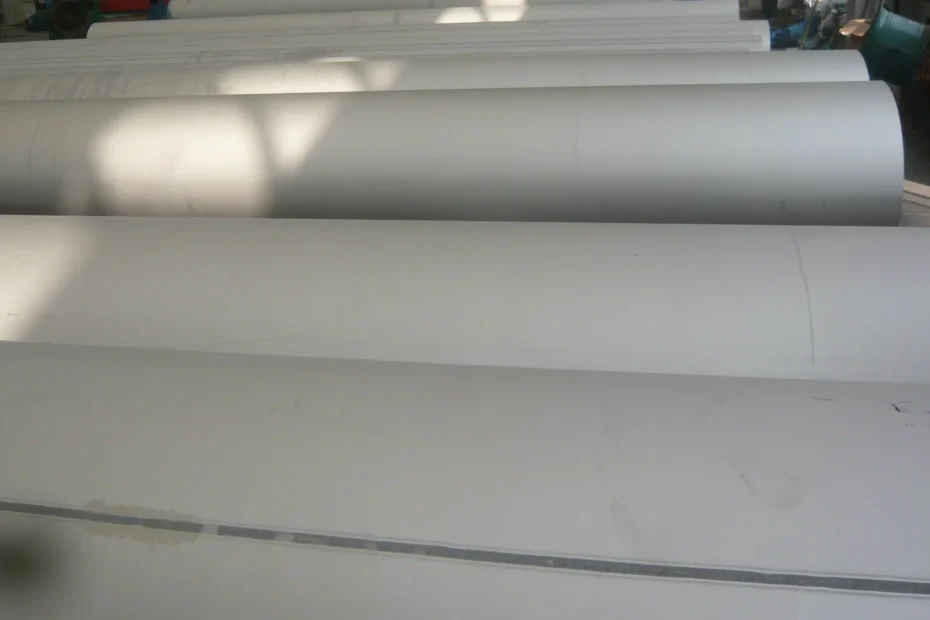
The passive layer is a microscopic,self-healing shield that protects stainless steel from rust and environmental decay.
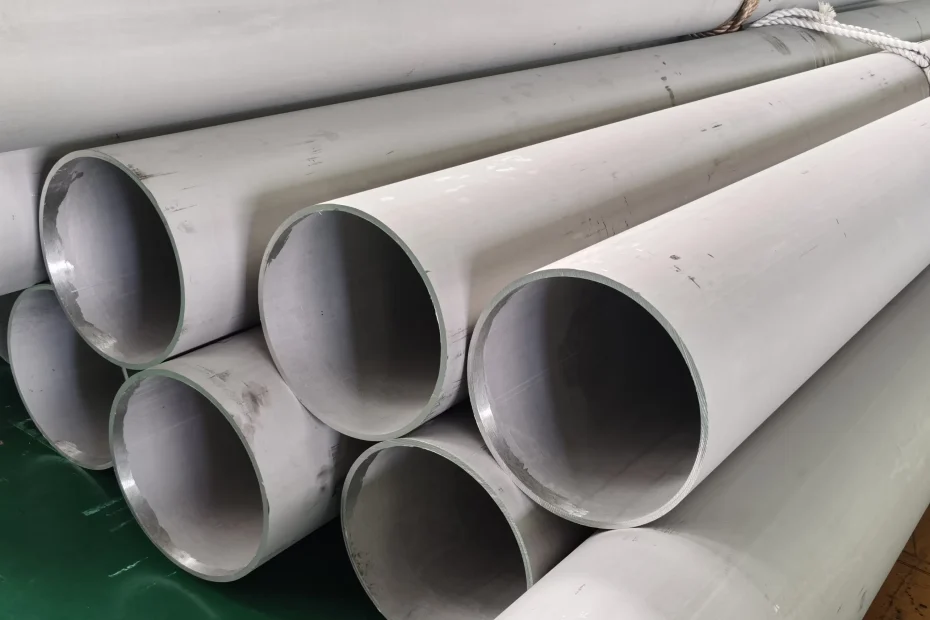
NACE MR0175 sets core standards for metals exposed to sulfide environments.Ensuring personnel safety and protecting the environment.
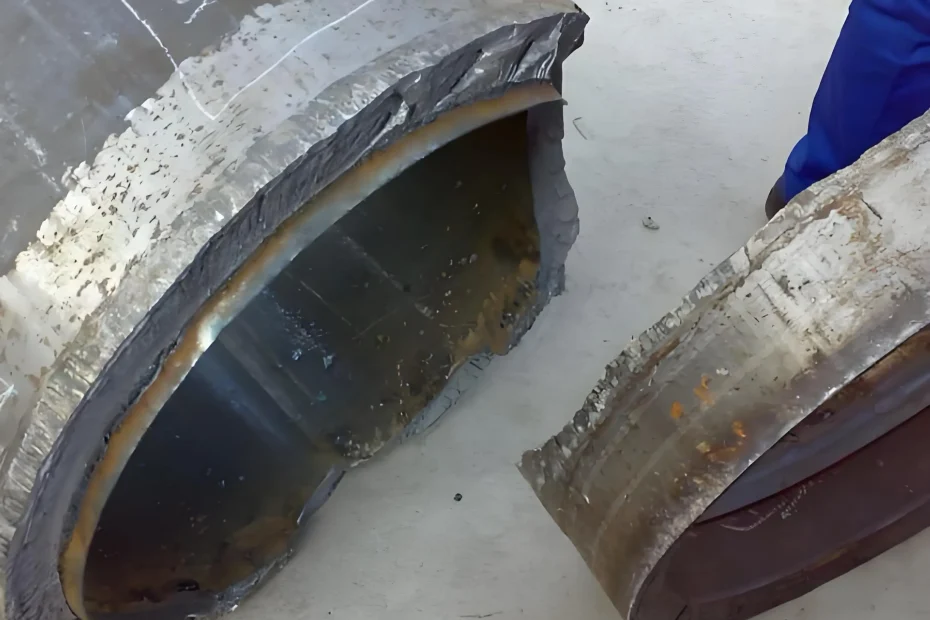
Sulfide stress cracking represents a catastrophic failure mechanism for stainless steel components in “sour” environments.
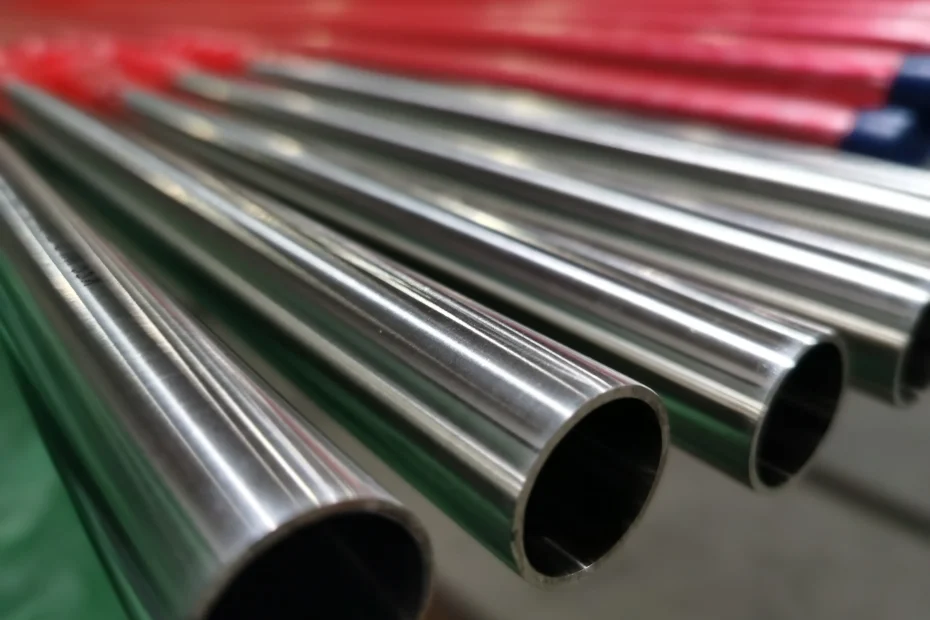
A Corrosion Resistant Alloy (CRA) is a specialized metal designed to withstand aggressive chemical and environmental attacks.
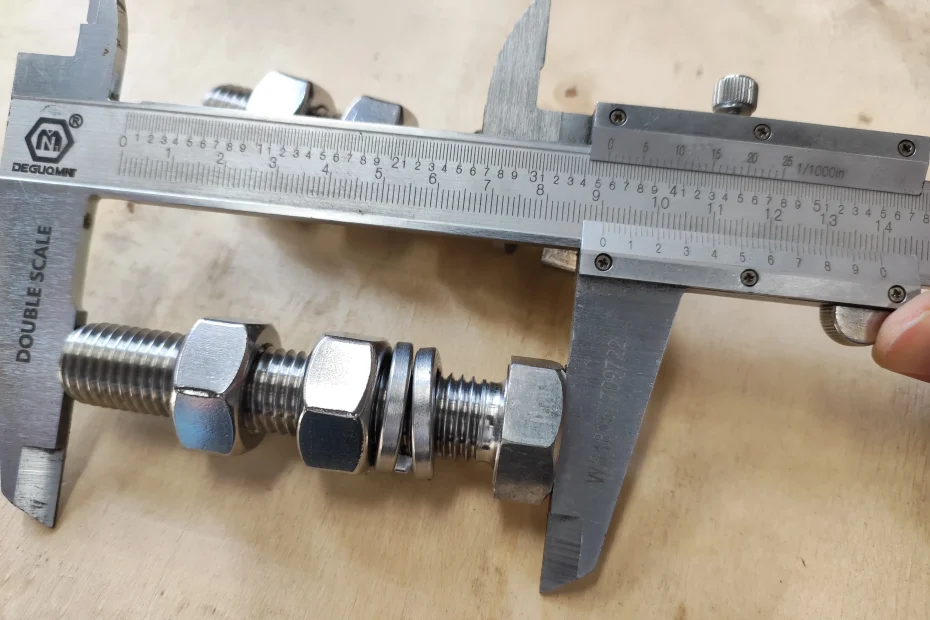
1.4410 (UNS S32750) is the European designation for an advanced super duplex stainless steel exhibiting exceptional resistance to stress corrosion cracking and pitting corrosion.
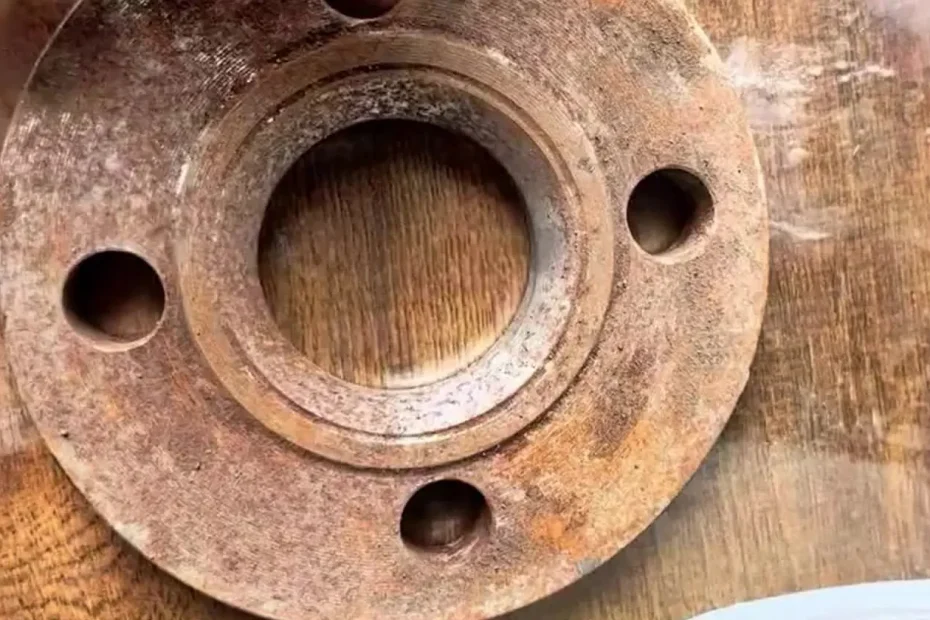
Factors affecting the corrosion resistance of stainless steel include chloride concentration, temperature, surface contamination, and oxygen concentration.
Stainless steel polish is a type of surface finish,referring to the process of refining a metal surface through mechanical or chemical methods.