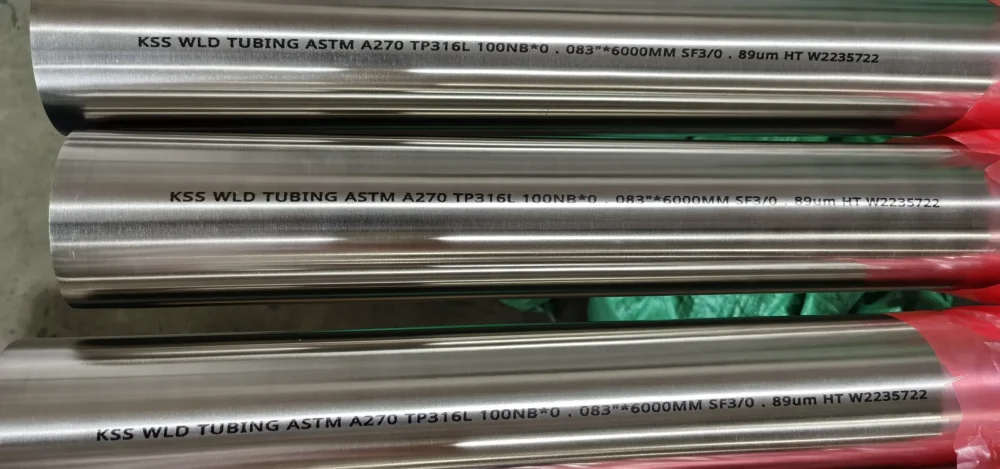
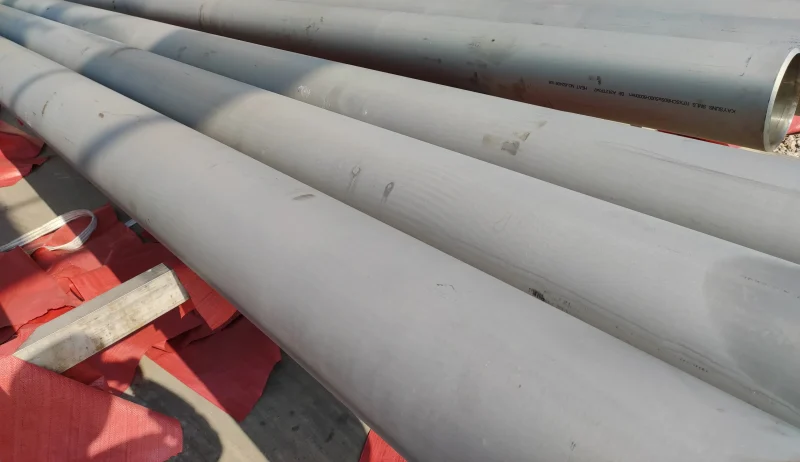
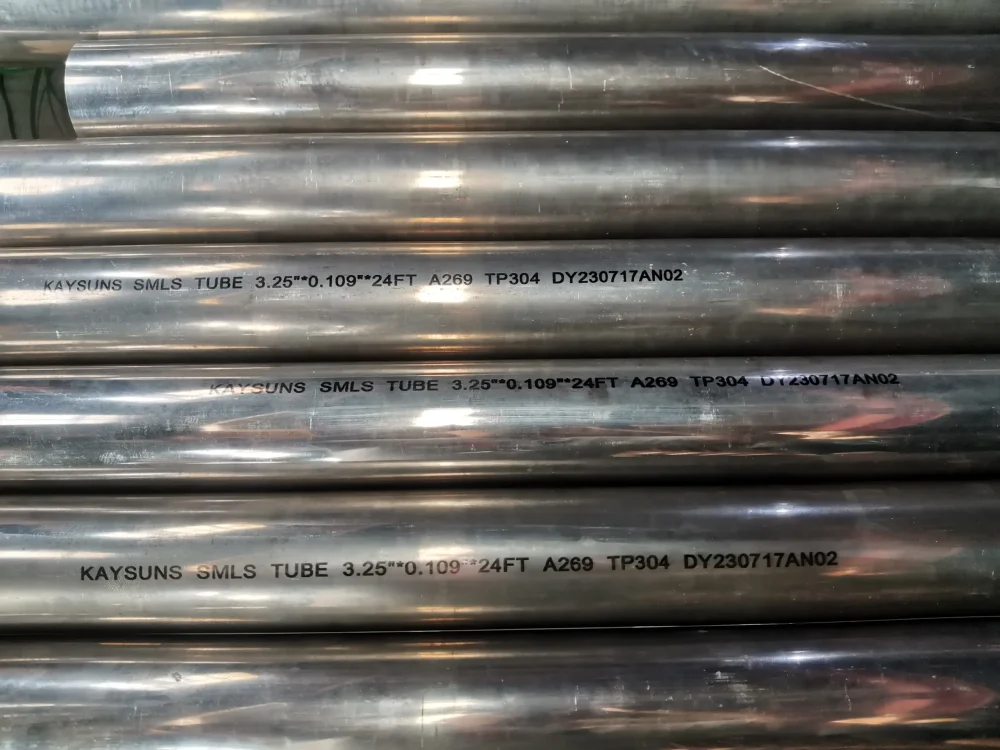
NACE MR0175 / ISO 15156 is the international standard that governs material selection for oil and gas production in sour environments.Specifically,it provides essential requirements for metals exposed to hydrogen sulfide (H2S).For engineers managing high-integrity stainless steel pipe systems,this standard is a critical safety roadmap.It ensures that materials can withstand aggressive chemical attacks without sudden,catastrophic failure.By following these rules,industries protect both their personnel and the surrounding environment.
The Core of NACE MR0175 / ISO 15156
In 2003,NACE joined with ISO to create a unified global standard.Today,ISO 15156 consists of three parts:
- General principles for material selection.
- Requirements for cracking-resistant carbon and low-alloy steels.
- Requirements for cracking-resistant corrosion resistant alloys (CRAs),including various stainless steel grades.
What We Do
- Plate
- Sheet
- Forgings
- Round Bar
- Flange
- Pipes
- Fittings
- Customized
Contact Us For More Information
The Relationship Between NACE MR0175 and Stainless Steel
Stainless steel is a primary material choice for modern piping infrastructure.However,not all stainless steel is suitable for sour service.The relationship between NACE MR0175 and stainless steel is defined by chemical limits and mechanical processing.
For instance,the standard places strict limits on the hardness of stainless steel pipe fittings and flanges.High hardness often correlates with high strength,but it also increases the risk of cracking.Therefore,the standard often mandates specific heat treatments,such as solution annealing.These processes ensure that the metal maintains a uniform microstructure.This uniformity is vital for resisting the harsh conditions found in deep-sea wells or chemical refineries.
NACE MR0175 and Sulfide Stress Cracking
The most dangerous threat in a sour environment is sulfide stress cracking (SSC).It is a form of hydrogen embrittlement that occurs when tensile stress meets H2S and water.
How does it work?When H2S reacts with the steel surface,it releases atomic hydrogen.These tiny atoms penetrate the metal lattice of the stainless steel pipe.Once inside,they collect at grain boundaries and create internal pressure.If the material is too hard or under too much stress,it will snap.NACE MR0175 acts as a shield against this.It specifies the maximum allowable hardness and environmental limits (temperature, pH and chloride levels) to prevent SSC from ever starting.
Material Environmental Limits for Stainless Steels
Note: These limits vary based on the specific pH and application.Always consult the latest edition of the standard for precise engineering.
| Material Category | Typical Grade | Max Temp | Max H2S Partial Pressure (psia) | Max Chlorides (mg/L) |
|---|---|---|---|---|
| Austenitic | 316L | 60℃ | 140℉ | 15 | 1000 |
| Duplex | 2205 | 232℃ | 449.6℉ | 0.3 | 160,000 |
| Super Duplex | 2507 | 232℃ | 449.6℉ | 3.0 | 160,000 |
| Nickel Alloy | Inconel 625 | No Limit | No Limit | No Limit |
Why Compliance Matters for Piping Systems
In a piping system,the weakest link determines the safety of the entire line.If a single flange or valve fails due to SCC,the results can be deadly.Therefore,every component must be certified.
- Material Traceability:
Every pipe and fitting must have a mill test certificate (MTC).This document proves the chemistry and hardness meet NACE MR0175 requirements. - Fabrication Control:
Welding can increase the hardness of the heat affected zone (HAZ).Compliance requires proper welding procedures to keep the HAZ within safe limits. - Long-Term Reliability:
Using NACE-compliant materials reduces the need for expensive corrosion inhibitors.This leads to a lower lifecycle cost for the asset.
Common Hardness Requirements in NACE MR0175
| Component Type | Material Grade | Hardness Limit (HRC) | Standard Requirement |
|---|---|---|---|
| Stainless Steel Pipe | 316/316L | ≤ 22 HRC | Solution Annealed |
| Pipe Fittings | Duplex 2205 | ≤ 28 HRC | Phase balance 40-60% |
| Flanges & Valves | Martensitic 410 | ≤ 22 HRC | Double Tempering required |
| Bolting/Fasteners | B7M / L7M | ≤ 22 HRC | Controlled Stress levels |
Contact Us
- RM901 No.22 Tangjiaqiao Road Wenzhou China
- +86 577 8551 1171
- [email protected]
- https://www.kaysuns.com/