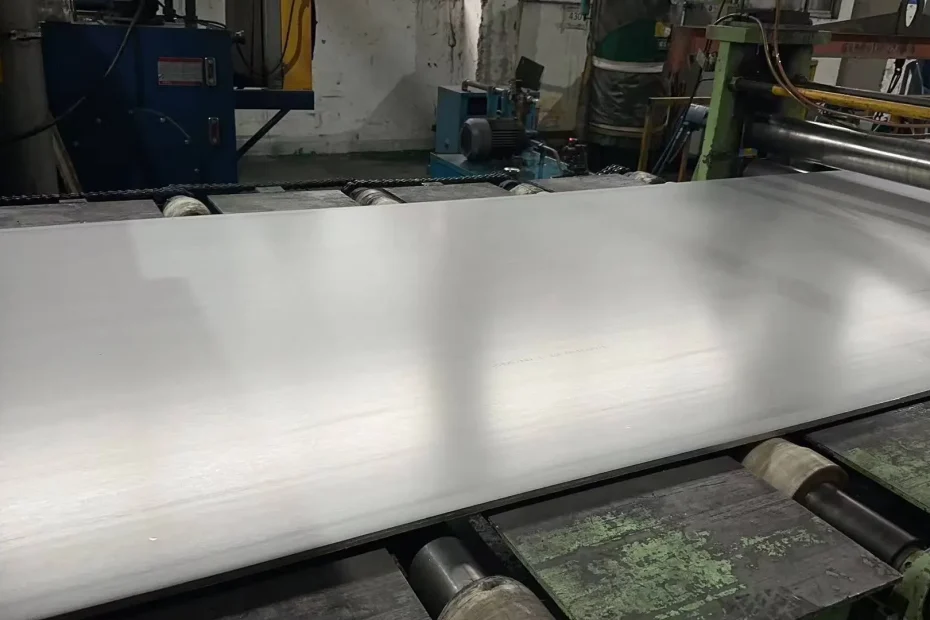
Stainless Steel Sheet
Stainless Steel Sheet is a flat, rolled metal product.It is primarily used for fabrication and forming into complex shapes.We supply not only 4×8 stainless steel sheets but also customised stainless steel sheets.
Stainless Steel Sheet is a flat, rolled metal product.It is primarily used for fabrication and forming into complex shapes.We supply not only 4×8 stainless steel sheets but also customised stainless steel sheets.
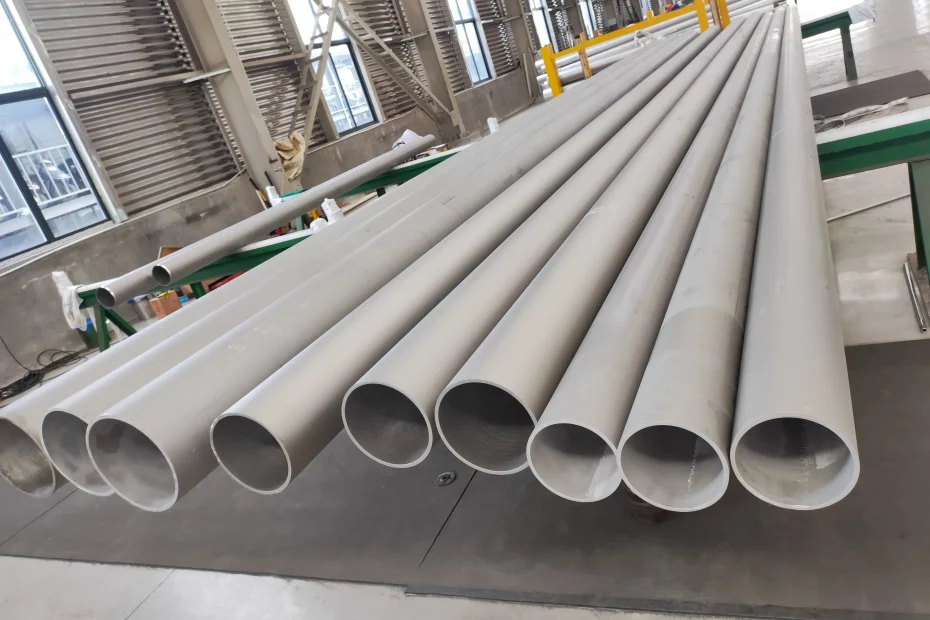
Stainless steel metric tubing is a high-precision product used across many industries.We supply stainless steel metric tubing in grades including but not limited to 316, 316L, 304, and duplex 2205.Get your free fast quote now.
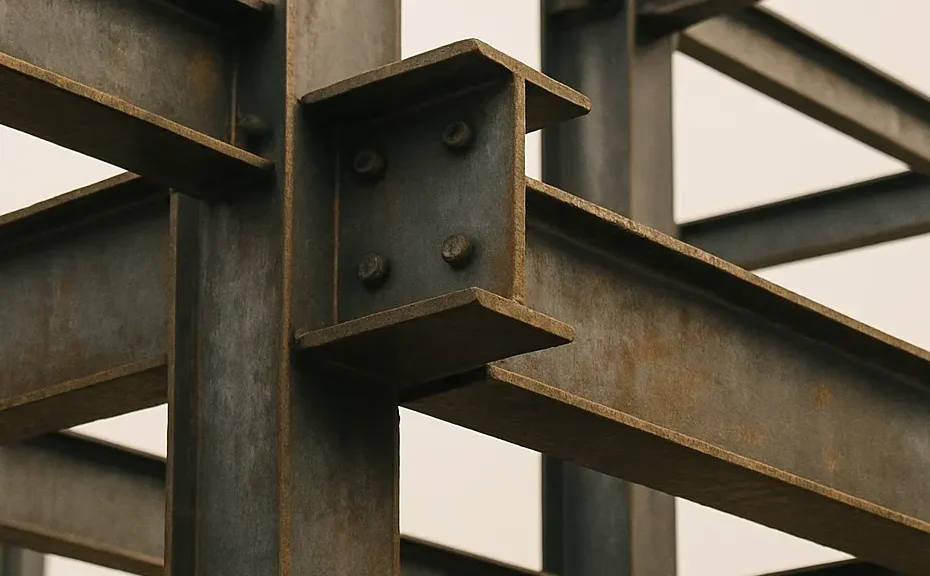
Explore the key differences between steel and stainless steel, their types, and applications. Learn how to choose the right material for your needs.
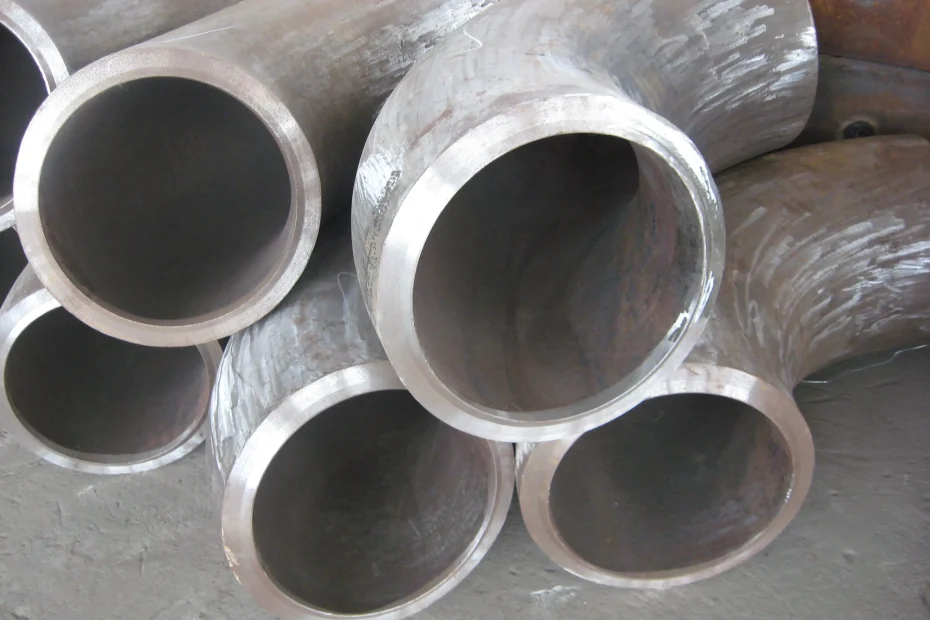
Cold Rolling is a metalworking process. It happens below the steel’s recrystallization temperature. The material is passed between two rollers. This rolling reduces the thickness of the metal. The process significantly improves surface finish and dimensional tolerance. It hardens the material through work hardening.
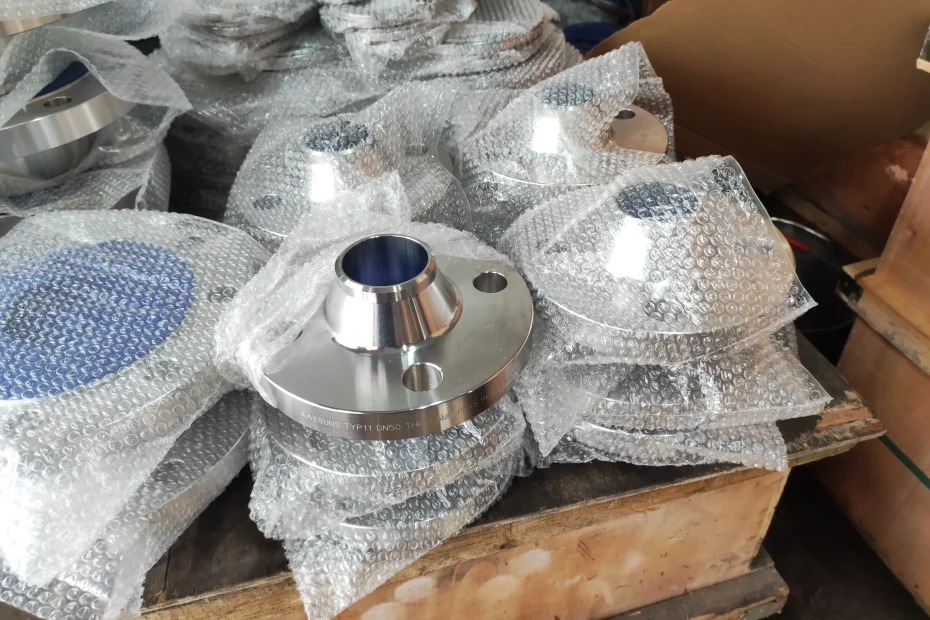
Cold Drawing is a metalworking process.It happens below the steel’s recrystallization temperature.The material is pulled through a die or reducing tool.This pulling permanently deforms the metal.The process significantly reduces the diameter or wall thickness.It improves both the surface finish and the internal structure.
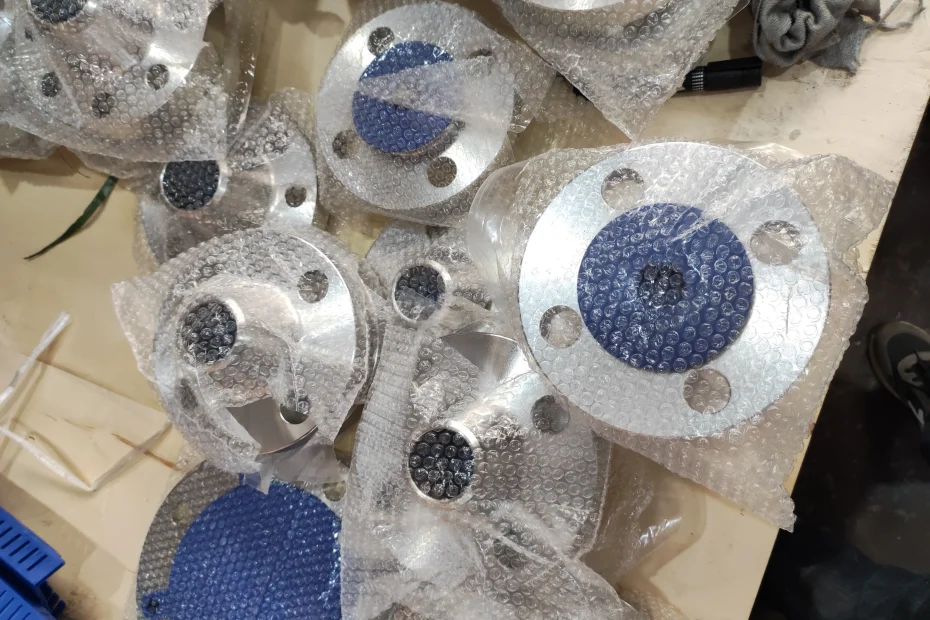
Hot rolling is performed above the recrystallization temperature of steel, utilizing the material’s high-temperature state to achieve shaping. This process offers exceptional cost-effectiveness and efficiency.
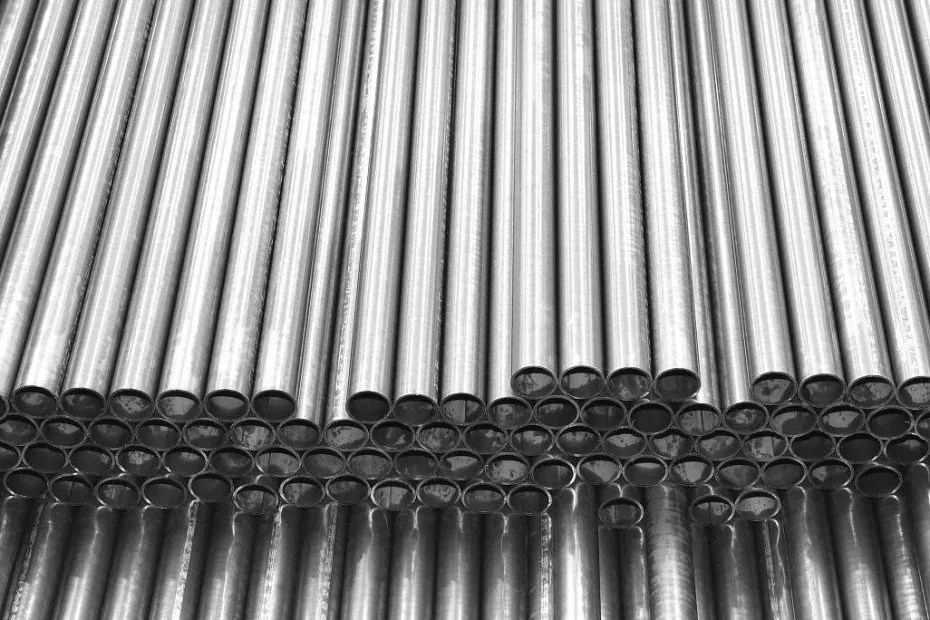
410 stainless steel alloy achieves high strength through heat treatment.Unlike common austenitic stainless steels,it exhibits magnetic properties.With approximately 12% chromium content, it provides good corrosion resistance in mild environments.
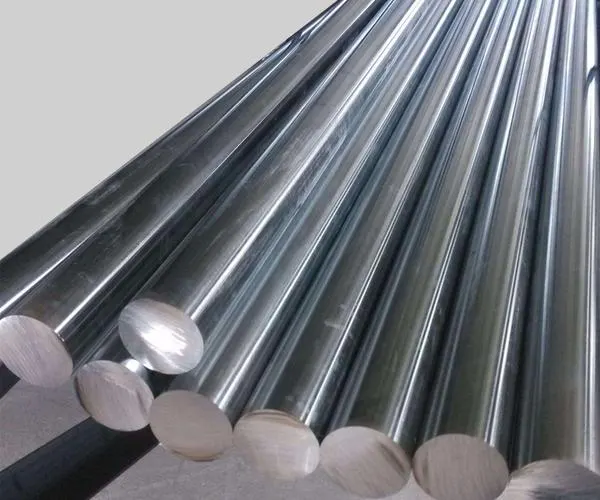
Stainless steel round bars are solid cylindrical metal products manufactured through hot rolling or cold drawing processes.Available in diverse specifications and grades,they are primarily used in machining and manufacturing.
Components such as bolts,shafts and pins are commonly fabricated from this material.These bars provide a robust, corrosion-resistant foundation for structural support.
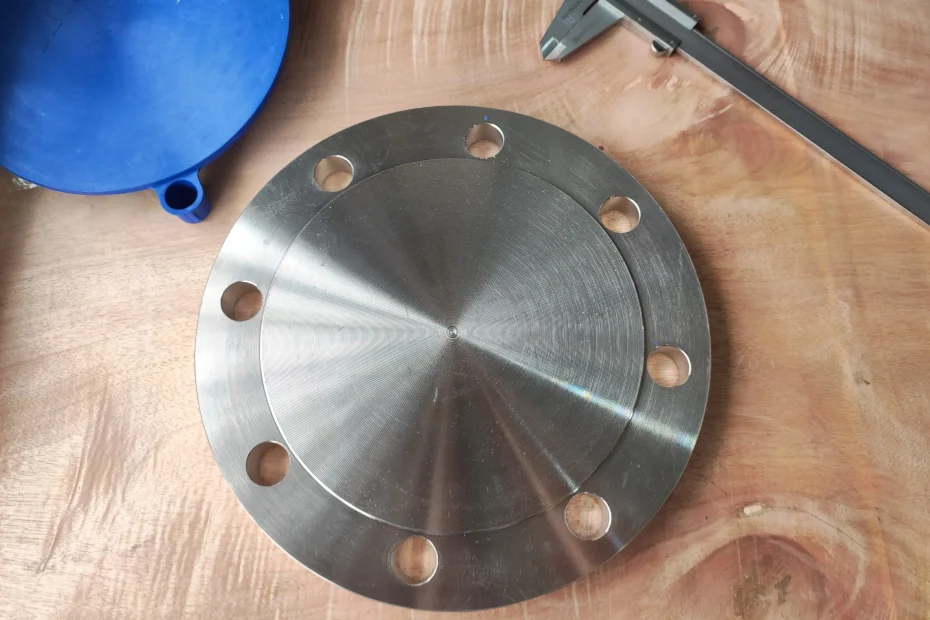
High-pressure pipe fittings are specifically engineered to carry fluids under significantly higher pressures than standard fittings.Typically manufactured from thicker materials,their production often involves forging processes,resulting in denser,stronger component structures.Under demanding conditions,these fittings effectively prevent leaks and failures.
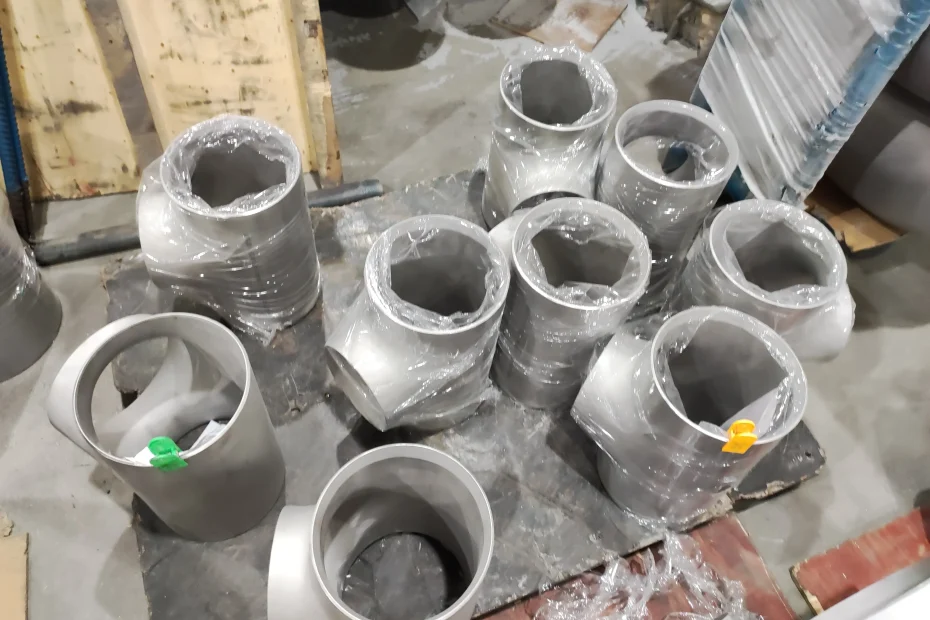
ASTM A403 is a material specification.This standard defines the composition and properties of pipe fittings used in pressure systems.It ensures uniform product quality and covers multiple grades of stainless steel,including austenitic stainless steel and duplex stainless steel.