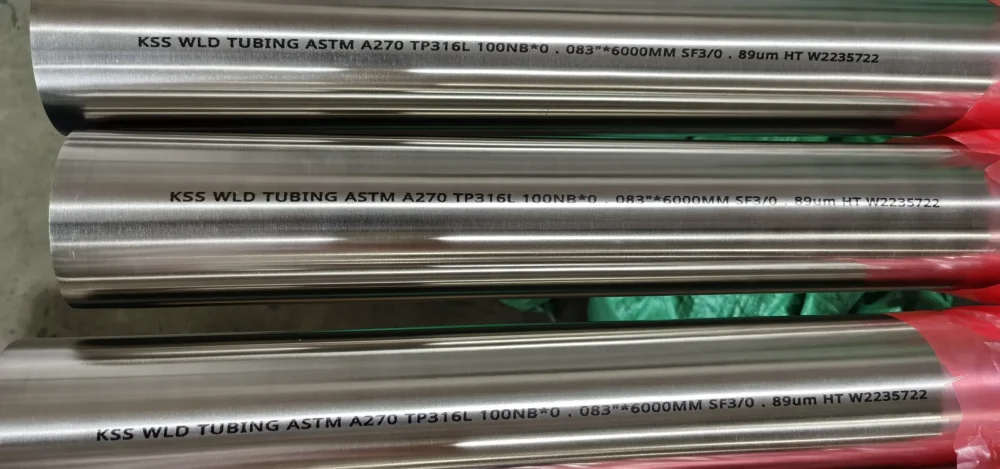
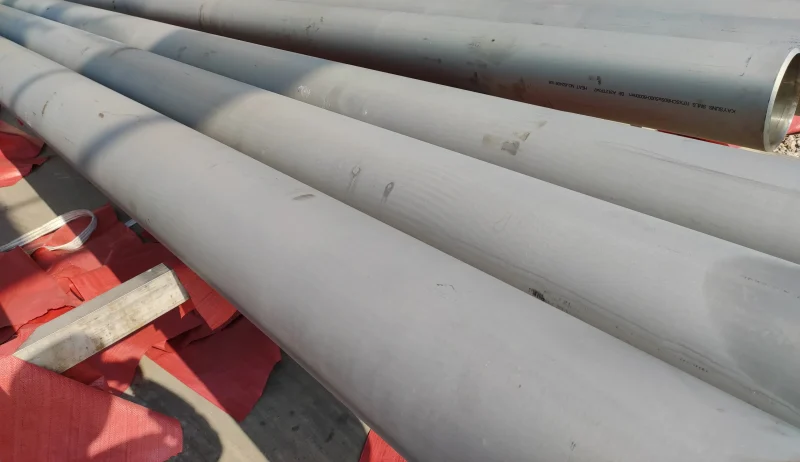
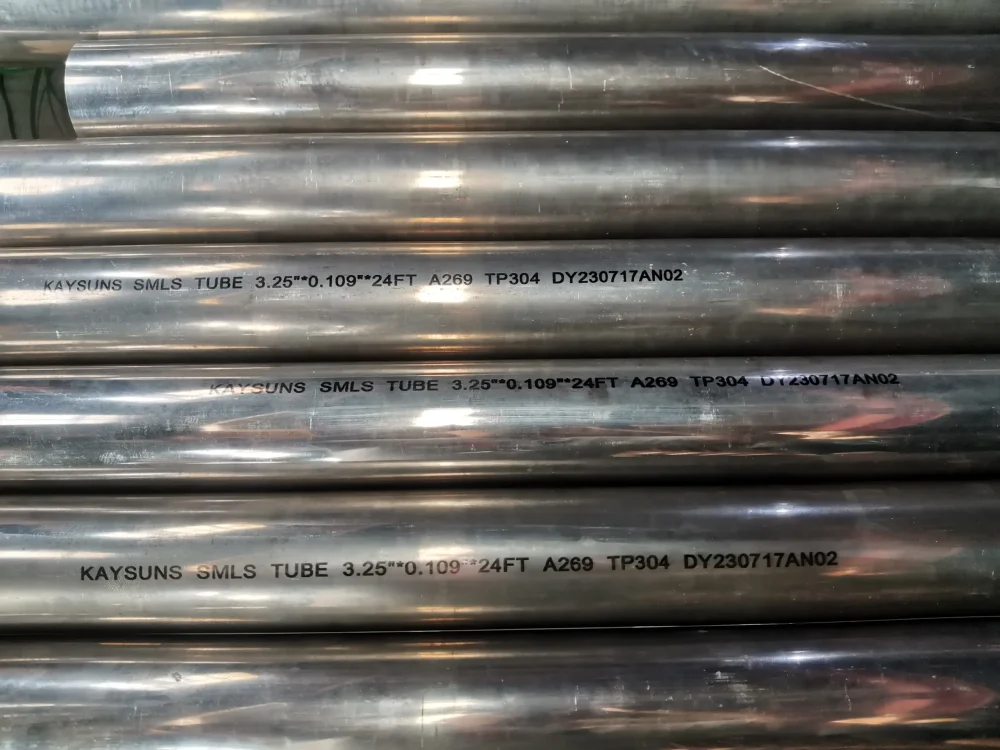
A Corrosion Resistant Alloy (CRA) is a specialized metal designed to withstand aggressive chemical and environmental attacks.These materials serve as the primary defense against structural degradation in extreme industrial settings.Engineers prioritize these alloys when standard carbon steel fails to provide adequate safety or longevity.By utilizing a corrosion resistant alloy,we significantly reduce maintenance costs and prevent catastrophic system failures.This is particularly vital in the production of high-quality pipes, pipe fittings and flanges .
What Exactly is a Corrosion Resistant Alloy?
A corrosion resistant alloy contains high levels of protective elements like chromium, nickel and molybdenum.These elements react with the environment to form a stable,microscopic “passive layer” on the metal surface.This layer acts as a shield,preventing oxygen and moisture from reaching the underlying metal.
Consequently,the material resists rust, pitting and cracking even in acidic or saline conditions.In the world of piping,this means the internal walls of the pipe remain smooth and intact for decades.
What We Do
- Plate
- Sheet
- Forgings
- Round Bar
- Flange
- Pipes
- Fittings
- Customized
Contact Us For More Information
Common Types of Corrosion Resistant Alloy
The industry classifies these alloys based on their chemical composition and crystalline structure.Each type offers distinct benefits for specific piping components like elbows, tees, and flanges.
Austenitic Stainless Steels
Austenitic stainless steels are the most common alloys,including well-known grades like 304 and 316.They offer excellent formability and are easy to weld into complex components.Their high chromium and nickel content provides solid protection against general atmospheric corrosion.
Ferritic Stainless Steels
Martensitic Stainless Steels
Grade 410 and 420 steels fall into this category.Their unique feature lies in achieving exceptionally high hardness through heat treatment.Although their corrosion resistance is lower than that of austenitic types,they serve as ideal corrosion-resistant alloys for wear-resistant pipeline components such as valve seats and pump shafts.
Duplex and Super Duplex Steels
Duplex alloys combine the best traits of austenitic and ferritic steels.They offer twice the strength of standard stainless steel.Because of this,they are the preferred corrosion resistant alloy for high-pressure subsea pipelines. They resist stress corrosion cracking exceptionally well.
Super duplex stainless steel may also incorporate alloying elements such as copper and tungsten to enhance its corrosion resistance in specific environments.
Nickel-Based Alloys
In the most demanding environments,engineers select nickel-based alloys such as Inconel® or Monel®. These alloys maintain structural integrity under extreme temperatures and concentrated acids,making them a common choice for specialized flanges in chemical plants.
Factors That Compromise Corrosion Resistance
In saltwater environments,chlorides can eat small holes into the metal. A high-quality corrosion resistant alloy with molybdenum prevents this localized damage.
Certain systems operate at hundreds of degrees Celsius.Ordinary metals become brittle,a phenomenon known as thermal degradation. However, CRAs maintain their mechanical properties.
Because these alloys resist internal corrosion,the pipe walls remain smooth.This lowers pumping costs and improves energy efficiency.
Preventing leaks is the most effective way to protect the environment.CRAs provide the reliability needed to prevent spills in sensitive areas.
Corrosion Resistant Alloy Specifications
| Alloy Category | Corrosion Resistance | Mechanical Strength | Typical Piping Use |
|---|---|---|---|
| Austenitic (316L) | High | Moderate | Food & Pharma Pipes |
| Duplex (2205) | Very High | High | Oil & Gas Flowlines |
| Super Duplex (2507) | Excellent | Very High | Desalination Plants |
| Nickel Alloy (625) | Extreme | High | Chemical Refineries |
Key Alloying Elements and Their Functions
| Element | Primary Function | Impact on Piping Systems |
|---|---|---|
| Chromium | Forms Passive Film | Prevents general rusting and oxidation |
| Nickel | Enhances Toughness | Improves performance in cold temperatures |
| Molybdenum | Resists Pitting | Essential for marine and chloride exposure |
| Nitrogen | Boosts Strength | Allows for thinner, lighter pipe walls |
How to Select A Corrosion Resistant Alloy
As experts with over 10 years of experience in pipes and fittings,Kaysuns believes that selecting the appropriate alloy requires analyzing the specific “threats” present in the application scenario.
Of course,you can also leave these tedious tasks to us.
Chloride-Rich Environments (Marine/Offshore)
In coastal areas,”pitting” is the primary enemy.You should look for an alloy with a high PREN. For example,while 316L works in mild salt spray,Super Duplex 2507 Pipes is necessary for direct seawater contact.
High-Pressure Acidic Service (Oil & Gas)
If your pipeline carries “sour gas” (H2S), you must prioritize resistance to sulfide stress cracking.Nickel-based alloys or specific Duplex grades are the standard here.These materials prevent sudden,brittle fractures that can lead to environmental disasters.
High-Temperature Oxidation (Refineries)
Sanitary and High-Purity Applications (Pharma/Food)
However, it is important to note that they must comply with relevant cleanliness standards, such as 3-A Sanitary Standards, ASME BPE, ISO 2853, EHEDG Guidelines, and so on.Our sanitary products have all obtained the necessary certifications.
Corrosion Resistant Alloy Care
Contact Us
- RM901 No.22 Tangjiaqiao Road Wenzhou China
- +86 577 8551 1171
- [email protected]
- https://www.kaysuns.com/