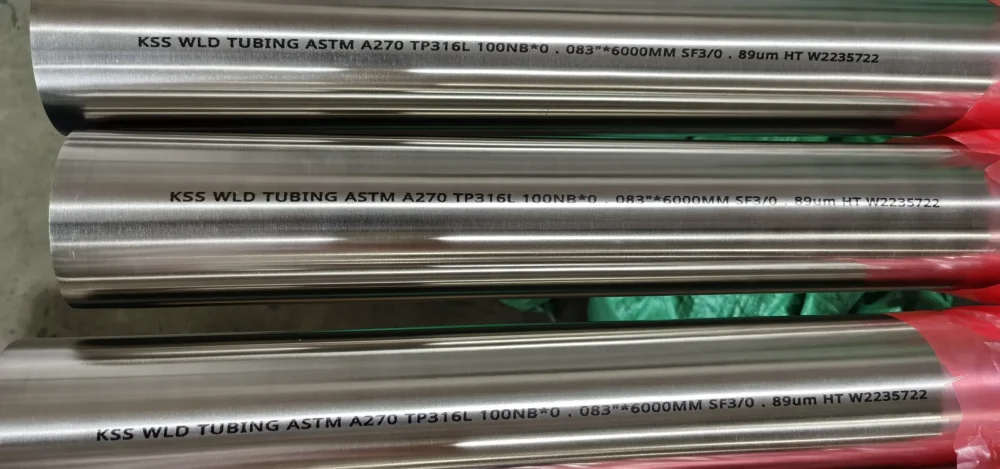
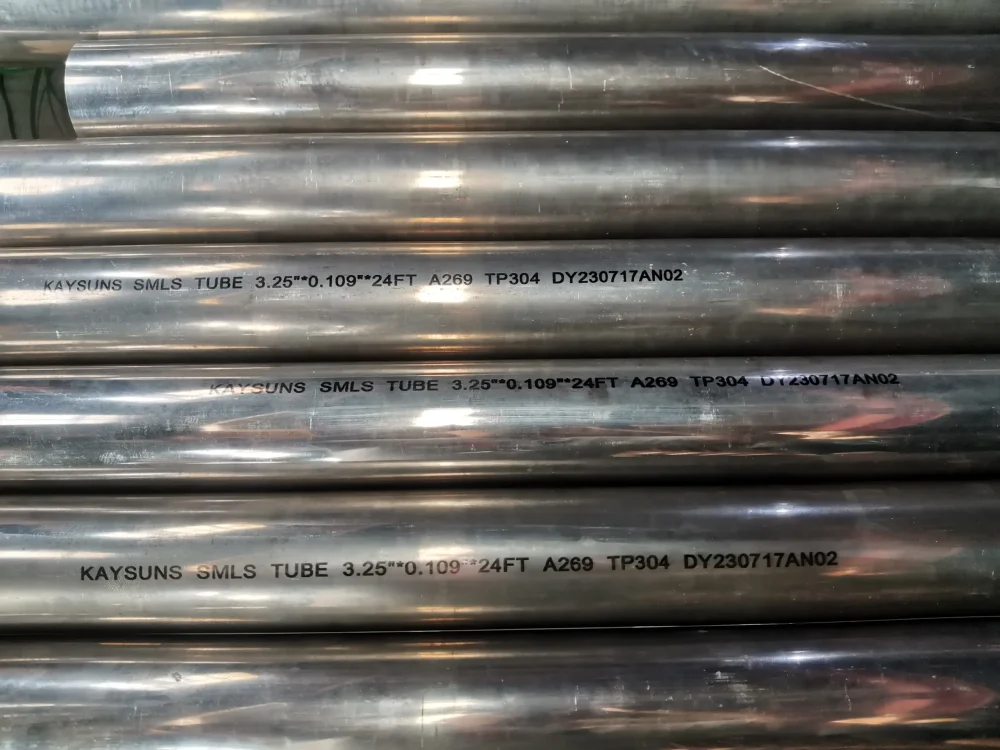
You must choose the right industrial methods when you cut stainless steel sheet or cut chapa de aço inoxidável for modern fabrication.Stainless steel offers exceptional mechanical strength and corrosion resistance.However,its rapid work hardening makes on-site machining extremely challenging.Choosing the wrong tools can quickly damage this expensive metal alloy and delay project schedules.As a professional stainless steel manufacturer in China,we are capable of producing clean, burr-free cuts.
Best Tools to Cut Stainless Steel Sheet and Plate
Thin materials range from 0.5 mm to 3.0 mm in thickness.You can cut stainless steel sheet easily using manual or powered shear equipment.Aviation snips work well for short,curved cuts on light gauge metal sheets.For long straight lines,electric nibblers deliver fast,clean results without bending sheet edges.High-speed plasma torches cut thin sheets quickly with minimal setup time.Fiber laser cutting machines provide ultimate dimensional precision for complex industrial parts.Always secure thin sheets tightly using rubber-lined clamps to eliminate chatter and warping.
Equipment Selection
| Material Thickness Range | Primary Equipment Type | Operational Precision Level | Key Application Benefit |
|---|---|---|---|
| 0.5 mm – 1.5 mm (Thin Sheet) | Hand Snips Electric Nibbler | Moderado | Highly portable for field modifications. |
| 1.5 mm – 3.0 mm (Medium Sheet) | Shearing Machine Fiber Laser | Muito alta | Fast processing with zero edge distortion. |
| 3.0 mm – 12.0 mm (Light Plate) | High-Power Fiber Laser Plasma | Alta | Excellent speed on structural components. |
| 12.0 mm – 50.0 mm (Thick Plate) | Abrasive Waterjet Heavy Bandsaw | Extremo | No heat damage and suitable for thick cuts. |
Industrial Methods to Cut Stainless Steel Sheet and Plate
Thick heavy plates exceed 6 mm in total thickness.Operators cannot cut stainless steel plate effectively using standard hand tools.High-power fiber laser systems slice through thick steel plate rapidly with low heat distortion.High-pressure abrasive waterjet machines cut heavy steel plates without creating a heat-affected zone.Plasma cutting provides a fast,economical solution for heavy structural steel fabrication. Waterjet cutting remains ideal when preserving raw material metallurgical structure is critical.Heavy duty bandsaws handle dense metal slabs smoothly during primary mill preparation.
Common Cutting Defects and Engineering Solutions
| Metal Defect Type | Primary Operational Cause | Effective Technical Solution |
|---|---|---|
| Edge Warping Distortion | Excessive friction and localized heat input. | Apply liquid coolant and reduce cutting speed. |
| Black or Yellow Tonalidade de calor | Surface chromium oxidation at high temperatures. | Use argon or nitrogen shielding gas during cutting. |
| Pesado Bottom Burrs | Dull tool blades or incorrect feed rate. | Replace worn blades and adjust mechanical feed speed. |
| Micro-Cracks along Cut Edge | Thermal stress during plasma processing. | Switch to cold waterjet processing for heavy plates. |
O que fazemos
- Placa
- Folha
- Forjados
- Barra redonda
- Mesa
- Tubos
- Conexões
- Personalizado
Entre em contato conosco para obter mais informações
How to Cut Stainless Steel Sheet without Warping
Excessive thermal expansion causes severe edge warping on thin metal sheets.You must control thermal energy carefully when you cut stainless steel sheet with power tools.Apply high-performance synthetic cutting fluid continuously throughout active metal processing cycles.Lower your cutting machine speed to reduce severe physical friction and heat accumulation.Use sharp carbide-tipped saw blades designed specifically for dense stainless alloys.Proper mechanical clamping prevents metal vibration and eliminates ugly heat discoloration completely.Distribute mechanical clamping pressure evenly along the workpiece to protect thin surface finishes.
Edge Quality and Burr Removal Techniques
Mechanical saws and thermal cutters leave sharp metal burrs along cut lines.These rough jagged edges prevent tight welding alignment and create severe workplace hazards.You must deburr all cut edges immediately after you cut stainless steel plate or sheet.Use pneumatic rotary deburring tools or fine-grit flap discs for fast field cleanups.Acid pickling paste removes thermal oxidation scale and restores natural corrosion resistance effectively.Always clean processed edges with industrial acetone before performing critical welding operations. Smooth,clean edges ensure complete weld penetration and prevent future corrosion failure.
Alloy Grade Machinability and Recommended Settings
| Grau SS | Categoria da liga | Machinability Rating | Hardness & Machinability Profile | Recommended Cutting Parameters & Settings |
|---|---|---|---|---|
| 303 | Free-Machining Austenitic | 75% – 80% | Moderate hardness added sulfur creates short chips and reduces tool wear | High speed (100–150 m/min) carbide or HSS tooling light-to-moderate flood coolant |
| 304 304L | Austenítico padrão | 45% – 50% | High toughness severe work-hardening tendency produces long stringy chips | Medium speed (60–90 m/min) positive rake carbide inserts constant feed to avoid work-hardening heavy flood coolant |
| 316 316L | Marine Austenitic | 40% – 45% | Higher toughness than 304 due to Molybdenum rapid work-hardening rate | Lower speed (50–80 m/min) sharp,positive-geometry carbide tools heavy feed pressure synthetic flood coolant |
| 317L 904L | Super Austenitic | 30% – 35% | Very high Nickel/Molybdenum content extreme work-hardening and gummy cutting behavior | Low speed (35–55 m/min) high-rigidity setup sharp inserts high-pressure coolant |
| 416 | Free-Machining Martensitic | 85% – 90% | Excellent machinability sulfur addition prevents chip jamming on automated lathes | Very high speed (120–180 m/min) high feed rates standard carbide or HSS tooling soluble oil coolant |
| 410 420 | Standard Martensitic | 50% – 55% | Moderate hardness in annealed state becomes highly abrasive when heat-treated | Medium-high speed (80–110 m/min) rigid tool clamping lower speed significantly if material is hardened |
| 430 | Standard Ferritic | 60% – 65% | Soft and ductile lower work-hardening rate compared to austenitic grades | Moderate-to-high speed (90–120 m/min) sharp cutting edges use chip breakers to manage continuous chips |
| 2205 Duplex | Duplex | 25% – 30% | High yield strength extreme toughness and high work-hardening rate | Low speed (30–50 m/min) heavy feed per tooth high-rigidity CNC setup high-pressure flood coolant coated carbide inserts |
| 2507 Super Duplex | Super Duplex | 20% – 25% | Exceptional mechanical strength and hardness extremely abrasive on cutting edges | Very low speed (20–40 m/min) heavy feed low-vibration fixtures premium PVD/CVD coated carbide tools |
| 17-4PH (S17400) | Endurecimento por precipitação | 45% (Cond A) 25% (H900) | Moderate machinability in Solution Annealed state tough and abrasive after age-hardening | Medium speed (50–80 m/min in Cond A; 30–50 m/min in H900) constant feed heavy-duty coolant or sulfurized cutting oil |
Safety Standards for Metal Cutting Operations
Cutting dense stainless steel alloys produces intense heat,bright sparks,and fine dust.Workshop managers must enforce strict personal protective equipment standards during all operations.Operators must wear ANSI-approved safety goggles and heavy leather welding gloves continuously.Respiratory protection prevents inhalation of hazardous nickel and chromium dust during grinding.Inspect all cutting blades and grinding wheels for invisible cracks before starting machines.Ensure adequate workshop ventilation to maintain clean breathing air during heavy plasma cutting tasks.
FAQs to Cut Stainless Steel Plate and Sheet
Yes,you can use a circular saw equipped with a carbide metal-cutting blade.Always run the saw at low speed and apply liquid lubricant continuously.
Waterjets use cold abrasive streams without generating high heat.This cold process prevents heat tint,warping,and micro-cracks in heavy metal plates.
Clean cut edges thoroughly and apply chemical passivating paste.Passivation restores the protective chromium oxide layer,preventing localized rust completely.
Intense heat oxidizes surface chromium when exposed to atmospheric oxygen.Using nitrogen shield gas during plasma cutting prevents ugly surface oxidation.
Selecting proper equipment ensures maximum efficiency when you cut stainless steel sheet or plate.Match your cutting tool directly to material thickness,geometry,and alloy grade.Control processing heat,feed speeds,and mechanical pressure to maintain tight manufacturing tolerances.Always deburr finished edges and restore surface passivation before final assembly work.Implement these expert metal fabrication standards to elevate your workshop production quality today.
Contate-nos
Entre em contato
- RM901 No.22 Tangjiaqiao Road Wenzhou China
- +86 577 8551 1171
- [email protected]
- https://www.kaysuns.com/
Encontre-nos