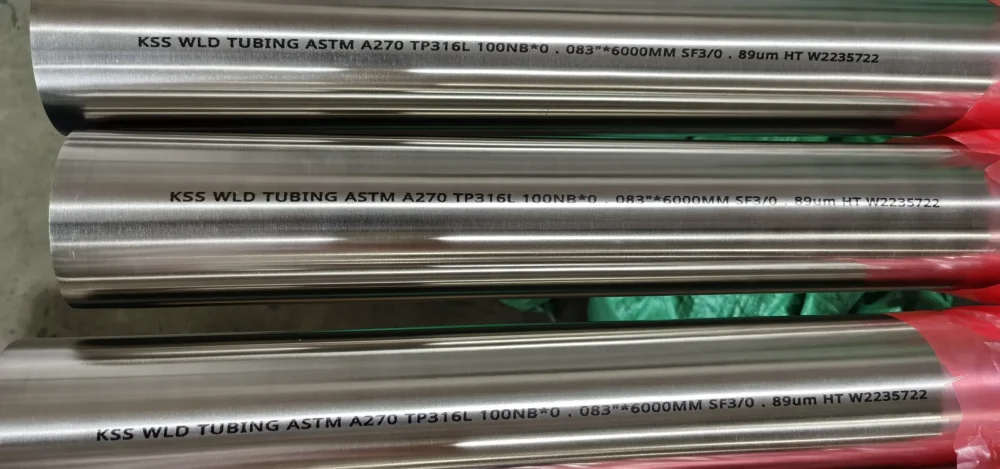
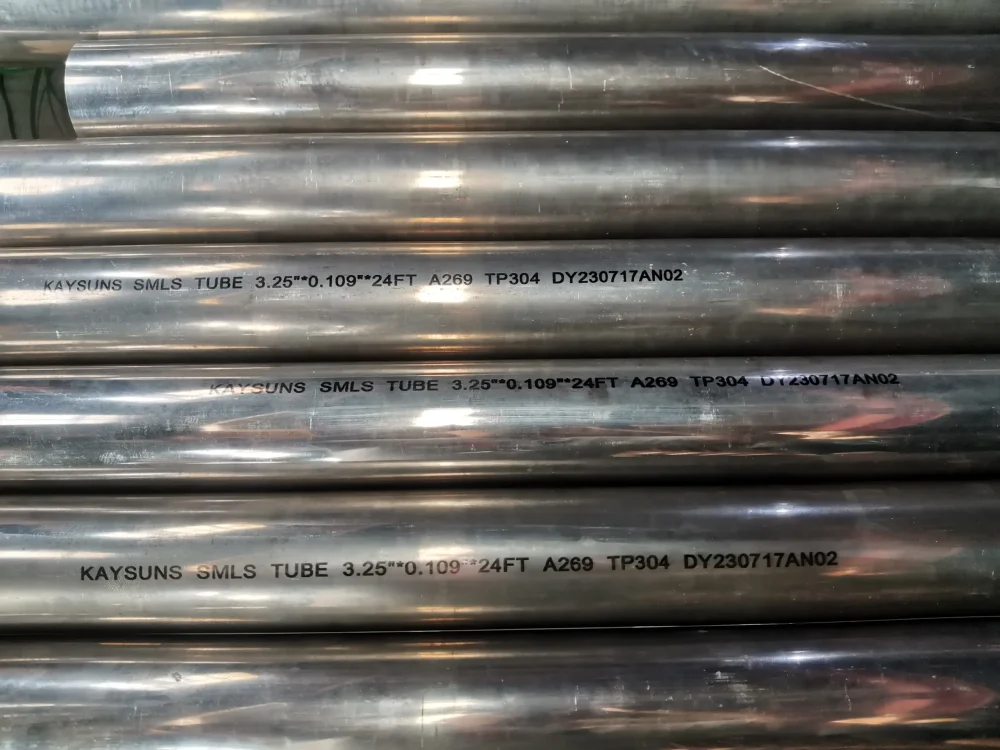
O que é aço inoxidável?
O que é Hastelloy?
Conformidade e padrões para Hastelloy e aço inoxidável
| Tipo de componente | Aço Inoxidável | Hastelloy | Padrões de dimensão e tolerância |
|---|---|---|---|
| Tubo sem costura | ASTM A312 / ASME SA312 | ASTM B622 / ASME SB622 | ASME B36.19 / B36.10 |
| Tubo Soldado | ASTM A312 / A358 | ASTM B619 / B626 | ASME B36.19 |
| Conexões | ASTM A403 | ASTM B366 | ASME B16.9 |
| Flanges | ASTM A182 | ASTM B564 | ASME B16.5 |
O que fazemos
- Placa
- Folha
- Forjados
- Barra redonda
- Mesa
- Tubos
- Conexões
- Personalizado
Entre em contato conosco para obter mais informações
Comparação da composição química
| Elemento | Aço inoxidável (316L) | Hastelloy (C276) |
|---|---|---|
| Metal base | Ferro (Fe) | Níquel (Ni) |
| Crómio | 16% - 18% | 14.5% - 16.5% |
| Níquel | 10% - 14% | 57% (Balanço) |
| Molibdênio | 2% - 3% | 15% - 17% |
| Tungstênio | Nenhum | 3% - 4,5% |
Hastelloy vs. aço inoxidável: resistência à corrosão
Hastelloy vs. aço inoxidável: desempenho em temperatura
A solução completa: tubos, conexões e flanges
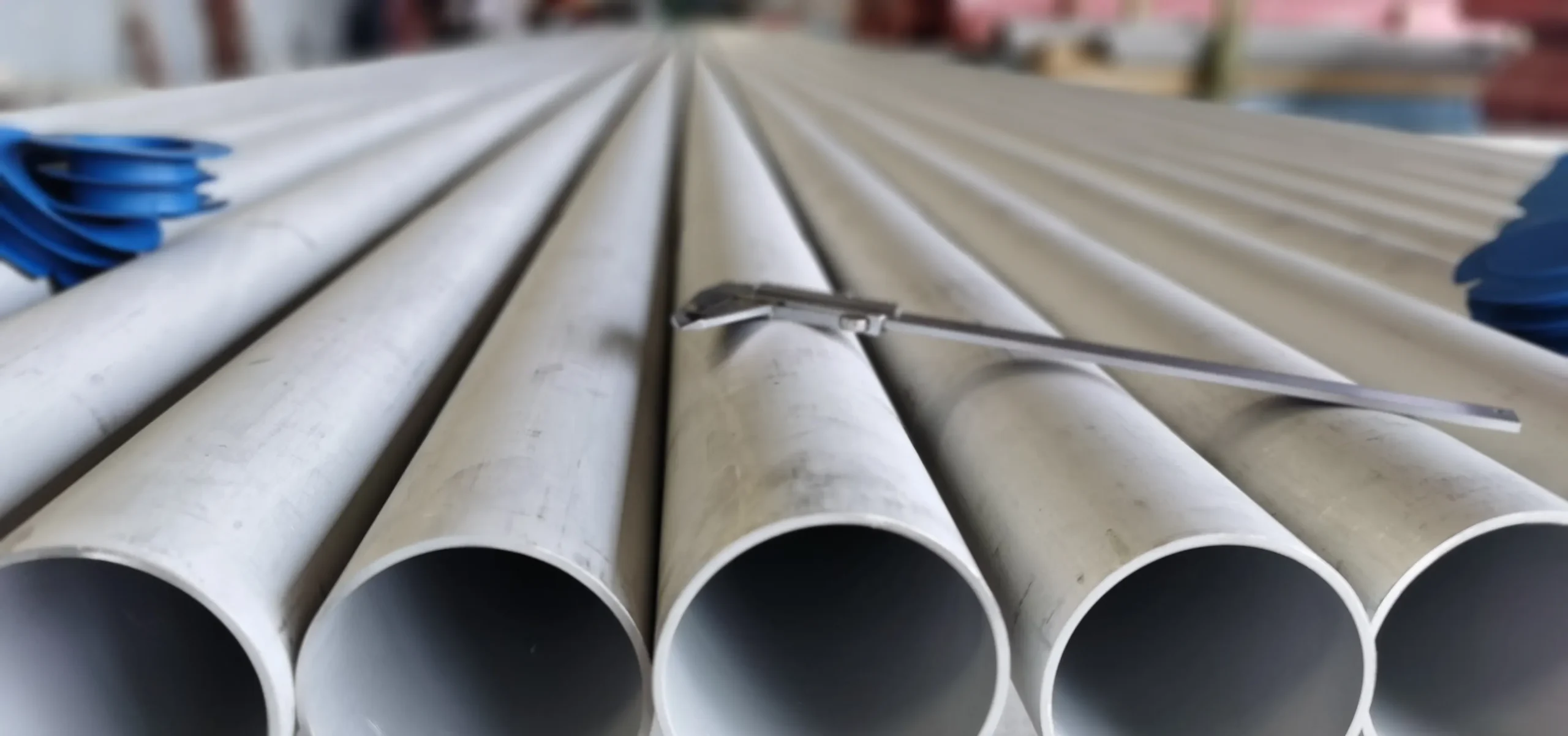
1. tubulação industrial
Quando você escolher entre Hastelloy e aço inoxidável para tubos, considere a classificação de pressão.Tubos de Hastelloy geralmente permitem paredes mais finas devido à sua resistência superior,tubos de aço inoxidável são muito mais fáceis de obter para encanamentos padrão ou linhas industriais de baixa corrosão.
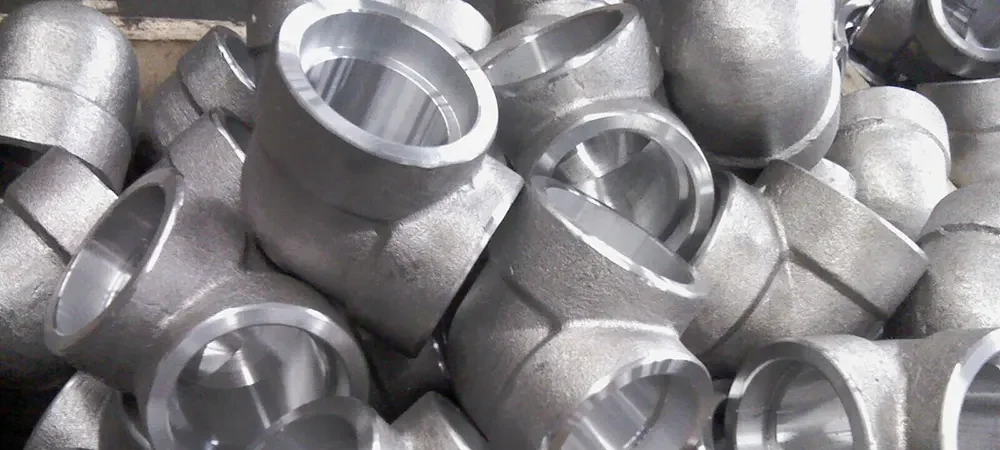
2. acessórios para tubos
As conexões incluem cotovelos, tês e redutores. Se você usar tubos de Hastelloy, deverá usar Acessórios para tubos de Hastelloy.A mistura de metais pode causar “corrosão galvânica”. Isso ocorre quando dois metais diferentes se tocam em um líquido, fazendo com que o metal mais fraco se corroa rapidamente.
3. flanges e vedação
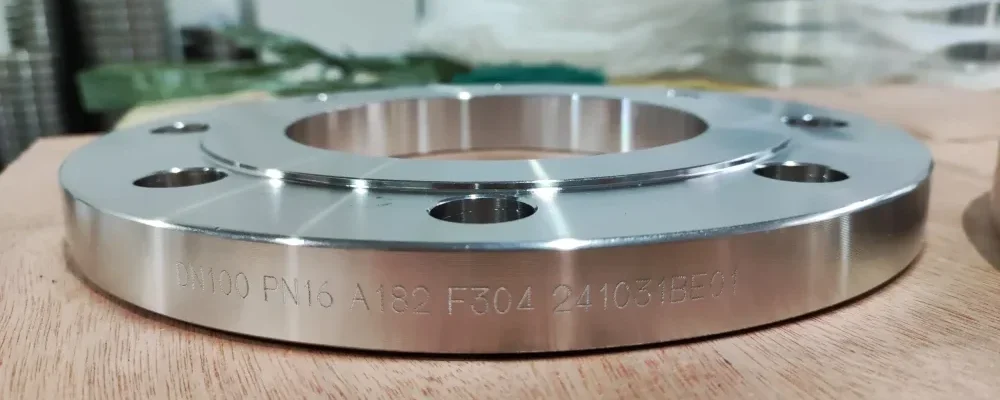
Os flanges de Hastelloy e de aço inoxidável diferem na durabilidade do orifício do parafuso e na retenção da face de vedação. Os flanges de Hastelloy resistem muito melhor à “corrosão em fendas” sob as gaxetas do que os de aço inoxidável.
Hastelloy vs. aço inoxidável: Matriz de adequação de aplicações
| Indústria | Aço Inoxidável | Hastelloy |
|---|---|---|
| Alimentos e bebidas | Excelente | Overkill (muito caro) |
| Produtos farmacêuticos | Muito bom | Excelente (para produtos de limpeza agressivos) |
| Petróleo e gás | Bom (em terra) | Essencial (offshore/gás ácido) |
| Processamento químico | Limitada | Excelente |
| Marinha | Bom/td> | Superior |
- Nas usinas de dessalinização, os engenheiros geralmente se deparam com uma escolha: Hastelloy e aço inoxidável. Embora o aço inoxidável 316L funcione para água doce, a salmoura de alta salinidade o consome rapidamente.
- No setor de dessulfurização de gás de combustão (FGD), os tubos são expostos a ácido sulfúrico quente. O aço inoxidável padrão sofre de rachaduras por corrosão sob tensão. Ao mudar para conexões e flanges Hastelloy, as fábricas reduzem o tempo de parada para manutenção em mais de 80%.
Matriz de decisão rápida: Como escolher?
- O meio é altamente ácido (pH Escolha Hastelloy.
- A temperatura operacional está acima de 500°C? -> Escolha Hastelloy.
- O orçamento do projeto é a principal restrição para um ambiente não corrosivo? -> Escolha Aço Inoxidável.
- Os cloretos estão presentes em altas concentrações? -> Escolha Hastelloy (para evitar corrosão).
Hastelloy vs. aço inoxidável: análise de custos
Visão geral de custos e manutenção
| Fator | Aço Inoxidável | Hastelloy |
|---|---|---|
| Custo inicial | Baixo a médio | Alta |
| Facilidade de instalação | Alta (fácil de soldar) | Moderado (requer conhecimento especializado) |
| Necessidade de manutenção | Inspeções frequentes | Mínimo |
| Tempo de vida | 5-10 anos (Corrosivo) | Mais de 20 anos (Corrosivo) |
Desafios de fabricação e soldagem
Por que adquirir seus componentes de tubulação conosco?
Perguntas frequentes sobre Hastelloy e aço inoxidável
Sim, você pode unir Hastelloy e aço inoxidável usando técnicas de soldagem de metais diferentes, mas deve usar um metal de adição com alto teor de níquel, como o Hastelloy C276, para evitar rachaduras e manter a resistência à corrosão na junta.
Em geral, o Hastelloy é superior para hidrogênio de alta pressão porque resiste muito melhor à fragilização por hidrogênio do que os tipos mais comuns de aço inoxidável.
Não,A maioria dos tipos de Hastelloy (como C276 ou B3) não é magnética. Os aços inoxidáveis da série 300 também não são magnéticos, mas podem se tornar ligeiramente magnéticos após trabalho a frio ou soldagem.
Contate-nos
- RM901 No.22 Tangjiaqiao Road Wenzhou China
- +86 577 8551 1171
- [email protected]
- https://www.kaysuns.com/