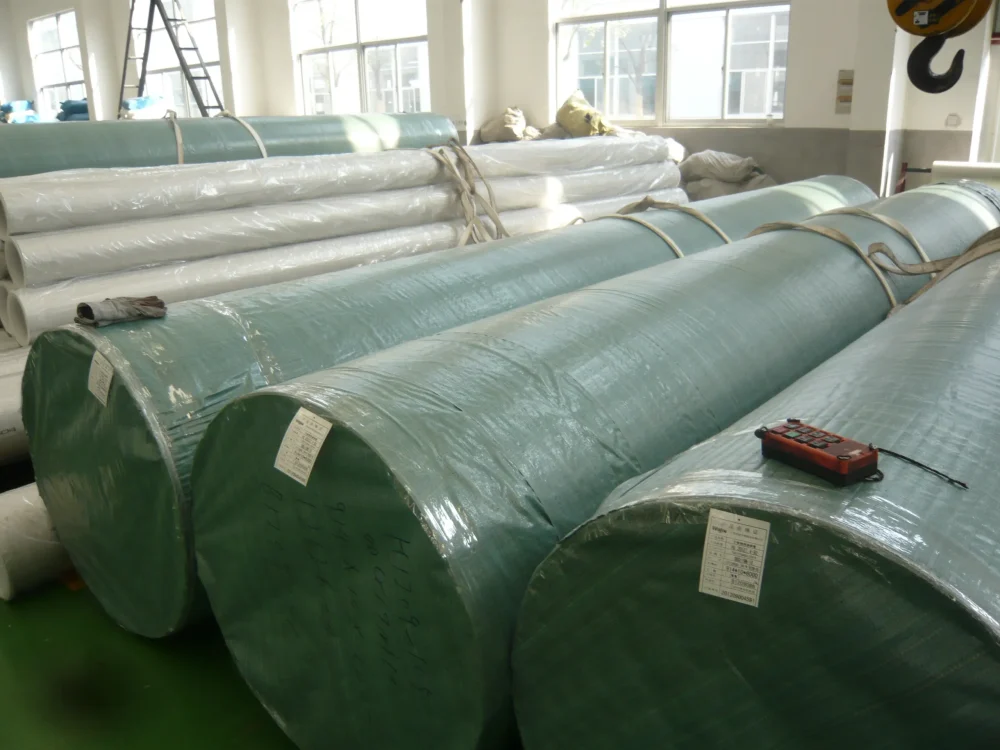
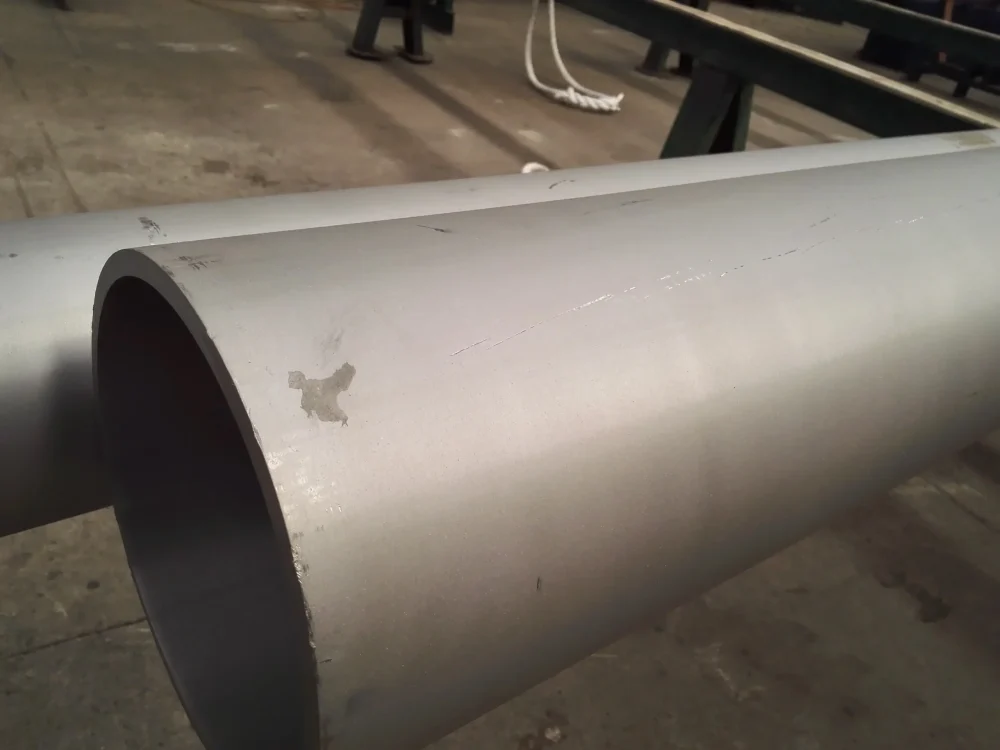
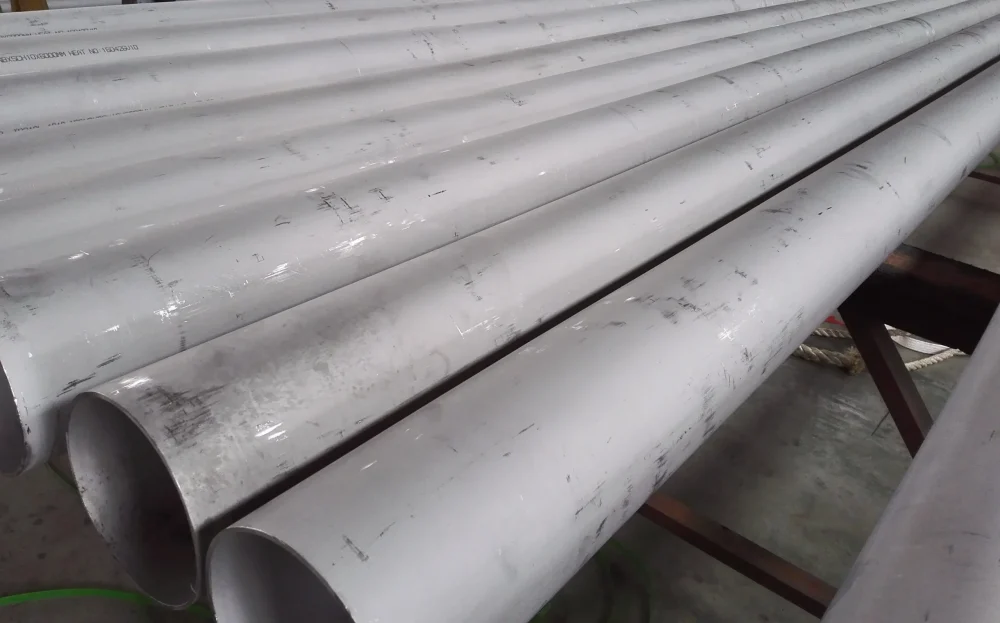
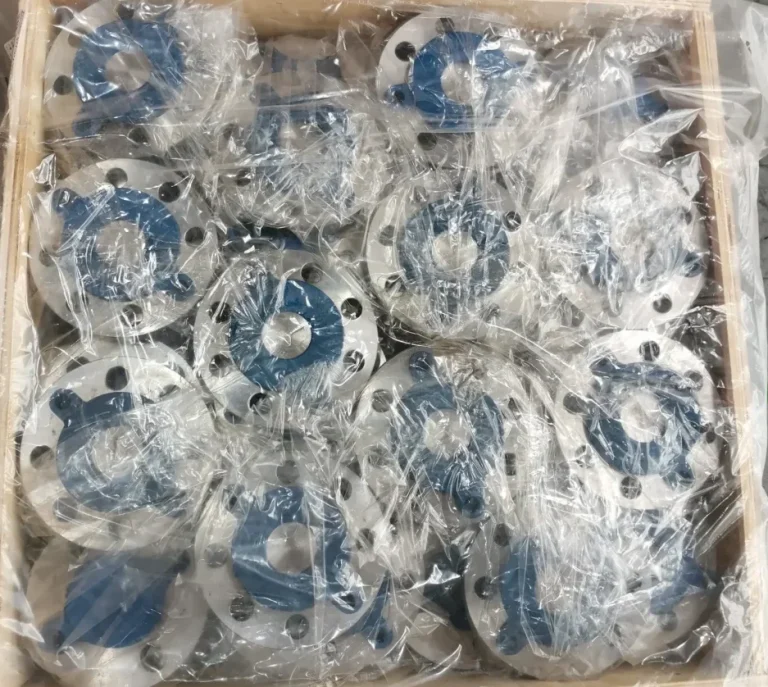
ASTM A182 F11 Flange
Chemical Composition of F11 Flange
Here is the chemical breakdown for F11 Class 1, 2, and 3 as per the ASTM A182 standard:
| C | Mn | P | S | Si | Cr | Mo |
|---|---|---|---|---|---|---|
| 0.05 - 0.15 | 0.30 – 0.60 | ≤ 0.030 | ≤ 0.030 | 0.50 – 1.00 | 1.00 – 1.50 | 0.44 – 0.65 |
Key Characteristics of These Elements
- Cr:Improves oxidation resistance and corrosion resistance at elevated temperatures.
- Mo:Increases the creep strength and high-temperature tensile strength.
- Si:F11 has a higher silicon content,which helps with deoxidation and increases resistance to scaling.
- C:The controlled carbon content ensures good weldability while maintaining structural integrity.
Tem um requisito?
Entre em contato conosco para obter mais informações
Mechanical Properties of F11 Class 1, 2, and 3 Flanges
| Métricas de desempenho | Classe 1 | Classe 2 | Class 3 |
|---|---|---|---|
| Resistência à tracção | ≥ 415 MPa (60 ksi) | ≥ 485 MPa (70 ksi) | ≥ 515 MPa (75 ksi) |
| Força de rendimento | ≥ 205 MPa (30 ksi) | ≥ 275 MPa (40 ksi) | ≥ 310 MPa (45 ksi) |
| Alongamento | ≥ 20% | ≥ 20% | ≥ 20% |
| Dureza | 121 – 174 HBW | 143 – 207 HBW | 156 – 207 HBW |
Why Are The Properties Different If The Chemical Composition is The Same?
4 Manufacturing Methods for F11 Flange
Closed Die Forging
Open Die Forging / Free Forging
Rolled Ring Forging
Machining from Forged Bar
This method involves turning heat-treated F11 forged bar stock directly on a CNC machine tool.
Applications of ASTM A182 F11 Flange
- Geração de energia
- Oil Refineries
- Petrochemical Plants
- Pressure Vessel Fabrication
- Trocadores de calor
- Natural Gas Processing
- Offshore Platforms
- Fertilizer Plants
- Indústria de papel e celulose
- Heavy-Duty Valves
FAQs About ASTM A182 F11 Flange
Yes,but it is considered “restricted welding.” Because it contains chromium and molybdenum,the weld is prone to hardening and cold cracking.Preheating and post-weld heat treatment are required to relieve stress and restore toughness.
Under continuous operation,the recommended maximum operating temperature for F11 is typically 593°C (1100°F).
Above this temperature,the material’s oxidation resistance decreases significantly,and severe creep loss occurs.
They cannot be interchanged arbitrarily.Class 2 has higher strength requirements than Class 1.If the design drawings specify Class 2,Class 1 cannot be used as a substitute;however,if the design specifies Class 1,Class 2 can typically serve as a “higher-grade substitute” provided the hardness requirements are met.
According to the ASTM A182 standard,flanges of this grade must be forged.Steel plates are covered by the ASTM A387 standard.Flanges must be forged to refine the grain structure and ensure uniformity in the direction of the metal fibers.Only blind flanges are occasionally permitted to be manufactured from steel plates under certain specific standards.
This depends on your order specifications or specific application standards,such as ASME B31.3.
Impact testing is typically required for low-temperature applications;however,since F11 is primarily used in high-temperature environments,it is not a mandatory requirement unless specifically stipulated by the buyer in the purchase contract.
Contate-nos
- RM901 No.22 Tangjiaqiao Road Wenzhou China
- +86 577 8551 1171
- [email protected]
- https://www.kaysuns.com/