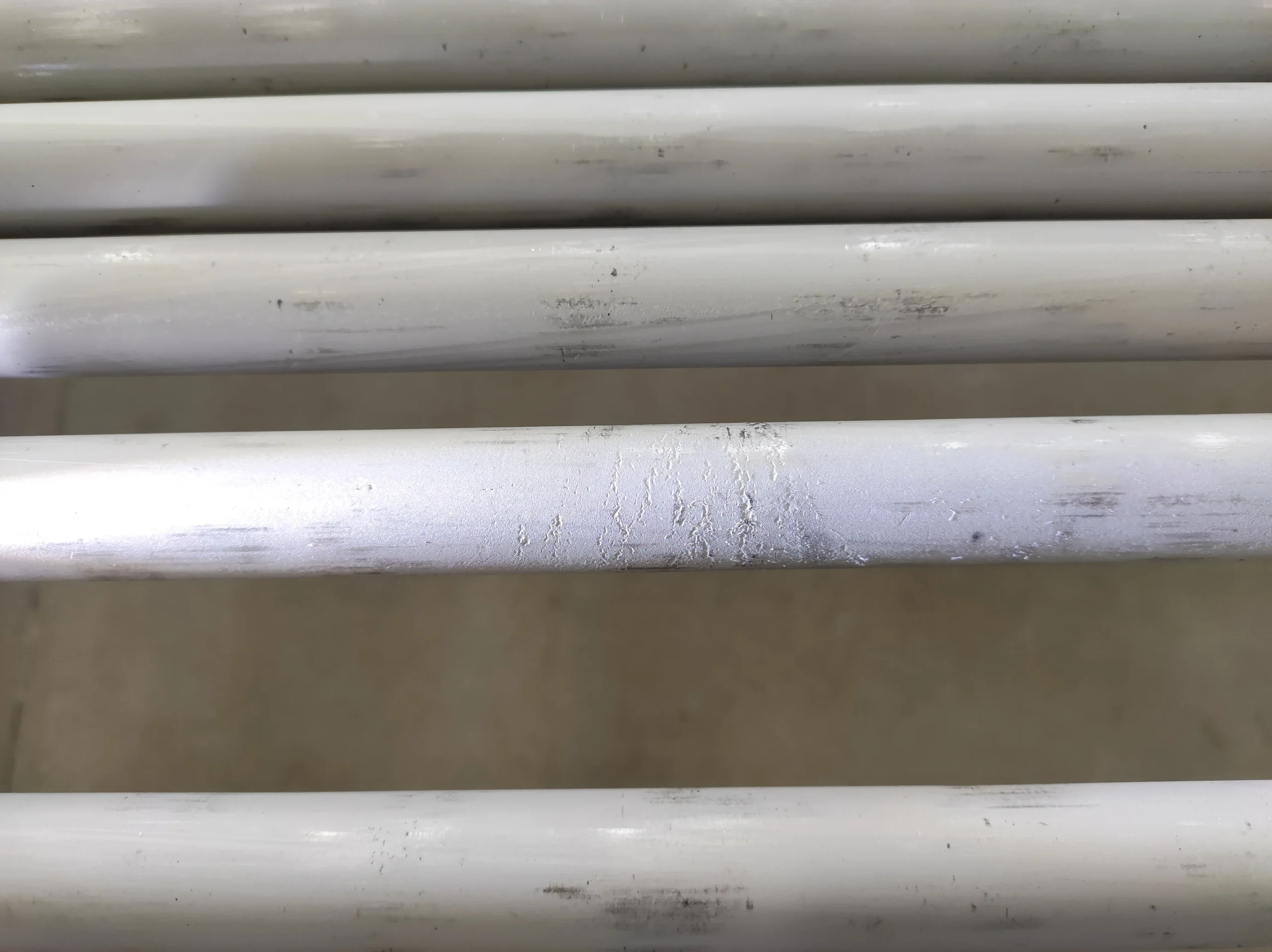
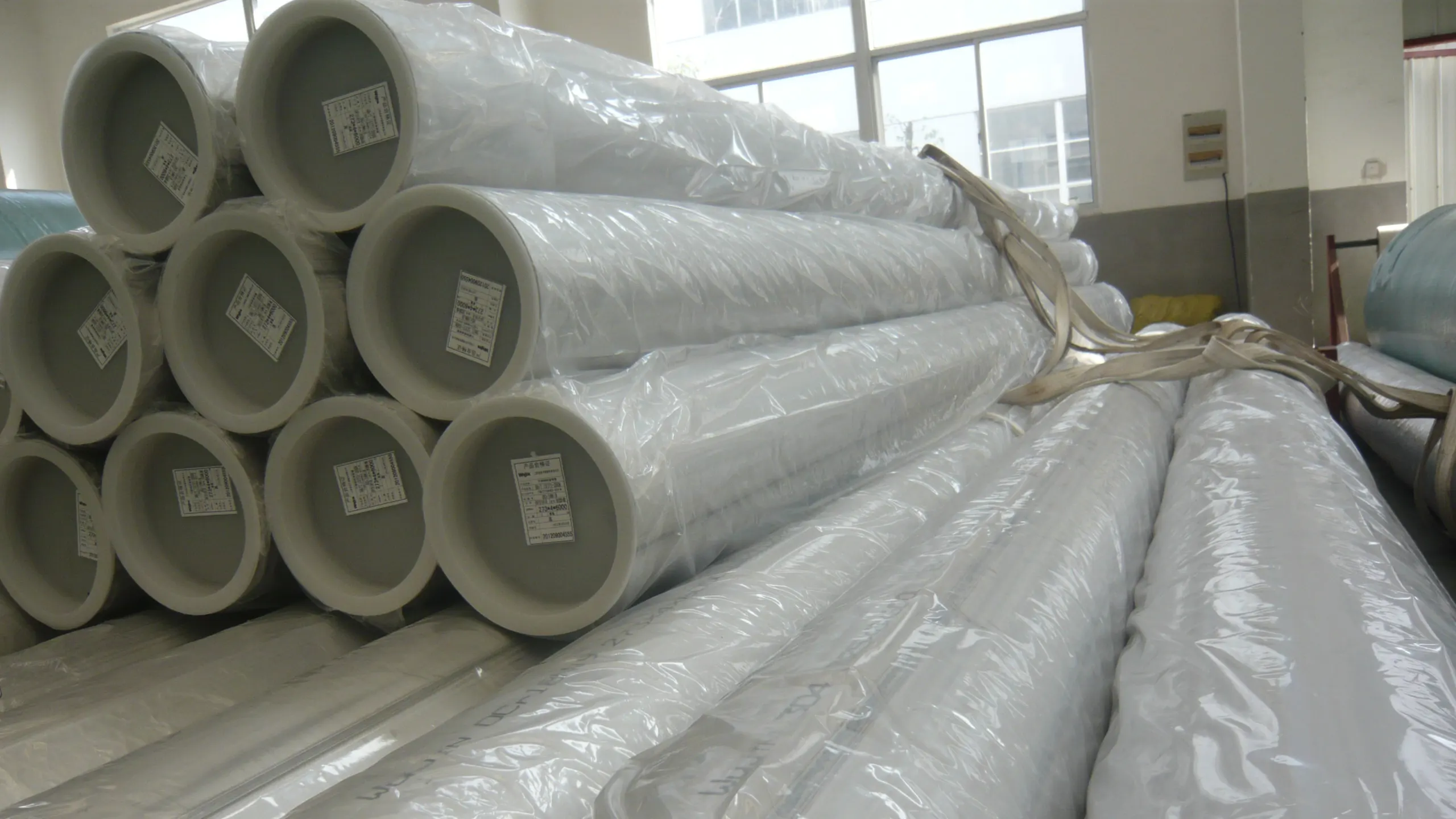
Resistência à corrosão is the most fundamental characteristic of aço inoxidável.The corrosion resistance of tubos de aço inoxidável e acessórios enables their application in most scenarios.It is precisely this property that makes the material indispensable in countless industrial and consumer applications.Does stainless steel rust?Achieving and maintaining this corrosion resistance requires a thorough understanding of the alloy’s chemical composition and the operating environment.
The Mechanism Behind Corrosion Resistance
The exceptional properties of stainless steel stem from a natural phenomenon known as passivation.This mechanism involves a chemical reaction between chromium and oxygen.
- Chromium’s Role:
Stainless steel contains a minimum of 10.5% cromo. - Passive Film Formation:
When chromium is exposed to air or water,it instantly forms a thin,transparent layer of chromium oxide(Cr2O3). - Self-Healing:
This protective film is non-porous and highly stable.If the surface is scratched,the film regenerates itself immediately,provided oxygen is available.This self-healing ability gives the material its stainless quality.
O que fazemos
- Placa
- Folha
- Forjados
- Barra redonda
- Mesa
- Tubos
- Conexões
- Personalizado
Entre em contato conosco para obter mais informações
Factors That Compromise Corrosion Resistance
While stainless steel is highly resistant,it is not immune to all forms of attack.Certain conditions can breach the passive layer,leading to localized corrosion.Engineers must recognize these threats to prevent failure.
High levels of chloride ions,common in saltwater or bleach,are highly destructive.Cloretos chemically break down the passive film locally.This leads directly to corrosão e corrosão em fendas.
Stagnant areas(such as gaskets or bolted joints)impede oxygen access to the surface.Under oxygen-deprived conditions,the passivation film cannot self-repair,thereby accelerating localized corrosion in these areas.
Elevated temperatures increase the rate of chemical reactions.Exceeding the material’s Critical Pitting Temperature (CPT) significantly increases vulnerability.
Embedded aço carbono or iron particles from cutting tools can transfer onto the stainless surface.These particles rust easily.This process consumes local oxygen,leading to failure of the passive layer underneath.
Enhancing Corrosion Resistance Through Grade Selection
Material selection is the most crucial step in ensuring long-term performance.Specific alloying elements are added to tailor the steel for extreme conditions.
- Molybdenum(Mo):
Adding Molibdênio dramatically improves resistance to pitting and crevice corrosion,especially in chloride environments.Grau 316,which contains Molybdenum,is far superior to 304 no marine or chemical settings. - Nickel (Ni):
Nickel stabilizes the austenitic structure.This increases toughness and overall resistance to stress corrosion cracking (SCC). - Nitrogen (N):
Nitrogen enhances strength and further improves pitting resistance.This element is essential in high-performance Duplex stainless steels.
The Role of PREN in Predicting Performance
o Pitting Resistance Equivalent Number (PREN) is a widely accepted tool.It allows engineers to predict the relative resistance of different stainless steel grades to localized attack.
PREN = %Cr + 3.3(%Mo) + 16(%N)
A higher PREN value indicates greater Corrosion Resistance.For example, standard 316L has a PREN of approximately 25. Super Duplex 2507 often exceeds 40. This means Super Duplex is required for aggressive offshore or chemical processing applications.
Fabrication and Maintenance Best Practices
Fabrication quality directly impacts the final corrosion resistance of the component.Our operational experience shows these steps are critical:
- Strict Segregation:
Be sure to store stainless steel tools separately from carbon steel tools to prevent surface contamination. - Pickling and Passivation:
After welding,the weld area is often chemically damaged (sensitized).Chemical treatment (pickling) removes the damaged layer.Passivation then rebuilds the passive layer fully. - Regular Cleaning:
Regular surface cleaning removes corrosive deposits such as salt and grime,thereby preventing localized chemical buildup that could compromise the passivation layer.
Corrosion Resistance in Common Stainless Steel Grades
| Grade (ASTM) | Key Alloys | PREN Value (Typical) | Primary Application |
|---|---|---|---|
| 304/304L | Cr, Ni | 18 | General industrial, Food processing |
| 316/316L | Cr, Ni, Mo | 25 | Mild marine, Chemical processing |
| 2205 (Duplex) | Cr, Ni, Mo, N | 35 | High-strength piping, Stress corrosion resistance |
| 2507 (Super Duplex) | High Cr, Mo, N | 42 | Offshore platforms, Desalination plants |
Methods to Test Corrosion Resistance
| Test Method (ASTM) | Finalidade | Material Failure Indicated |
|---|---|---|
| G48 | Measures Pitting/Crevice Resistance | Weight loss, pit density |
| A262 Practice E | Intergranular Corrosion (Weld Test) | Sensitization (Chromium depletion) |
| G39 | Rachadura por corrosão sob tensão (SCC) | Time to fracture under tension |
Contate-nos
- RM901 No.22 Tangjiaqiao Road Wenzhou China
- +86 577 8551 1171
- [email protected]
- https://www.kaysuns.com/