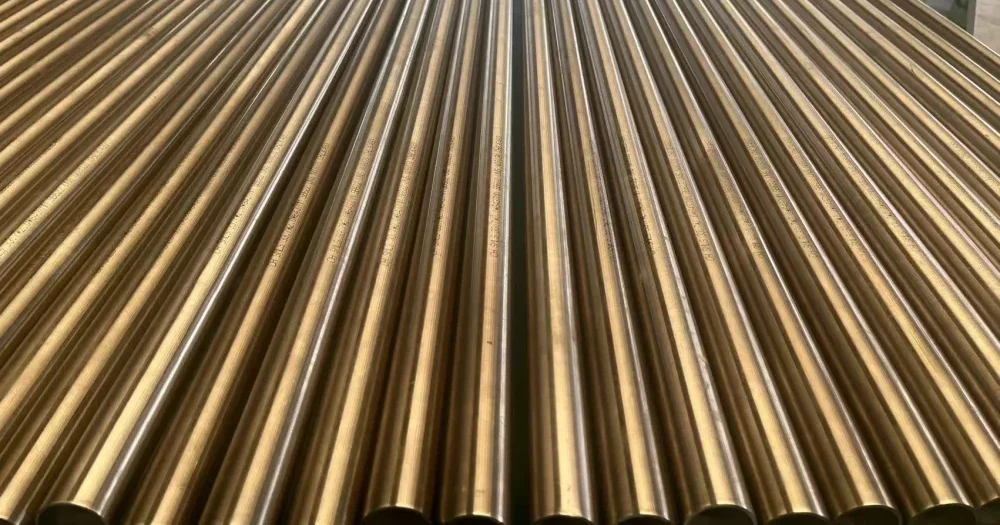
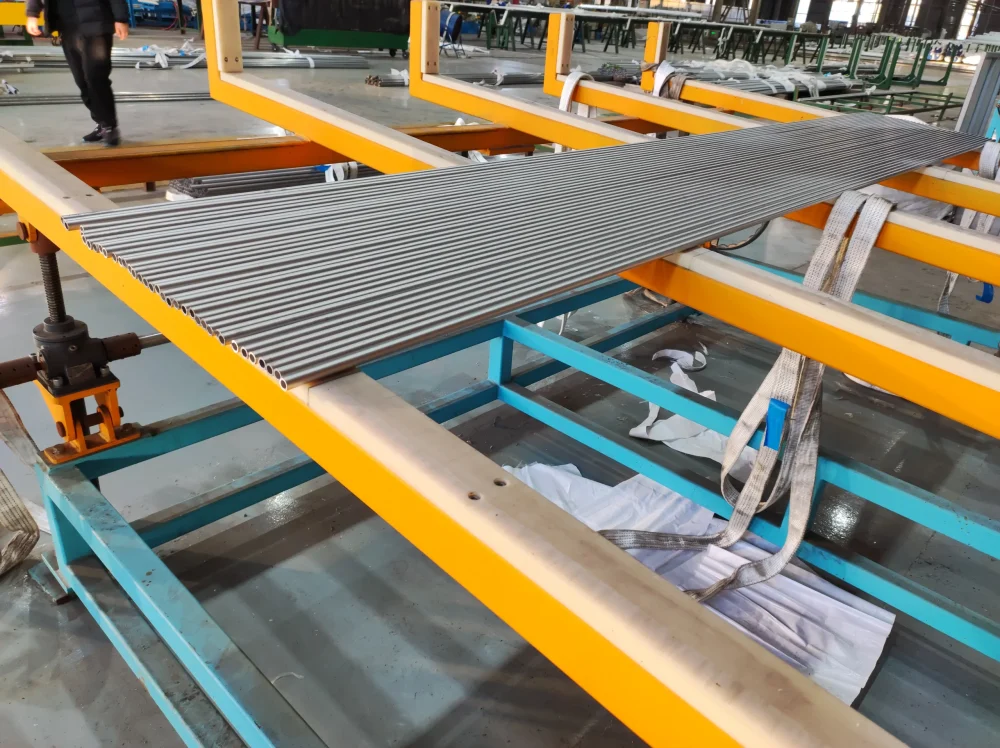
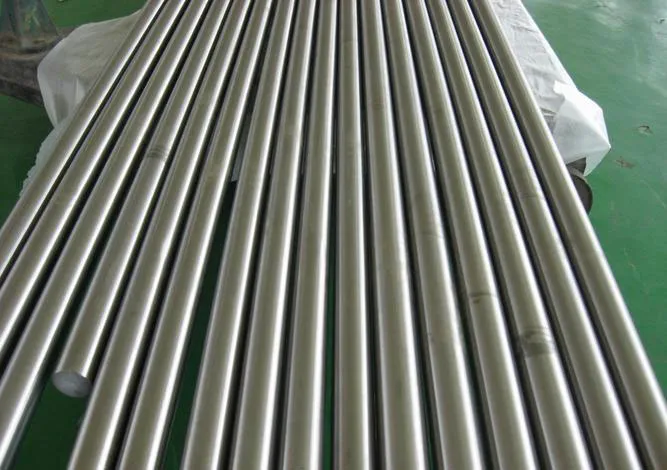
Fabricant de brides en acier inoxydable 316Ti
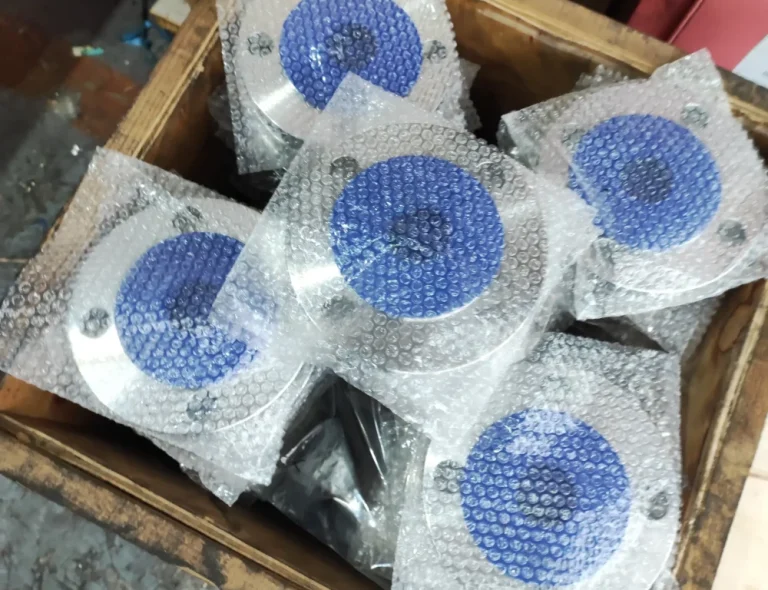
Composition chimique des brides en acier inoxydable 316Ti
| C | Ti | Cr | Ni | Mo | Mn | Si | P | S | N | Fe |
|---|---|---|---|---|---|---|---|---|---|---|
| ≤ 0,08% | 5 × (C + N) Min - 0,7% Max | 16.0% - 18.0% | 10.0% - 14.0% | 2.0% - 3.0% | ≤ 2.0% | ≤ 0,75% | ≤ 0,045% | ≤ 0,03% | ≤ 0,10% | Équilibre |
Analyse technique des éléments clés
- La formule de stabilisation du titane :
La partie la plus critique de la chimie du 316Ti est le rapport entre le titane et le carbone. Selon les normes internationales, la teneur en Ti doit être au moins 5 fois supérieure à la quantité de carbone (Ti ≥ 5 × CCela garantit que le titane capture tous les atomes de carbone pour former des carbures de titane, laissant le chrome libre de protéger le métal contre la rouille. - Comparaison avec le 316L :
Alors que le 316L repose sur une teneur en carbone extrêmement faible Cependant, le 316Ti est physiquement plus résistant à des températures supérieures à 500°C que le 316L.
Vous avez un besoin ?
Contactez-nous pour plus d'informations
Propriétés mécaniques des brides en acier inoxydable 316Ti
| Résistance à la traction | Limite d'élasticité, 0.2% | Élongation | Dureté |
|---|---|---|---|
| ≥ 515 MPa | ≥ 205 MPa | ≥ 30% | ≤ 217 HBW |
Avantages en termes de performances à haute température
316Ti est recommandé pour une utilisation dans des environnements allant de 425°C à 815°C (800°F à 1500°F).
A des températures supérieures à 500°C, la limite d'élasticité du 316Ti est environ 10-15% plus élevée que celle du 316L. La formation de carbures de titane empêche non seulement la corrosion mais fournit également un degré de renforcement de la dispersion, améliorant la stabilité structurelle du matériau à la chaleur.
316/316Ti Double résistance/Certification
Le 316Ti peut-il faire l'objet d'une double certification avec le 316L ?
L'acier inoxydable 316L repose sur une teneur en carbone extrêmement faible (≤ 0,03%). 316Ti, en revanche, permet une teneur en carbone plus élevée (jusqu'à 0,08%) parce qu'il utilise du titane pour “verrouiller” le carbone.
En outre, comme le 316Ti contient du titane, de nombreuses spécifications de projet interdisent strictement de l'appeler “316L”, à moins que l'ingénieur de l'utilisateur final n'autorise spécifiquement la teneur en titane ou n'en tienne pas compte, ce qui est rare.
Types de certification “double/multi” courants pour le 316Ti
ASTM A182 F316Ti / EN 1.4571 est le marquage “double” le plus courant. Il indique que la bride répond aux exigences en matière de propriétés chimiques et mécaniques des normes de forgeage américaines et des normes européennes relatives aux aciers inoxydables.
Dans certains cas, une bride peut répondre aux exigences de résistance mécanique plus élevées de la norme 316 tout en contenant le titane nécessaire à la certification 316Ti. On parle alors de certification 316/316Ti.
| Indicateurs | 316 Exigences | 316Ti Exigences | Performance en matière de double certification |
|---|---|---|---|
| Teneur en carbone | ≤ 0,08% | ≤ 0,08% | Typiquement entre 0,04% et 0,07% |
| Contenu en titane | Aucune exigence | ≥ 5x(C+N) | Il doit contenir une proportion déterminée de titane |
| Résistance à la traction | ≥ 515 MPa | ≥ 515 MPa | – |
| Limite d'élasticité | ≥ 205 MPa | ≥ 205 MPa | – |
4 Méthodes de fabrication des brides en acier inoxydable 316
Forgeage
Roulage de l'anneau
Découpage et usinage de tôles
Moulage centrifuge
Applications des brides en acier inoxydable 316Ti
- Systèmes d'échappement
- Échangeurs de chaleur
- Raffinage pétrochimique
- Industrie pharmaceutique
- Pâtes et papiers
- Désulfuration des gaz de combustion
- Production d'engrais
- Marine et Subsea
- Transformation des aliments
- Composants aérospatiaux
FAQ sur les brides en acier inoxydable 316Ti
Cela dépend de la température de fonctionnement.
Si vous travaillez à température ambiante ou à des températures faibles à modérées (< 400°C),316L offre une meilleure finition de surface et est plus facilement disponible, ce qui en fait le choix standard pour les tuyauteries soudées.
Si votre équipement doit fonctionner en continu à des températures élevées (400°C-800°C), le 316L subit une baisse significative de résistance à de telles températures élevées soutenues, alors que le 316L est plus résistant. 316Ti’La conception du titane stabilisé garantit la résistance à la corrosion et la résistance mécanique à des températures élevées.
Ceci est principalement dû à des conventions historiques au sein du système de normes.
Le 316Ti est issu de la norme allemande (DIN 1.4571) et est largement utilisé dans les industries pétrochimiques et lourdes européennes.
Les normes américaines (ASTM/AISI) tendent à traiter les problèmes de corrosion en réduisant la teneur en carbone (c.-à-d. 316L). Cependant, 316Ti reste largement reconnu dans les codes ASME couvrant les applications à haute température et à haute pression.
En raison de l'ajout de titane, de minuscules particules dures de carbures de titane se forment dans l'acier au cours du processus d'usinage.
Lors du polissage d'un miroir très brillant, ces particules dures peuvent provoquer l'apparition de stries extrêmement fines sur la surface.
Il ne s'agit pas d'un défaut de qualité et cela n'affecte pas la résistance à la corrosion ; cependant, dans les industries telles que les produits pharmaceutiques où les exigences en matière de rugosité de surface sont extrêmement strictes, c'est typiquement la raison pour laquelle le 316L est préféré au 316Ti.
Lorsque vous nous demandez un devis ou que vous passez un ordre d'achat, veuillez fournir les informations suivantes :
Type de bride + RF/RTJ/FF + Grade (y compris le tube SCH pour les brides WN et SW) + Taille + Matériau + Norme + Quantité commandée
Par exemple, si vous souhaitez acheter 100 brides à col soudé à face surélevée pour votre système, avec une taille de tuyau de 8 pouces SCH40S, une pression nominale de 300, un matériau en acier inoxydable 316Ti et une conception de tuyau conforme aux normes ASME, la description du produit sera la suivante :
Bride WNRF,8 pouces,300 psi,SCH40S,A182 F316Ti,ASME B16.5,100 pièces
Nous contacter
- RM901 No.22 Tangjiaqiao Road Wenzhou Chine
- +86 577 8551 1171
- [email protected]
- https://www.kaysuns.com/