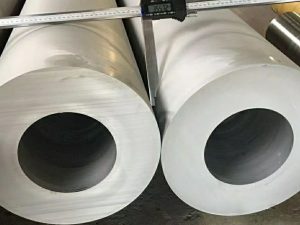
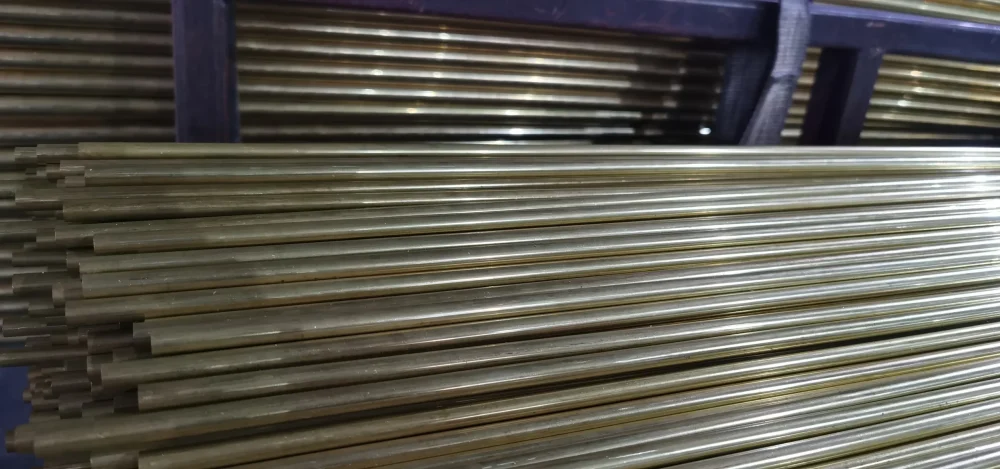
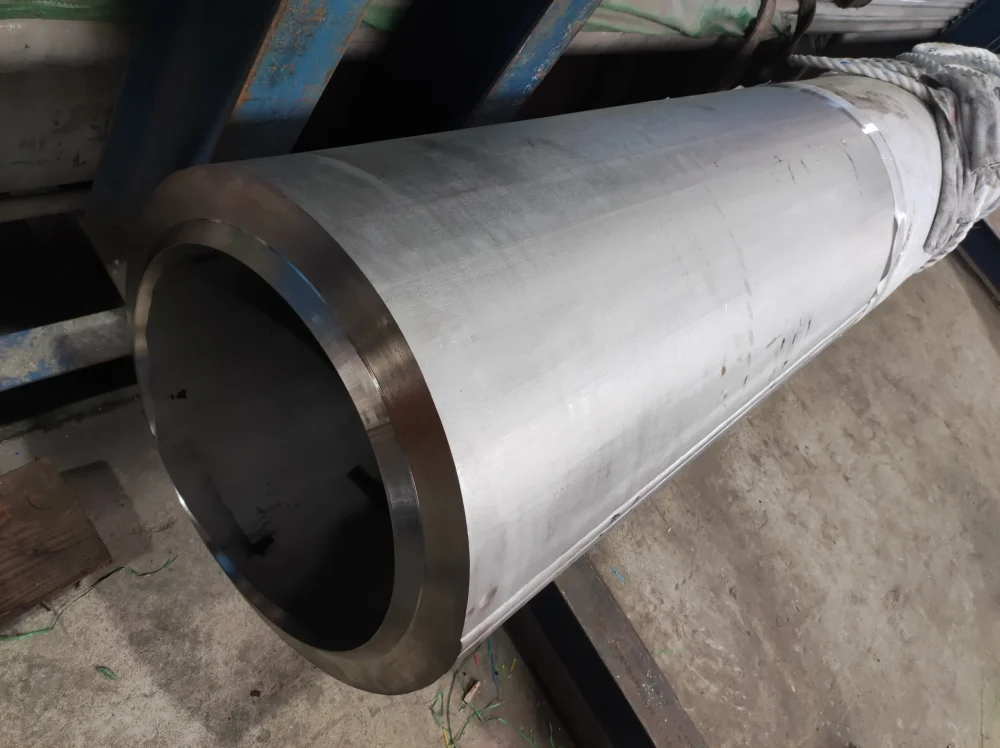
The primary enemy of stainless steel is a chemical process called localized corrosion.While this material resists rust,it is certainly not invincible.Most industrial failures happen because engineers underestimate environmental threats.This guide will outline the specific factors that cause damage to stainless steel alloys and provide a comprehensive set of solutions to effectively protect your tubos de acero inoxidable.
Defining the Chemical Enemy of Stainless Steel
Chlorides represent the most aggressive chemical enemy of stainless steel in 2026.Salt,bleach,and industrial chemicals contain high concentrations of chloride ions.These tiny ions attack the protective chromium oxide layer on the metal surface.Once this thin layer breaks,the metal begins to pit rapidly.Pitting creates tiny,deep holes that compromise structural integrity completely.
Qué hacemos
- Plato
- Hoja
- Piezas forjadas
- Barra redonda
- Brida
- Tuberías
- Accesorios
- Personalizado
Más información
Silent Enemy of Stainless Steel:Iron Contamination
Surface contamination serves as a dangerous and silent enemy of stainless steel during fabrication.If you use carbon steel tools on stainless pipes,iron particles transfer over.These foreign iron particles rust immediately when they touch moisture.This rust then spreads deep into the stainless steel substrate.Eventually,the entire section loses its corrosion resistance and fails.
Hidden Enemy of Stainless Steel:Galvanic Corrosion
Connecting different metals creates a hidden enemy of stainless steel called galvanic corrosion.When stainless steel touches copper or aluminum in a wet environment,a battery forms.Electrons flow between the metals,causing the “weaker” metal to dissolve.Sometimes,the stainless steel itself becomes the victim of this electrical flow.
To prevent this,you should use rubber gaskets or plastic insulators.Insulation breaks the electrical circuit and stops the corrosion process instantly.Always verify your metal compatibility before starting a complex installation.
| Threat Agent | Common Source | Primary Damage Type | Severity Level |
|---|---|---|---|
| Cloruros | Seawater, Salt Spray | Deep Pitting | Extremely High |
| Ácido nítrico | Procesamiento químico | General Thinning | Moderado |
| Ácido sulfúrico | Industrial Waste | Surface Etching | Alta |
| Hypochlorites | Cleaning Bleach | Corrosión por grietas | Alta |
Combating the Physical Enemy of Stainless Steel
Rough surface finishes act as a physical enemy of stainless steel over time.Smooth,polished surfaces allow water and chemicals to slide off easily.Conversely,rough surfaces trap moisture and dirt in tiny microscopic valleys.These trapped particles create “crevice corrosion” which eats through the pipe wall.
Maintaining a high-quality surface finish is a critical protective measure.Regular polishing and cleaning ensure that metal surfaces remain bright and in good condition.A smooth surface provides the best defense against environmental corrosion.
The Role of Oxygen Depletion
In still water systems,oxygen deficiency is actually a silent killer of stainless steel.Stainless steel needs oxygen to rebuild its protective chromium oxide layer.If water stops moving, oxygen levels drop significantly in tight spaces.Without oxygen,the metal cannot “heal” itself after a minor scratch.This leads to rapid decay inside joints and under tight gaskets.Therefore,you must ensure constant fluid flow or regular aeration.Keeping oxygen available allows the metal to maintain its natural shield.
Material Grade Resilience Comparison
| Stainless Grade | Resistencia a los cloruros | Resistance to Acids | El mejor caso de uso |
|---|---|---|---|
| 304L Grade | Bajo | Moderado | Indoor Furniture |
| 316L Grade | Moderado | Alta | Marine Hardware |
| Duplex Steel | Alta | Extremely High | Offshore Oil Rigs |
| Super Duplex | Extremely High | Ultimate | Chemical Reactors |
Temperature Extremes and Stress
Extreme heat serves as a structural enemy of stainless steel in high-pressure boilers.High temperatures can cause “sensitization” in standard stainless steel grades.During this process,chromium precipitates out of the grain boundaries.This leaves the metal vulnerable to intergranular corrosion along the welds.Special “L” grades like Tubos de acero inoxidable 316L help prevent this specific chemical change.Additionally,thermal expansion can crack pipes if you do not allow for movement.Proper engineering design accounts for these intense temperature fluctuations.
Biological Enemy of Stainless Steel
Living organisms can also be a biological enemy of stainless steel.Certain bacteria thrive in industrial cooling water and produce acidic waste.This waste creates highly localized acidic environments that eat the metal.We call this process Microbiologically Influenced Corrosion (MIC).To stop this,you must treat your water with effective biocides.Regular system flushing also prevents bacteria from building large,dangerous colonies.
Professional Prevention and Solution Set
| Preventive Step | Action Required | Expected Outcome | Frequency |
|---|---|---|---|
| Pasivación | Nitric Acid Bath | Rebuilds Protective Layer | After Welding |
| Decapado | Chemical Paste | Removes Heat Tint | After Welding |
| Routine Wash | Fresh Water Rinse | Removes Salt Deposits | Monthly |
| Elección del material | Grade Upgrading | Prevents Pitting | At Design Stage |
Contacto
Póngase en contacto con nosotros
- RM901 No.22 Tangjiaqiao Road Wenzhou China
- +86 577 8551 1171
- [email protected]
- https://www.kaysuns.com/
Encuéntranos