Pular para o conteúdo
Início » Conhecimento » What is Incoloy? A Comprehensive Guide to High-Performance Alloys

What is Incoloy? A Comprehensive Guide to High-Performance Alloys

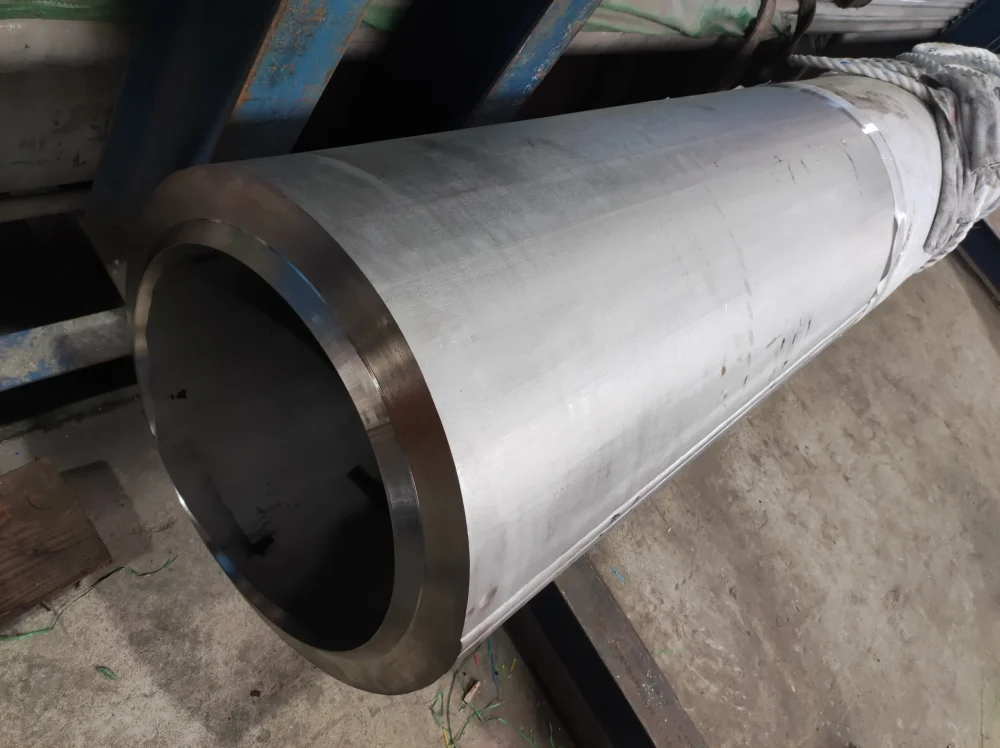
    Incoloy refers to a family of high-performance nickel-iron-chromium alloys designed for extreme environments.These alloys offer a perfect balance between corrosion resistance and structural strength at high temperatures.Engineers across the globe specify these materials for the most demanding applications in the world.Specifically,this alloy excels in the manufacturing of alloy pipes, heavy-duty flanges, and specialized acessórios para tubos. By choosing the right grade, industries can ensure their piping systems remain durable under intense thermal and chemical stress.

    The Unique Composition of Incoloy

    The primary strength of this alloy comes from its specific chemical matrix.While it belongs to the nickel alloy group,it contains a significant amount of iron.This iron content makes the material more cost-effective than pure nickel-based superalloys like Inconel.However,the high chromium and nickel levels ensure it retains a powerful passive layer.This layer protects the metal from oxidation and carburization.
    Furthermore,many grades include additions of copper,molybdenum and titanium.These elements enhance the material’s resistance to specific threats like sulfuric acid or localized pitting.Because of this versatility,it has become a staple in the chemical processing and nuclear power industries.

    O que fazemos

    • Placa
    • Folha
    • Forjados
    • Barra redonda
    • Mesa
    • Tubos
    • Conexões
    • Personalizado

    Entre em contato conosco para obter mais informações 

    Common Incoloy Grades Used in Piping Systems

    • Incoloy 800:
      The base grade,ideal for high-temperature service where resistance to oxidation is required.
    • Incoloy 800H/800HT:
      These versions have controlled carbon levels for better creep-rupture strength.
    • Incoloy 825:
      This grade contains added molybdenum and copper.It provides excellent resistance to “sour” environments and aqueous corrosion.

    Comparison of Technical Specifications

    PropriedadeIncoloy 800Incoloy 800H/HTIncoloy 825
    Benefício principalGeneral Heat ResistanceResistência a altas temperaturasAcid & Aqueous Corrosion
    Max Service TempUp to 1100℃(2012℉)Up to 1100℃(higher stress)Up to 540℃(1004℉)
    Aplicativo comumTrocadores de calorPetrochemical Furnace TubesChemical Processing Pipes
    Key Element AddNone (standard)Controlled Carbon/Al/TiMolybdenum & Copper

    Incoloy vs. Stainless Steel

    Why would an engineer choose this expensive alloy over standard 316L stainless steel?The answer lies in “Stress Corrosion Cracking”.Standard austenitic steels often fail in chloride-rich environments under tension.However,the high nickel content in this alloy provides near-immunity to chloride SCC.
    Additionally,standard steels lose their mechanical integrity above 500℃(932℉).In contrast,this material maintains its shape and load-bearing capacity even when red-hot.This makes it the preferred choice for pipe fittings in steam generators and flare tips.

    Application in Flanges and High-Pressure Connections

    In a piping system,the flange joint is often the weakest point.Using this alloy for flanges ensures the seal remains tight during thermal cycling.Because the material has a predictable rate of thermal expansion,it prevents bolt loosening.
    Moreover, its resistance to “sour gas” (H2S) makes it ideal for offshore oil and gas flanges.When combined with ASME PCC-1 assembly standards,these components provide a leak-free service life that lasts decades.This reliability reduces the need for frequent maintenance and prevents hazardous leaks.

    Chemical Resistance Overview

    Meio ambienteAço inoxidável 316LIncoloy 825Nickel Alloy 625
    Ácido SulfúricoRuimExcelenteBom
    Phosphoric AcidModeradoExcelenteExcelente
    Sea WaterModerate (Risk of Pitting)Muito bomExcelente
    Sour Gas (H2S)Risk of SCCImmune to most levelsExcelente

    Considerações sobre fabricação e soldagem

    Working with this material requires professional expertise.Although it is weldable,technicians must use the correct filler metals to avoid “Hot Cracking.”Typically,welders use Inconel-type filler wires to ensure the weld joint is as strong as the pipe itself.

    Furthermore,surface cleanliness is paramount.Any grease or sulfur-containing oils on the metal surface can cause embrittlement during welding.Therefore,fabricators must perform thorough solvent cleaning before starting any thermal process.This attention to detail preserves the alloy’s integrity and ensures the safety of the entire system.

    Preventing High-Temperature Embrittlement

    One major concern in thermal piping is the formation of brittle phases.Standard stainless steels can become fragile after thousands of hours at high heat.However,Incoloy alloys are specifically “titanium-stabilized.”
    This stabilization prevents the precipitation of chromium carbides at the grain boundaries.Consequently,the pipe fittings remain ductile and tough.This structural stability is why engineers prefer 800H for steam methane reformers and other furnace internal components.

    Superior Resistance to Chloride Stress Corrosion Cracking

    In offshore and coastal environments,chloride-induced SCC is a “silent killer” of piping systems.Standard 316L stainless steel often cracks when exposed to salt spray and high stress.Incoloy 825 solves this problem through its unique nickel content.
    With a nickel concentration of approximately 38-46%,the alloy becomes virtually immune to chloride-related cracking.This makes it a reliable choice for sea-water cooled trocadores de calor and oil-well tubing.By using this material for your flange joint, you eliminate the risk of sudden,catastrophic leakage caused by environmental stress.

    Economic Value: Analyzing Life Cycle Cost

    When selecting materials for a pipe network,the initial price tag is only one factor.Savvy managers look at the “Life Cycle Cost.”While Incoloy components cost more upfront than carbon steel,they offer:

    • Reduced Downtime:
      Fewer failures mean your plant stays operational longer.
    • Minimal Maintenance:
      You don’t need expensive coating systems or constant chemical inhibitors.
    • Extended Asset Life:
      A system built with high-performance alloys can last 30+ years compared to 5-10 years for lower-grade materials.
    Fator de custoAço carbonoAço inoxidável 316LIncoloy 825
    Initial Material CostBaixaModeradoAlta
    Installation CostModeradoModeradoModerate-High
    Necessidade de manutençãoMuito altaModeradoMuito baixo
    Service LifeShortModeradoVery Long

    Contate-nos

    Entre em contato
    Encontre-nos
    logotipo de Kaysuns

    Bem-vindo ao nosso contato

    Fornecimento de
    Material de tubulação inoxidável e de liga

    • Precisa de uma oferta?
    • Deseja saber a dimensão / catálogo?
    • Falar sobre os problemas técnicos?

    Sinta-se à vontade para entrar em contato conosco e teremos o maior prazer em responder a todas as suas perguntas.

    Obtenha uma cotação gratuita agora

    small_c_popup.png

    Obtenha um orçamento gratuito agora

    Deseja saber mais? Entre em contato conosco

    Responderemos dentro de 24 horas. Obrigado!