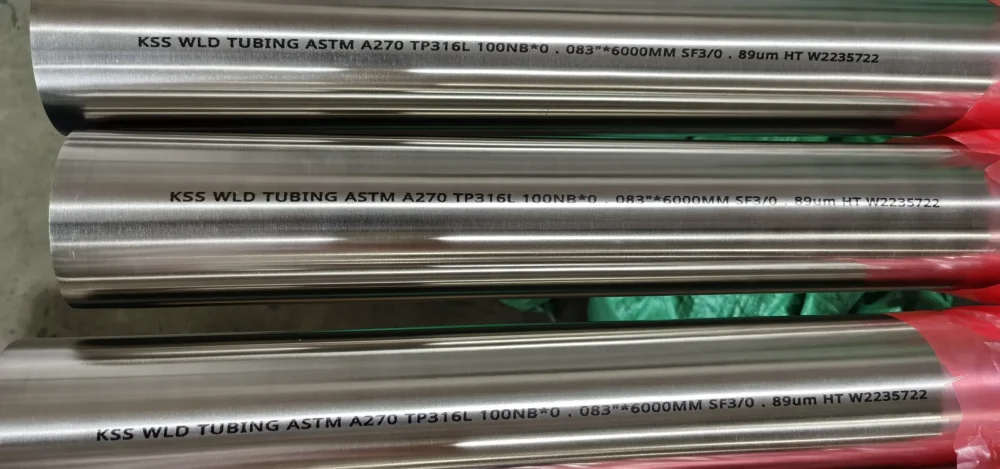
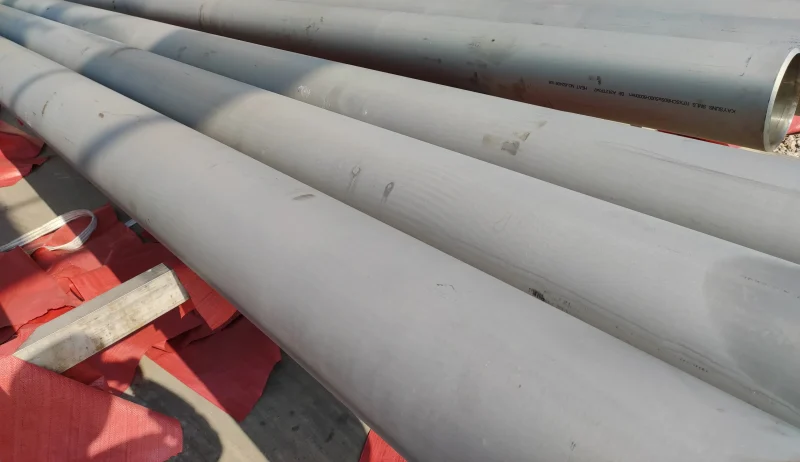
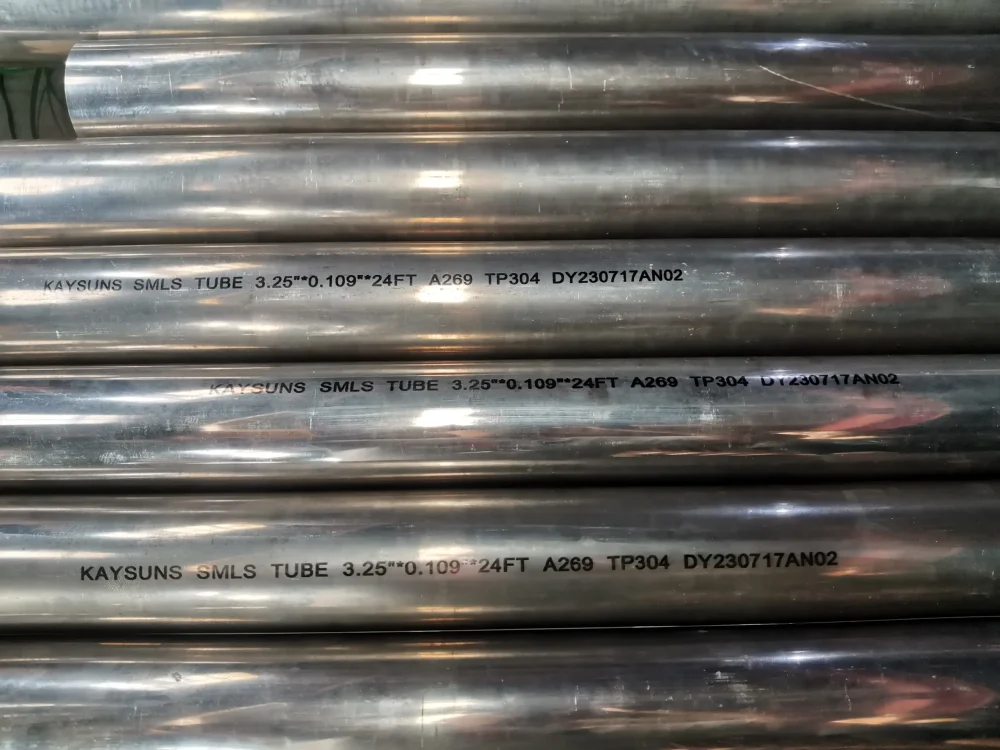
Liga 20 vs. 28,Embora ambos os materiais pertençam à família do aço inoxidável de alto desempenho, eles travam “batalhas” químicas diferentes.”
Se a escolha for incorreta, você corre o risco de sofrer rachaduras prematuras por corrosão sob tensão ou corrosão localizada. Este guia detalha as diferenças químicas, mecânicas e práticas entre essas duas potências.
Se a escolha for incorreta, você corre o risco de sofrer rachaduras prematuras por corrosão sob tensão ou corrosão localizada. Este guia detalha as diferenças químicas, mecânicas e práticas entre essas duas potências.
Entendendo o Alloy 20
A Liga 20 (UNS N08020) ganhou o apelido de “Liga de Ácido Sulfúrico” por um bom motivo: os cientistas desenvolveram especificamente esse material estabilizado com nióbio para resistir ao ácido sulfúrico em ebulição.
Em uma rede de tubulação típica, o Alloy 20 é a escolha ideal para o processamento químico e a produção de alimentos. Seu alto teor de níquel evita rachaduras por corrosão sob tensão induzidas por cloreto. Além disso, a adição de cobre proporciona uma defesa exclusiva contra ácidos agressivos. Para os projetistas de acessórios para tubos de aço inoxidável, o Alloy 20 oferece uma solução confiável para o transporte de ácidos de concentração média a alta.
Entendendo a liga 28
A Alloy 28 (UNS N08028) é um aço inoxidável austenítico de alta liga trabalhado a frio. Enquanto a Alloy 20 se concentra em ácidos, a Alloy 28 prospera em poços profundos e ”ácidos” de petróleo e gás.
No mundo dos tubos de aço inoxidável, o Alloy 28 aparece com frequência em tubulações de fundo de poço e trocadores de calor. Ele lida com ambientes de alta pressão onde o sulfeto de hidrogênio (H2Se o seu sistema enfrenta condições de mar profundo ou produção complexa de ácido fosfórico, o Alloy 28 é o candidato mais forte.
O que fazemos
- Placa
- Folha
- Forjados
- Barra redonda
- Mesa
- Tubos
- Conexões
- Personalizado
Entre em contato conosco para obter mais informações
Quando escolher o Alloy 20
- Processamento de ácido sulfúrico
- Linhas alimentícias e farmacêuticas
- Fabricação complexa
- Requisito de estabilização de nióbio
Quando escolher a liga 28
- Ambientes de gás ácido
- Produção de ácido fosfórico
- Trocadores de calor de água do mar
- Tubulação de alta pressão
Liga 20 VS 28: comparação de composição química
| Elemento (%) | Liga 20 (UNS N08020) | Liga 28 (UNS N08028) |
|---|---|---|
| Ni | 32.5 - 35 | 30 - 32 |
| Cr | 19 - 21 | 26 - 28 |
| Fe | Equilíbrio (~ 33) | Equilíbrio (~ 35) |
| Mo | 2 - 3 | 3 - 4 |
| Cu | 3 - 4 | 0.6 - 1.4 |
Liga 20 VS 28: pressão e mecânica
A liga 28 é frequentemente submetida a trabalho a frio para aumentar suas propriedades mecânicas, o que a torna ideal para tubos de alta pressão, nos quais a espessura da parede deve ser minimizada. Por outro lado, a liga 20 mantém um perfil de resistência austenítica mais padrão, sendo mais fácil de formar acessórios complexos para tubos de aço inoxidável, como tês e redutores.
Além disso, as taxas de expansão térmica diferem ligeiramente. Ao projetar uma junta de flange, você deve garantir que suas gaxetas e parafusos possam suportar o ciclo térmico dessas ligas. Como ambas têm alto teor de níquel, elas se expandem mais do que o aço carbono. Portanto, o uso dos padrões de montagem corretos, como o ASME PCC-1, é vital para uma conexão sem vazamentos.
Liga 20 VS 28: Comparação da resistência à corrosão
| Mídia Corrosiva | Liga preferida | Motivo da seleção |
|---|---|---|
| Ácido sulfúrico (H2SO4) | Liga 20 | Maior teor de cobre e níquel |
| Ácido nítrico (HNO3) | Desempenho estável em ácidos oxidantes | |
| Fluidos farmacêuticos | Excelente pureza e facilidade de limpeza | |
| Ácido fosfórico (H3PO4) | Liga 28 | Conteúdo superior de cromo (27%) |
| Gás ácido (H2S + Cl–) | Melhor resistência ao Pitting/SSC |
Liga 20 VS 28: Desafios de fabricação e soldagem
A soldagem de aço inoxidável dessas classes requer experiência profissional.Tubo de liga 20 é estabilizado com nióbio para evitar a “sensibilização” durante a soldagem, o que significa que você pode soldá-lo sem perder a resistência à corrosão na zona afetada pelo calor.
A liga 28 requer um controle cuidadoso do calor para evitar a formação de fases intermetálicas. Se o banho de solda ficar muito quente por muito tempo, o material pode se tornar quebradiço.
Os profissionais da Kaysuns costumam usar a soldagem TIG com gás argônio de alta pureza para o passe de raiz de um tubo de liga 28, o que garante que a camada passiva interna permaneça intacta, evitando futuras corrosões localizadas na junta.
Os profissionais da Kaysuns costumam usar a soldagem TIG com gás argônio de alta pureza para o passe de raiz de um tubo de liga 28, o que garante que a camada passiva interna permaneça intacta, evitando futuras corrosões localizadas na junta.
Liga 20 vs. 28: Comparação de PREN
Quando os engenheiros avaliam a liga 20 vs. 28 para ambientes com água do mar ou ricos em cloreto, eles observam o número equivalente de resistência à corrosão (PREN), uma fórmula que mede a resistência de uma liga a furos localizados.
PREN = Cr + 3,3 - Mo + 16 - N
A liga 28 normalmente apresenta um PREN de aproximadamente 38 a 40,enquanto o Alloy 20 fica em torno de 24 a 26.
Consequentemente, a Alloy 28 é significativamente melhor equipada para ambientes em que depósitos de sal ou fluidos estagnados podem causar rupturas localizadas na camada passiva. Se o seu sistema de tubulação lida com trocadores de calor resfriados por água do mar, o PREN mais alto da Alloy 28 é essencial para a segurança a longo prazo.
Consequentemente, a Alloy 28 é significativamente melhor equipada para ambientes em que depósitos de sal ou fluidos estagnados podem causar rupturas localizadas na camada passiva. Se o seu sistema de tubulação lida com trocadores de calor resfriados por água do mar, o PREN mais alto da Alloy 28 é essencial para a segurança a longo prazo.
Contate-nos
Entre em contato
- RM901 No.22 Tangjiaqiao Road Wenzhou China
- +86 577 8551 1171
- [email protected]
- https://www.kaysuns.com/
Encontre-nos