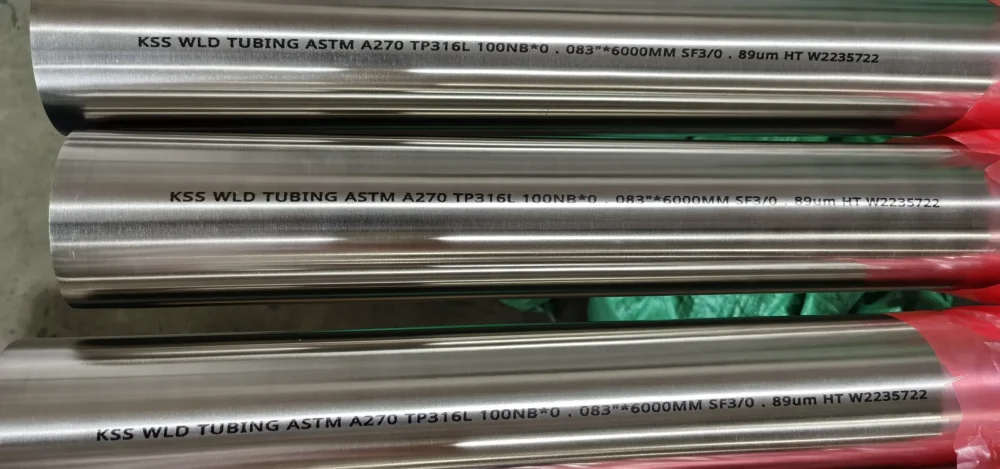
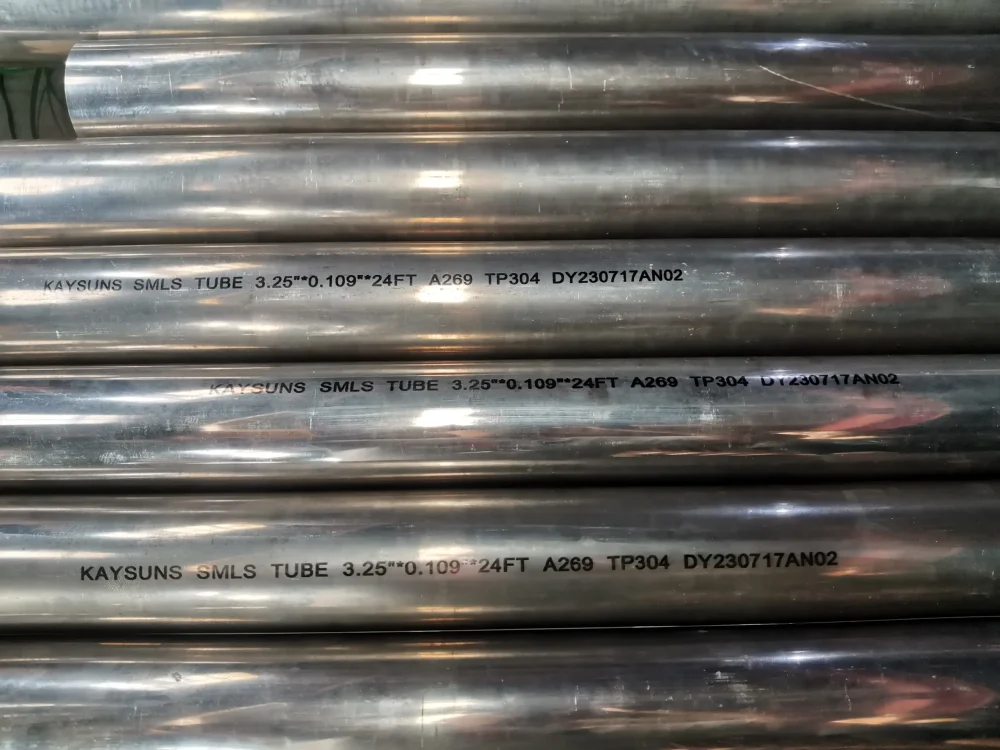
Soldagem de aço inoxidável Este guia explora os processos de soldagem mais comuns usados em tubos, conexões e flanges, com foco em soldagem TIG, MIG, SMAW e resistência.
A importância da precisão na soldagem de aço inoxidável
Ao trabalhar com aço inoxidável, você está protegendo uma delicada camada de óxido de cromo. Se o seu processo de soldagem introduzir muito calor, você corre o risco de “sensibilização”. Isso ocorre quando se formam carbonetos de cromo, deixando o metal vulnerável à ferrugem.
Trabalho de preparação para soldagem de aço inoxidável
- Limpeza absoluta:
Nunca utilize ferramentas usadas anteriormente em aço carbono, pois as partículas de ferro se incrustarão na superfície e causarão ferrugem. - Desengorduramento de superfícies:
Limpe a zona de solda com um solvente especializado, como a acetona, para remover óleos, impressões digitais e graxa que podem causar porosidade ou acúmulo de carbono. - Ajuste e alinhamento:
A solda de aderência adequada mantém as peças no lugar e evita o empenamento durante o passe de solda principal. - Configuração de purga posterior:
Para a soldagem de tubos, vede as extremidades do tubo e introduza gás argônio em seu interior, o que desloca o oxigênio e evita a formação de “açúcar” (oxidação pesada) na raiz interna da solda.
O que fazemos
- Placa
- Folha
- Forjados
- Barra redonda
- Mesa
- Tubos
- Conexões
- Personalizado
Entre em contato conosco para obter mais informações
Soldagem TIG (GTAW): o padrão do setor para tubulações
A soldagem com gás inerte de tungstênio (TIG), também conhecida como soldagem com arco de tungstênio a gás (GTAW), é o método mais comum para tubulações de alta qualidade.
Os engenheiros preferem a TIG para soldar aço inoxidável porque ela oferece um controle superior sobre o banho de solda. Essa precisão é essencial para o “passe de raiz” de uma junta de tubulação. Além disso, a TIG produz soldas limpas e estéticas, sem escória ou respingos.
Soldagem MIG (GMAW): velocidade e eficiência
A soldagem com gás inerte metálico (MIG), ou soldagem com arco metálico a gás (GMAW), é um processo semiautomático que utiliza um eletrodo de arame alimentado continuamente e um gás de proteção.
O MIG é muito mais rápido do que o TIG, o que o torna ideal para a produção de grandes volumes de tubos de aço inoxidável soldados.Entretanto, requer misturas de gases mais complexas, como argônio com pequenas quantidades de CO2 Embora a MIG seja eficiente para tubos de paredes espessas, os soldadores devem ter cuidado para evitar defeitos de “cold lap”. As configurações adequadas são cruciais para garantir que a solda se funda perfeitamente com o metal de base.
SMAW: a escolha confiável para o trabalho de campo
A soldagem a arco de metal blindado (SMAW), muitas vezes chamada de soldagem “Stick”, usa um eletrodo consumível revestido de fluxo, que, ao derreter, cria um escudo de gás e uma camada de escória para proteger a solda.
O SMAW continua sendo uma escolha popular para a soldagem de aço inoxidável em locais externos ou remotos. Como não requer tanques de gás externos, é altamente portátil. tubo de aço inoxidável.Se alguma escória ficar presa na solda, ela pode causar “inclusões”, que levam a vazamentos sob alta pressão.
Soldagem por resistência: precisão para tubos
A soldagem por resistência utiliza o calor gerado pela resistência elétrica para unir metais.
Não requer metal de enchimento ou gás de proteção.
Não requer metal de enchimento ou gás de proteção.
No setor de tubulações, os fabricantes usam a solda por resistência principalmente para costuras longitudinais em tubos de pequeno diâmetro, além de ser comum para fixar pequenos componentes em acessórios de tubos de aço inoxidável. O processo é extremamente rápido e consistente, pois geralmente é automatizado.
Comparação técnica dos métodos de soldagem
| Recurso | TIG (GTAW) | MIG (GMAW) | SMAW (bastão) | Soldagem por resistência |
|---|---|---|---|---|
| Precisão | Excelente | Bom | Moderado | Alta (localizada) |
| Velocidade | Baixa | Alta | Moderado | Muito alta |
| Uso comum | Passagem da raiz/tubos finos | Fabricação/Tubos grossos | Reparo de campo/externo | Tubos/chapas metálicas |
| Estética | Superior | Moderado | Ruim (escória) | Oculto/Limpo |
| Nível de habilidade | Alta | Moderado | Moderado | Acionado por máquina |
Dicas de especialistas para soldagem de aço inoxidável
- Gerencie o calor:
Use a menor amperagem possível para obter uma penetração total. Movimentar-se mais rapidamente com uma mão firme evita a “sensibilização”, em que o metal perde suas propriedades à prova de ferrugem. - Evitar a tecelagem:
Use “stringer beads” (linhas retas) em vez de padrões de tecelagem amplos, o que minimiza a zona afetada pelo calor (HAZ). - Verifique a cratera:
Sempre preencha a cratera da solda no final de um cordão. Se não for preenchida, pode ocorrer a formação de uma “trinca quente” em forma de estrela, causando um vazamento na junta do flange. - Mantenha a calma:
Use uma barra de resfriamento de cobre ou deixe o tubo esfriar entre as passagens para manter a temperatura entre passagens abaixo de 150℃(302℉).
Melhores práticas para soldagem de tubos de aço inoxidável
A obtenção de um resultado profissional exige mais do que apenas uma mão firme, pois é preciso seguir um fluxo de trabalho disciplinado.
Primeiro, certifique-se de que as bordas do seu tubo de aço inoxidável estejam chanfradas corretamente, o que permite a penetração total da solda.
Em segundo lugar, use a “purga traseira” para soldas TIG, o que envolve o preenchimento do interior do tubo com argônio para proteger a parte traseira da solda do oxigênio.
Primeiro, certifique-se de que as bordas do seu tubo de aço inoxidável estejam chanfradas corretamente, o que permite a penetração total da solda.
Em segundo lugar, use a “purga traseira” para soldas TIG, o que envolve o preenchimento do interior do tubo com argônio para proteger a parte traseira da solda do oxigênio.
Por fim, sempre faça a limpeza pós-soldagem. tonalidade térmica.Isso restaura a película de óxido de cromo, garantindo que o seu sistema permaneça resistente à corrosão. Sem essa etapa, até mesmo a melhor solda acabará enferrujando.
Gerenciamento da entrada de calor para resistência à corrosão
Ao soldar aço inoxidável, o controle da entrada de calor é tão importante quanto o próprio processo de soldagem. O calor excessivo desencadeia um fenômeno conhecido como “sensibilização”. Quando o cromo e o carbono se combinam em altas temperaturas, o metal circundante perde suas propriedades protetoras.
Para evitar isso, os profissionais da Kaysuns empregam a tecnologia de ’cordão de solda com chumbo“ e mantêm baixas temperaturas entre passes. Ao manter os tubos de aço inoxidável em temperaturas relativamente baixas entre os passes de solda, o equilíbrio químico da liga é preservado, o que garante que a zona afetada pelo calor (HAZ) tenha resistência à corrosão equivalente à do restante do sistema de tubulação.
O papel fundamental da purga de retorno na tubulação
A qualidade da raiz da solda interna é vital para um sistema de tubulação de alta pressão. Se o oxigênio estiver presente no interior do tubo durante a soldagem, a parte de trás da solda se oxidará muito, criando uma textura áspera e preta conhecida como “sugaring”.”
Esse processo envolve a vedação das extremidades da tubulação e o preenchimento do interior com um gás inerte, como o argônio. Esse gás desloca o oxigênio e permite que a raiz da solda se solidifique com um acabamento liso e limpo. Para setores como processamento de alimentos ou fabricação de semicondutores, uma solda interna lisa como espelho é um requisito obrigatório.
Limpeza e passivação da superfície pós-soldagem
Embora essas cores do arco-íris pareçam interessantes, elas representam, na verdade, uma camada passiva enfraquecida. Abaixo dessa cor, o teor de cromo é menor, tornando a área um ímã para a ferrugem.
| Método de limpeza | Eficácia | Melhor aplicativo |
|---|---|---|
| Escovação com fio inoxidável | Moderado | Remoção de oxidação leve/escória |
| Pasta de decapagem | Alta | Remoção da coloração térmica e restauração da química |
| Eletropolimento | Superior | Linhas farmacêuticas ou biotecnológicas de alta pureza |
| Banho de passivação | Alta | Garantia de uma camada protetora uniforme de óxido |
Contate-nos
Entre em contato
- RM901 No.22 Tangjiaqiao Road Wenzhou China
- +86 577 8551 1171
- [email protected]
- https://www.kaysuns.com/
Encontre-nos