NACE MR0175 / ISO 15156 is the international standard that governs material selection for oil and gas production in sour environments.Specifically,it provides essential requirements for metals exposed to hydrogen sulfide (H2S).For engineers managing high-integrity труба из нержавеющей стали systems,this standard is a critical safety roadmap.It ensures that materials can withstand aggressive chemical attacks without sudden,catastrophic failure.By following these rules,industries protect both their personnel and the surrounding environment.
The Core of NACE MR0175 / ISO 15156
The standard focuses on preventing material failure in “sour” environments.A sour environment contains water and H2S at specific pressure levels.Under these conditions,standard metals often become brittle and crack.Consequently,the industry created NACE MR0175 to define which alloys are safe for use.
In 2003,NACE joined with ISO to create a unified global standard.Today,ISO 15156 consists of three parts:
- General principles for material selection.
- Requirements for cracking-resistant carbon and low-alloy steels.
- Requirements for cracking-resistant corrosion resistant alloys (CRAs),including various stainless steel grades.
Что мы делаем
- Пластина
- Лист
- Поковки
- Круглый прут
- Фланец
- Трубы
- Арматура
- На заказ
Свяжитесь с нами для получения дополнительной информации
The Relationship Between NACE MR0175 and Stainless Steel
NACE MR0175 and Sulfide Stress Cracking
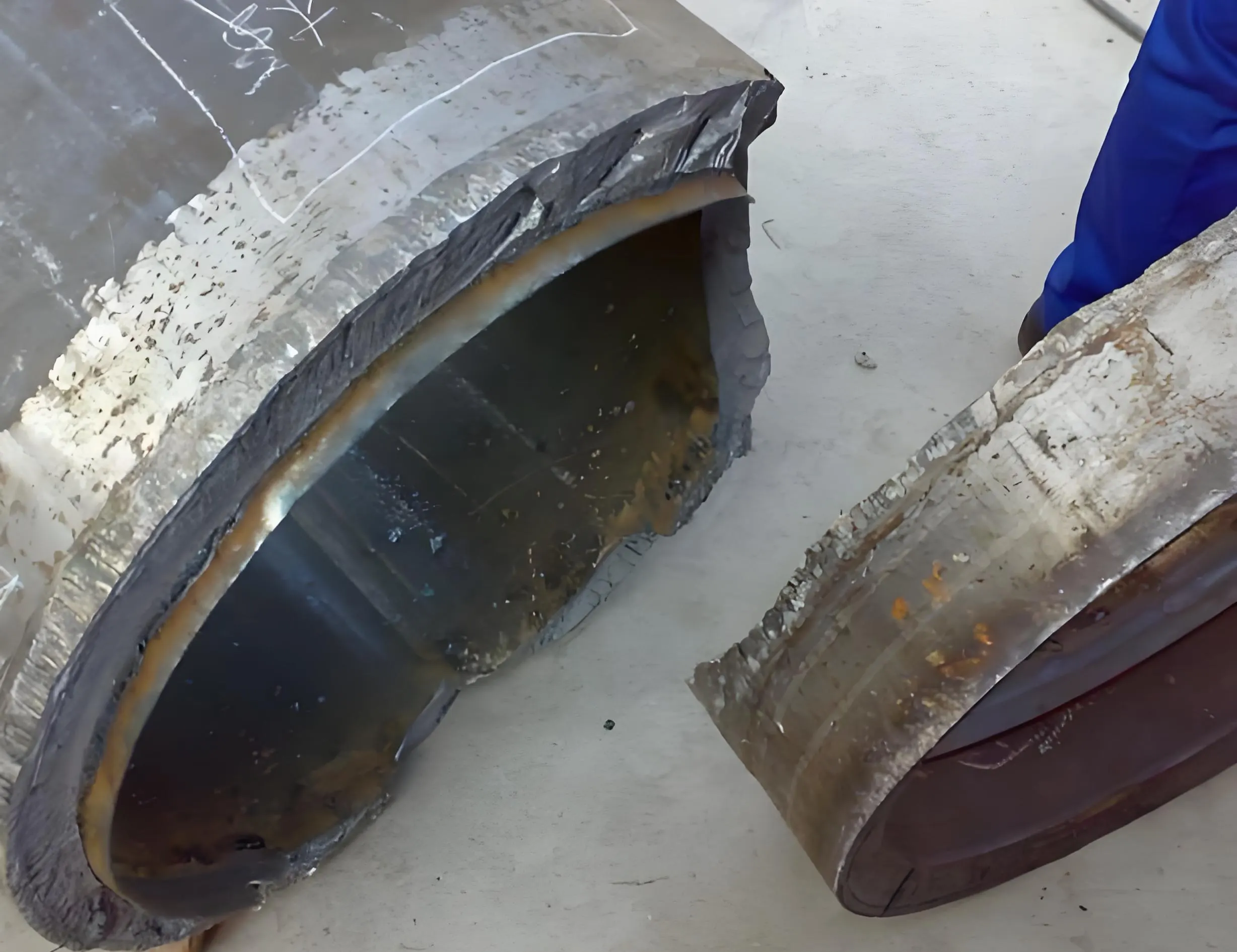
How does it work?When H2S reacts with the steel surface,it releases atomic hydrogen.These tiny atoms penetrate the metal lattice of the stainless steel pipe.Once inside,they collect at grain boundaries and create internal pressure.If the material is too hard or under too much stress,it will snap.NACE MR0175 acts as a shield against this.It specifies the maximum allowable hardness and environmental limits (temperature, pH and chloride levels) to prevent SSC from ever starting.
Material Environmental Limits for Stainless Steels
Note: These limits vary based on the specific pH and application.Always consult the latest edition of the standard for precise engineering.
| Material Category | Типичный класс | Максимальная температура | Max H2S Partial Pressure (psia) | Max Chlorides (mg/L) |
|---|---|---|---|---|
| Аустенитный | 316L | 60℃ | 140℉ | 15 | 1000 |
| Дуплекс | 2205 | 232℃ | 449.6℉ | 0.3 | 160,000 |
| Супер Дуплекс | 2507 | 232℃ | 449.6℉ | 3.0 | 160,000 |
| Никелевый сплав | Инконель 625 | No Limit | No Limit | No Limit |
Why Compliance Matters for Piping Systems
- Прослеживаемость материалов:
Every pipe and fitting must have a mill test certificate (MTC).This document proves the chemistry and hardness meet NACE MR0175 requirements. - Fabrication Control:
Welding can increase the hardness of the heat affected zone (HAZ).Compliance requires proper welding procedures to keep the HAZ within safe limits. - Long-Term Reliability:
Using NACE-compliant materials reduces the need for expensive corrosion inhibitors.This leads to a lower lifecycle cost for the asset.
Common Hardness Requirements in NACE MR0175
| Тип компонента | Класс материала | Предел твердости (HRC) | Standard Requirement |
|---|---|---|---|
| Трубы из нержавеющей стали | 316/316L | ≤ 22 HRC | Solution Annealed |
| Фитинги | Дуплекс 2205 | ≤ 28 HRC | Phase balance 40-60% |
| Flanges & Valves | Martensitic 410 | ≤ 22 HRC | Double Tempering required |
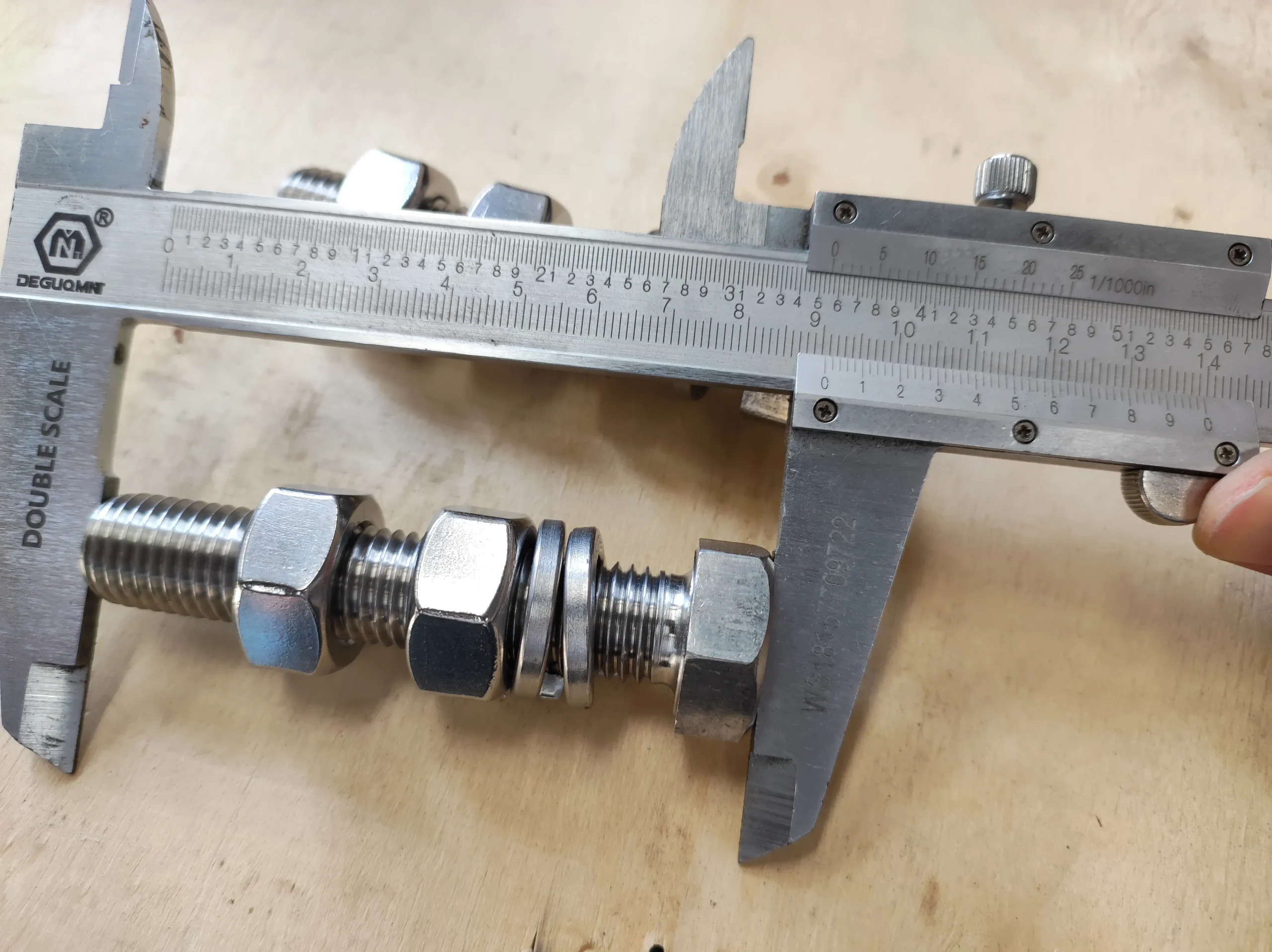
| Bolting/Fasteners | B7M / L7M | ≤ 22 HRC | Controlled Stress levels |
Возможно, вы также захотите прочитать:
Коррозионное растрескивание под напряжением в нержавеющей
Связаться с нами
- RM901 No.22 Tangjiaqiao Road Wenzhou Китай
- +86 577 8551 1171
- [email protected]
- https://www.kaysuns.com/