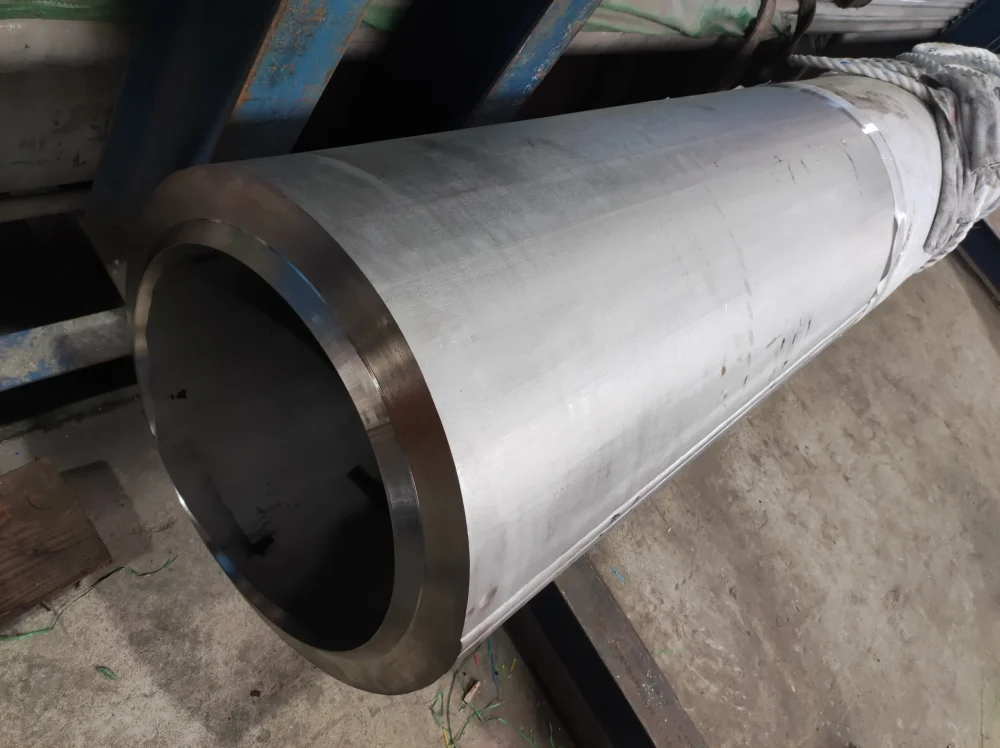
Термическая деградация Этот процесс представляет значительную опасность для систем, в которых используется нержавеющая сталь, из-за длительного воздействия высоких температур. трубы из нержавеющей стали а также арматура. Длительное высокотемпературное воздействие коренным образом изменяет внутреннюю структуру металла, что приводит к снижению механической прочности и коррозионной стойкости.
Что такое термическая деградация?
Термическая деградация НЕ является тем же, что плавление. Вместо этого она включает в себя медленные металлургические изменения внутри твердого металла. Эти изменения происходят в основном при температуре от 400 °C до 900 °C (750 °F до 1650 °F). Высокая температура вызывает перемещение и осаждение определенных элементов. Это перемещение образует новые хрупкие фазы. В результате металл теряет свою первоначальную прочность и пластичность.
Что мы делаем
- Пластина
- Лист
- Поковки
- Круглый прут
- Фланец
- Трубы
- Арматура
- На заказ
Свяжитесь с нами для получения дополнительной информации
Основные механизмы термического разложения
К потере целостности материала приводят несколько различных механизмов. В условиях высокотемпературной эксплуатации эти процессы часто происходят одновременно.
Формирование фазы Сигма
Фаза сигма (σ) - это хрупкое интерметаллическое соединение, богатое хромом и молибденом. Эта фаза медленно образуется в аустенитных и дуплексных нержавеющих сталях. Фаза σ обычно образуется в диапазоне температур от 600°C до 900°C (от 1112°F до 1650°F). Ее образование значительно снижает вязкость материала и повышает риск ударного хрупкого разрушения.
475 °C Охрупчивание
Это явление в первую очередь затрагивает ферритные и дуплексные нержавеющие стали. При длительном воздействии температуры около 475 °C (885 °F) атомы хрома накапливаются в металлической матрице. Это накопление значительно увеличивает твердость материала, но одновременно делает сталь чрезвычайно хрупкой при комнатной температуре. Эта хрупкость создает риски при проведении технического обслуживания и инспекционных работ.
Осаждение карбида
В диапазоне температур от 450°C до 850°C карбиды хрома образуются по границам зерен. Этот процесс истощает запасы хрома в окружающем металле, что приводит к потере пассивирующего слоя на участках, обедненных хромом. В результате сталь становится очень восприимчивой к межкристаллитной коррозии.
| Механизм | Затронутые классы | Диапазон температур | Первичный эффект |
|---|---|---|---|
| σ-фаза | Аустенитный, дуплексный | От 600 °C до 900 °C (от 1112 °F до 1650 °F) | Сильная хрупкость |
| 475 °C Охрупчивание | Ферритный, дуплексный | ≤ 475 °C (885 °F) | Увеличение твердости, потеря пластичности |
| Осаждение карбида | Аустенитные (304, 316) | От 450 °C до 850 °C (от 840 °F до 1560 °F) | Восприимчивость к межкристаллитной коррозии |
Влияние термического разложения на трубопроводные системы
Остекловывание, вызванное σ-фазой, ограничивает изгибающую способность материала, делая нержавеющую сталь склонной к растрескиванию. Любое неожиданное механическое воздействие может привести к немедленному разрушению.
Сенсибилизация, вызванная осадками карбида, значительно снижает коррозионную стойкость. Пораженные участки становятся восприимчивыми к химической эрозии, что приводит к преждевременной точечной коррозии и разрушению технологических трубопроводов.
Термическая деградация сокращает ожидаемый срок службы оборудования, что приводит к необходимости преждевременной замены компонентов и значительному увеличению долгосрочных затрат на техническое обслуживание.
Неисправности в линиях высокого давления или высокой температуры создают угрозу безопасности. Поддержание структурной целостности имеет важное значение для безопасной эксплуатации.
Выбор материалов и смягчение последствий
- Низкоуглеродистые сорта:
Рекомендуются марки 304L и 316L. Буква “L” после марки означает низкое содержание углерода. Это минимизирует выпадение карбидов, тем самым снижая риск сенсибилизации при сварке или высокотемпературной эксплуатации. - Стабилизированные грейды:
Такие марки, как 321 и 347, содержат стабилизирующие элементы (титан или ниобий). Эти элементы преимущественно образуют карбиды, предотвращая образование вредных карбидов хрома. - Двухслойный стальной контроль:
Двухкомпонентные стали требуют строгого контроля производства для ограничения содержания феррита, что сводит к минимуму риск образования σ-фазы.
Стратегии предотвращения повреждений в трубопроводах, работающих при высоких температурах
| Стратегия | Тип компонента | Меры по смягчению последствий |
|---|---|---|
| Выбор материала | Трубы, фитинги, фланцы | Используйте низкоуглеродные (“L”) или стабилизированные марки |
| Сварка | Сварные соединения | Используйте специализированные методы сварки с низким тепловым воздействием. |
| Термическая обработка | Изготовленные компоненты | Отжиг после сварки для повторного растворения карбидов |
| Дизайн | Структура системы | Избегайте длительного удержания в критических температурных диапазонах |
Связаться с нами
- RM901 No.22 Tangjiaqiao Road Wenzhou Китай
- +86 577 8551 1171
- [email protected]
- https://www.kaysuns.com/