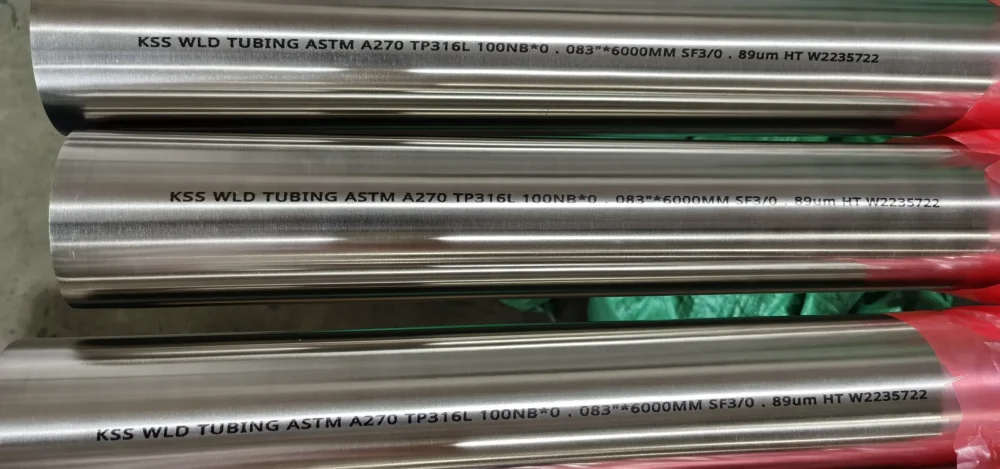
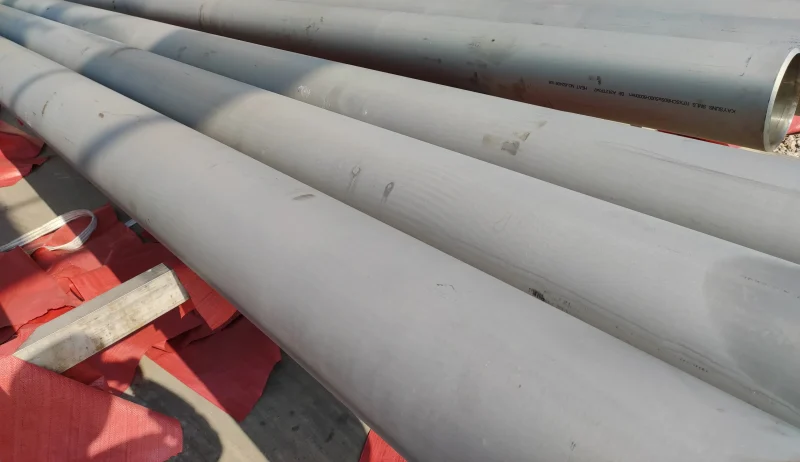
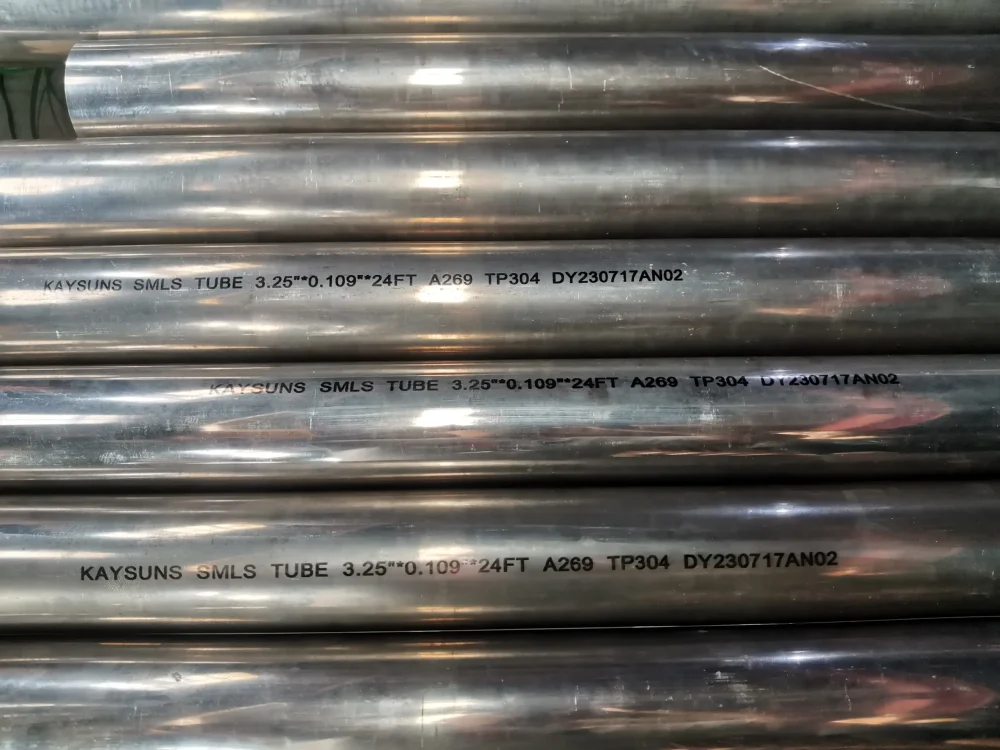
Industrial facility managers must stop weld corrosion immediately to prevent catastrophic pipeline failures.This dangerous decay destroys expensive piping systems rapidly.Metal joints face severe chemical attacks in harsh operating environments continually.You must understand these complex metallurgical failures to protect your infrastructure.This comprehensive guide explains the core causes and failure mechanisms clearly.We provide actionable engineering precautions to solve this problem completely.
What Causes Weld Corrosion in Piping Systems?
Extreme welding heat alters the internal metal structure permanently.This intense thermal cycle creates a vulnerable Heat-Affected Zone.The HAZ possesses different metallurgical properties than the surrounding base metal.These chemical differences create a dangerous galvanic cell reaction.Moisture and aggressive chemicals trigger severe weld corrosion very quickly.
Improper filler metal selection accelerates this destructive chemical process.Welders often leave sharp slag or dangerous surface burrs behind inadvertently.These physical surface defects trap corrosive liquids against the vulnerable joint.Over time,this trapped moisture destroys the heavy steel pipe completely.
Primary Causes and Environmental Triggers
| Root Operational Cause | Common Environmental Trigger | Resulting Metal Damage |
|---|---|---|
| Severe Thermal Cycling | High Factory Humidity | Sensitization and rapid decay |
| Incorrect Filler Metal | Saltwater Fluid Exposure | Galvanic cell attack |
| Surface Slag and Burrs | Acidic Chemical Splash | Localized crevice decay |
Common Mechanisms of Weld Corrosion
Engineers identify several distinct failure mechanisms in industrial pipeline systems.
- Galvanic corrosion occurs when different metal alloys are mixed.The less active metal acts as the anode and dissolves rapidly.
- Intergranular corrosion primarily occurs at microscopic grain boundaries within the HAZ.This specific type of welding corrosion is caused by the rapid precipitation of chromium carbides. During extreme heating,the metal loses its protective chromium layer.
- Pitting corrosion forms tiny,deep holes near the weld.Chlorides in marine environments cause this rapid localized corrosion of the metal.
- Another dangerous corrosion mechanism is crevice corrosion in stable alloys.This forms extremely narrow crevices near the metal weld.
Failure Mechanisms and Visual Identification
| Mechanism Type | Visual Appearance of Defect | Primary Susceptible Material |
|---|---|---|
| Galvanic | Broad red rust near the joint | Mixed metal assemblies |
| Межкристаллитная | Fine microscopic surface cracking | Standard 304/316 alloys |
| Питтинг | Deep, narrow dark holes | Marine coastal pipelines |
| Knife Line | Razor-thin cut along the bead | Grade 321 or 347 |
Что мы делаем
- Пластина
- Лист
- Поковки
- Круглый прут
- Фланец
- Трубы
- Арматура
- На заказ
Свяжитесь с нами для получения дополнительной информации
The Costly Impact of Ignored Weld Corrosion
Failure to prevent weld corrosion costs modern factories millions annually.Unexpected pipeline leaks can quickly bring an entire production line to a halt.Emergency repair teams are dispatched to the factory late at night to perform urgent repairs,which come at a high cost.Even worse,a leak of toxic chemicals can result in massive environmental fines and legal action.
Leaking pressurized systems also endanger the lives of your factory workers.Investing in proper fabrication methods saves massive amounts of money long-term.Quality assurance programs pay for themselves through extended equipment lifespans reliably.You must never compromise on your initial pipeline construction quality.
Material Selection to Withstand Chemical Attacks
Choosing the correct alloy prevents structural failures before they begin.You should specify low-carbon stainless steels for new piping projects always.Materials like 304L or 316L resist dangerous chromium depletion effectively.The “L” designation indicates a carbon content below 0.03 percent.This low carbon level stops dangerous intergranular decay naturally.
For severe marine environments,specify robust 2205 дуплексная труба из нержавеющей стали.Duplex alloys provide extreme strength and superior chloride pitting resistance.High-purity nickel alloys work perfectly for extremely harsh acid processing.Alloys like Hastelloy offer supreme chemical degradation resistance for refineries.Always match your filler wire metallurgy to your base pipe exactly.
Proven Precautions to Prevent Weld Corrosion
Fabrication shops must implement strict quality control standards daily.
- First,apply proper shielding gas to protect the molten pool.High-purity argon gas prevents dangerous atmospheric oxygen contamination completely.
- Second,control your heat input to minimize the HAZ size.Faster travel speeds reduce total thermal exposure during the active operation.
- Third,perform a chemical passivation treatment after joining the pipe.Passivation removes heat tints and restores the natural protective oxide layer.
Precautionary Steps and Engineering Goals
| Precaution Step | Primary Engineering Goal | Recommended Execution Method |
|---|---|---|
| Shielding Gas | Prevent oxygen exposure | Use 99.9% Argon or Nitrogen |
| Heat Control | Minimize HAZ width | Reduce electrical amperage settings |
| Пассивация | Restore the passive layer | Apply commercial citric acid paste |
| Joint Cleaning | Remove factory contaminants | Wipe with pure industrial acetone |
Weld Corrosion FAQs
Yes,it helps significantly.A stabilizing anneal relieves internal mechanical stress completely.It also dissolves dangerous chromium carbides back into the alloy structure.
No,you must never use carbon steel wire brushes.They leave microscopic iron particles on the clean stainless surface.These hidden iron particles rust instantly and destroy the joint.
Extreme thermal heat causes severe surface oxidation during the joining process.This ugly discoloration ruins the natural chemical resistance completely.You must remove this heat tint to stop weld corrosion.
Always clean fresh joints using pure industrial acetone before processing.Acetone removes hazardous cutting oils,dirt,and heavy fingerprints effectively.Clean surfaces guarantee a strong,structurally sound,and sanitary bond.
Manufacturing facilities demand leak-free and highly durable industrial piping systems.You must fight weld corrosion proactively to ensure daily operational safety.Use modern low-carbon alloys to build your next heavy pipeline project.Implement strict temperature controls and passivate all joints after assembly.These professional engineering techniques maximize the service life of your plant.Контакт our global expert engineering team today for custom material solutions.
Связаться с нами
Свяжитесь с нами
- RM901 No.22 Tangjiaqiao Road Wenzhou Китай
- +86 577 8551 1171
- [email protected]
- https://www.kaysuns.com/
Найти нас