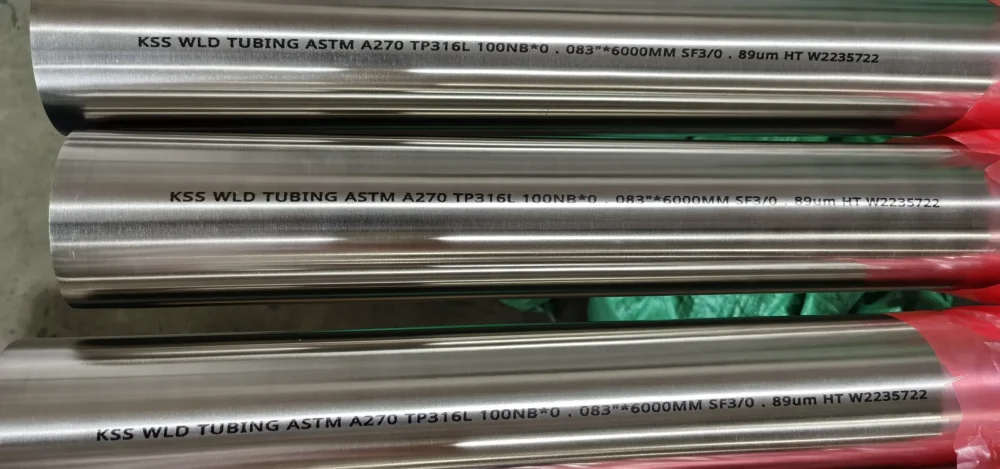
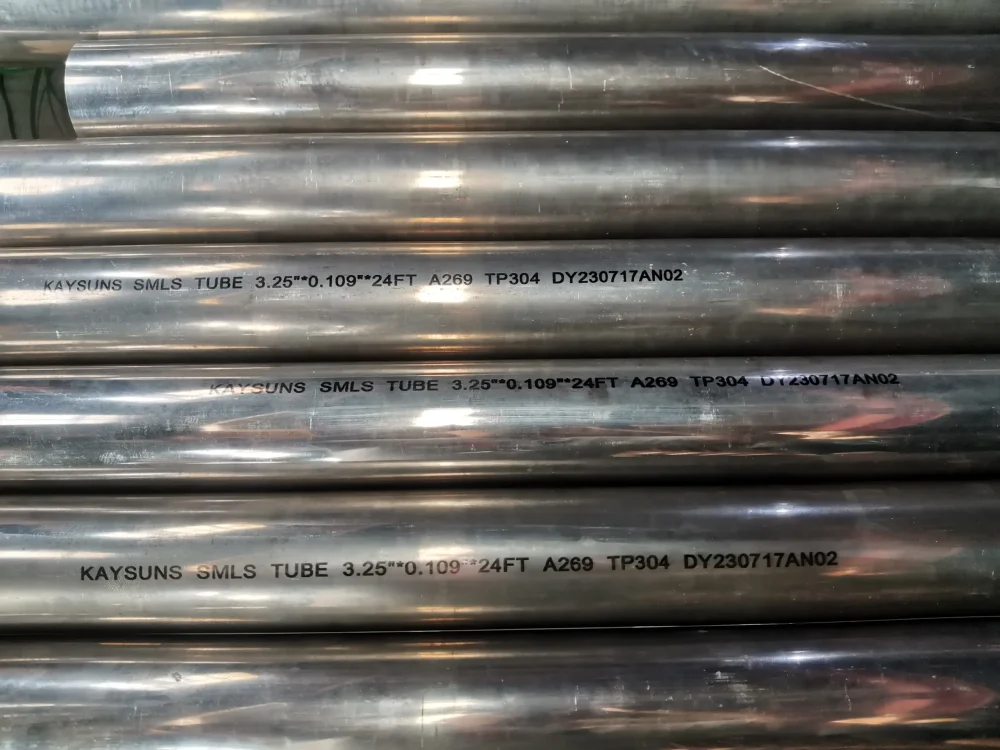
NACE MR0175 / ISO 15156 является международным стандартом, который регулирует выбор материалов для добычи нефти и газа в агрессивных средах. В частности, он устанавливает основные требования к металлам, подвергающимся воздействию сероводорода (H2S). Для инженеров, управляющих высоконадежными труба из нержавеющей стали Следуя этим правилам, промышленные предприятия защищают свой персонал и окружающую среду.
Суть стандарта NACE MR0175 / ISO 15156
В 2003 году NACE объединилась с ISO для создания единого глобального стандарта. Сегодня ISO 15156 состоит из трех частей:
- Общие принципы выбора материалов.
- Требования к устойчивости к растрескиванию углеродистых и низколегированных сталей.
- Требования к трещиностойким коррозионностойким сплавам (CRA), включая различные марки нержавеющей стали.
Что мы делаем
- Пластина
- Лист
- Поковки
- Круглый прут
- Фланец
- Трубы
- Арматура
- На заказ
Свяжитесь с нами для получения дополнительной информации
Связь между NACE MR0175 и нержавеющей сталью
Нержавеющая сталь является основным материалом для современной трубопроводной инфраструктуры. Однако не вся нержавеющая сталь подходит для работы в кислых средах. Взаимосвязь между NACE MR0175 и нержавеющей сталью определяется химическими ограничениями и механической обработкой.
Например, стандарт устанавливает строгие ограничения на твердость фитинги из нержавеющей стали Высокая твердость часто коррелирует с высокой прочностью, но она также увеличивает риск растрескивания. Поэтому стандарт часто требует специальной термической обработки, например, отжига в растворе. Эти процессы обеспечивают сохранение однородной микроструктуры металла. Эта однородность жизненно важна для противостояния суровым условиям, встречающимся в глубоководных скважинах или на химических нефтеперерабатывающих заводах.
NACE MR0175 и растрескивание под действием сульфидов
Наиболее опасной угрозой в кислой среде является сульфидное растрескивание под напряжением (SSC). Это форма водородного охрупчивания, которая возникает, когда растягивающее напряжение встречается с H2S и вода.
Как это работает? Когда H2S вступает в реакцию с поверхностью стали, выделяя атомарный водород. Эти крошечные атомы проникают в металлическую решетку трубы из нержавеющей стали. Попав внутрь, они собираются на границах зерен и создают внутреннее давление. Если материал слишком твердый или подвергается слишком большому напряжению, он ломается. NACE MR0175 действует как защита от этого.Он определяет максимально допустимую твердость и пределы воздействия окружающей среды (температура, уровень pH и содержание хлоридов), чтобы предотвратить возникновение SSC.
Материальные экологические ограничения для нержавеющих сталей
Примечание: эти ограничения варьируются в зависимости от конкретного pH и области применения. Для точных расчетов всегда обращайтесь к последней редакции стандарта.
| Категория материала | Типичный класс | Максимальная температура | Макс Х2S Парциальное давление (psia) | Максимальное содержание хлоридов (мг/л) |
|---|---|---|---|---|
| Аустенитный | 316L | 60 °C | 140 °F | 15 | 1000 |
| Дуплекс | 2205 | 232 ℃ | 449,6 ℉ | 0.3 | 160,000 |
| Супер Дуплекс | 2507 | 232 ℃ | 449,6 ℉ | 3.0 | 160,000 |
| Никелевый сплав | Инконель 625 | Без ограничений | Без ограничений | Без ограничений |
Почему соблюдение нормативных требований важно для трубопроводных систем
В трубопроводной системе самое слабое звено определяет безопасность всей линии. Если один фланец или клапан выходит из строя из-за SCC, результаты могут быть смертельно опасными. Поэтому каждый компонент должен быть сертифицирован.
- Прослеживаемость материалов:
Каждая труба и фитинг должны иметь сертификат испытаний на прокатку (MTC). Этот документ подтверждает, что химический состав и твердость соответствуют требованиям NACE MR0175. - Контроль изготовления:
Сварка может увеличить твердость зоны термического влияния (ЗТВ). Для обеспечения соответствия требованиям необходимо соблюдать надлежащие процедуры сварки, чтобы ЗТВ оставалась в безопасных пределах. - Долгосрочная надежность:
Использование материалов, соответствующих требованиям NACE, снижает потребность в дорогостоящих ингибиторах коррозии. Это приводит к снижению стоимости жизненного цикла актива.
Общие требования к твердости в NACE MR0175
| Тип компонента | Класс материала | Предел твердости (HRC) | Стандартные требования |
|---|---|---|---|
| Трубы из нержавеющей стали | 316/316L | ≤ 22 HRC | Решение Отжиг |
| Фитинги | Дуплекс 2205 | ≤ 28 HRC | Фазовый баланс 40-60% |
| Фланцы и клапаны | Мартенситный 410 | ≤ 22 HRC | Требуется двойная закалка |
| Болты/крепежные детали | B7M / L7M | ≤ 22 HRC | Контролируемый уровень стресса |
Связаться с нами
- RM901 No.22 Tangjiaqiao Road Wenzhou Китай
- +86 577 8551 1171
- [email protected]
- https://www.kaysuns.com/