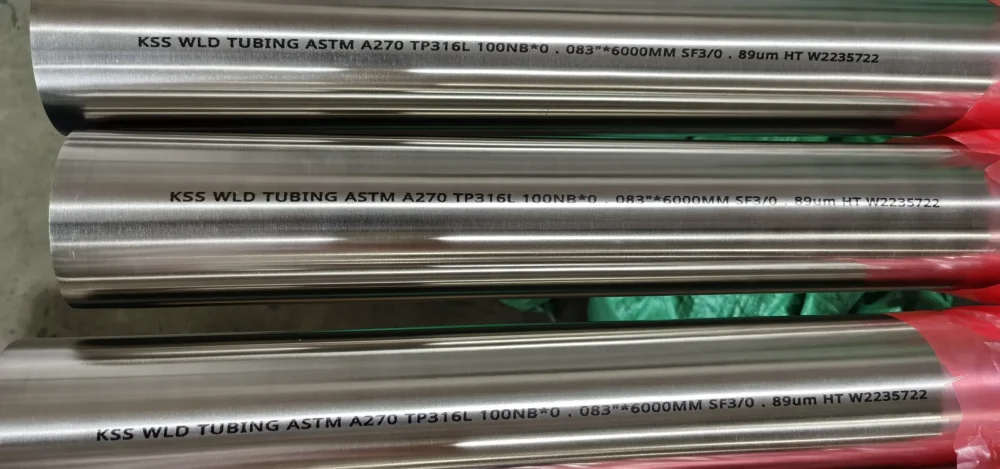
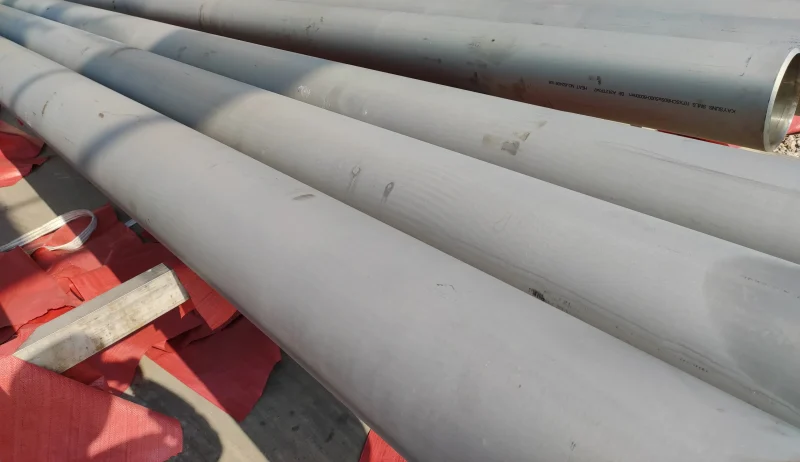
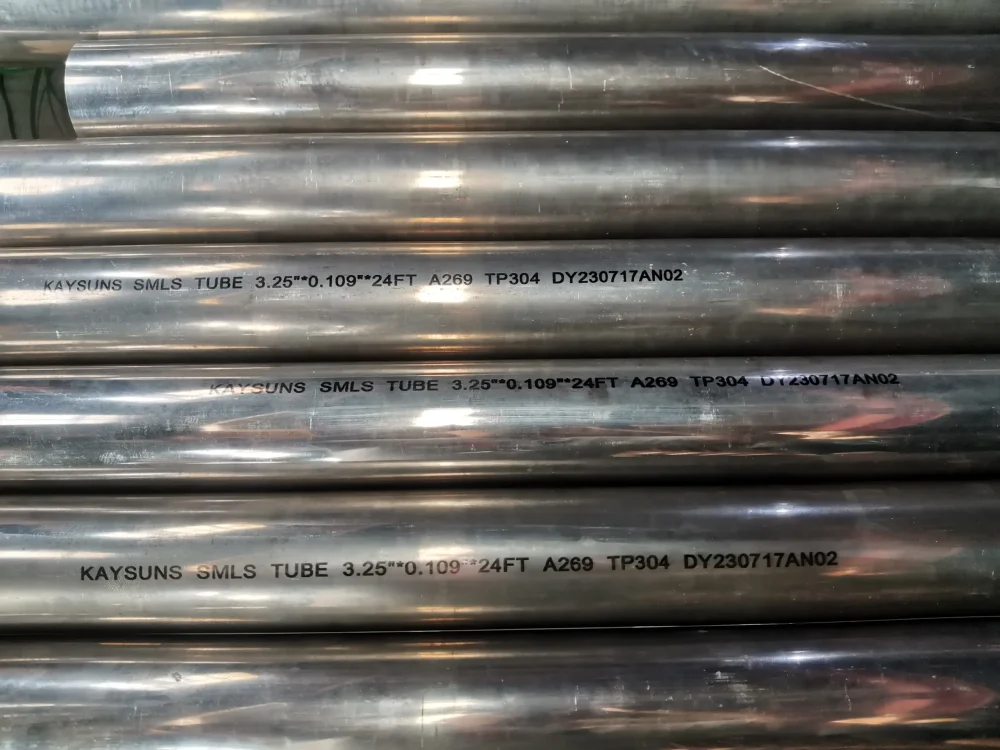
A Коррозионно-стойкий сплав (Эти материалы служат основной защитой от разрушения конструкции в экстремальных промышленных условиях. Инженеры отдают предпочтение этим сплавам, когда стандартная углеродистая сталь не может обеспечить достаточную безопасность или долговечность. Используя коррозионностойкие сплавы, мы значительно сокращаем эксплуатационные расходы и предотвращаем катастрофические отказы систем. .
Что такое коррозионно-стойкий сплав?
Коррозионностойкий сплав содержит большое количество защитных элементов, таких как хром, никель и молибден. Эти элементы вступают в реакцию с окружающей средой, образуя на поверхности металла устойчивый микроскопический “пассивный слой”. Этот слой действует как экран, не позволяя кислороду и влаге проникать в основной металл.
В мире трубопроводов это означает, что внутренние стенки трубы остаются гладкими и неповрежденными в течение десятилетий.
Что мы делаем
- Пластина
- Лист
- Поковки
- Круглый прут
- Фланец
- Трубы
- Арматура
- На заказ
Свяжитесь с нами для получения дополнительной информации
Распространенные типы коррозионно-стойких сплавов
Каждый тип сплавов классифицируется по химическому составу и кристаллической структуре, что дает определенные преимущества для конкретных компонентов трубопровода, таких как колена, тройники и фланцы.
Аустенитные нержавеющие стали
Аустенитные нержавеющие стали являются наиболее распространенными сплавами, включая такие известные марки, как 304 и 316. Они обладают отличной формуемостью и легко свариваются в сложные детали. Высокое содержание хрома и никеля обеспечивает надежную защиту от общей атмосферной коррозии.
Ферритные нержавеющие стали
Мартенситные нержавеющие стали
Стали марок 410 и 420 относятся к этой категории. Их уникальная особенность заключается в достижении исключительно высокой твердости путем термической обработки. Хотя их коррозионная стойкость ниже, чем у аустенитных типов, они служат идеальными коррозионно-стойкими сплавами для износостойких деталей трубопроводов, таких как седла клапанов и валы насосов.
Дуплексные и супердуплексные стали
Дуплексные сплавы сочетают в себе лучшие свойства аустенитных и ферритных сталей. Они обладают вдвое большей прочностью, чем стандартная нержавеющая сталь. Благодаря этому они являются предпочтительным коррозионностойким сплавом для подводных трубопроводов высокого давления. Они исключительно хорошо сопротивляются коррозионному растрескиванию под напряжением.
В состав супердуплексной нержавеющей стали также могут входить легирующие элементы, такие как медь и вольфрам, которые повышают ее коррозионную стойкость в определенных условиях.
Сплавы на основе никеля
В самых сложных условиях инженеры выбирают сплавы на основе никеля такие как Inconel® или Monel®. Эти сплавы сохраняют структурную целостность при экстремальных температурах и воздействии концентрированных кислот, что делает их распространенным выбором для специализированных фланцев на химических заводах.
Факторы, снижающие коррозионную стойкость
В соленой воде хлориды могут проделать в металле небольшие отверстия. Высококачественный коррозионностойкий сплав с молибденом предотвращает это локальное повреждение.
Некоторые системы работают при температурах в сотни градусов Цельсия. Обычные металлы становятся хрупкими, и это явление известно как термическая деградация. Однако CRA сохраняют свои механические свойства.
Благодаря тому, что эти сплавы противостоят внутренней коррозии, стенки труб остаются гладкими, что снижает затраты на перекачку и повышает энергоэффективность.
Предотвращение утечек - самый эффективный способ защиты окружающей среды. CRA обеспечивают надежность, необходимую для предотвращения утечек в чувствительных зонах.
Технические характеристики коррозионно-стойкого сплава
| Категория сплава | Устойчивость к коррозии | Механическая прочность | Типичное применение трубопроводов |
|---|---|---|---|
| Аустенитная (316L) | Высокий | Умеренный | Трубы для пищевой и фармацевтической промышленности |
| Дуплекс (2205) | Очень высокий | Высокий | Нефте- и газопроводы |
| Супер Дуплекс (2507) | Превосходно | Очень высокий | Опреснительные заводы |
| Никелевый сплав (625) | Экстрим | Высокий | Химические заводы |
Основные легирующие элементы и их функции
| Элемент | Основная функция | Воздействие на трубопроводные системы |
|---|---|---|
| Хром | Формирует пассивную пленку | Предотвращает общее ржавление и окисление |
| Никель | Повышает выносливость | Улучшает работу при низких температурах |
| Молибден | Устойчивость к точечной коррозии | Незаменим при воздействии морской воды и хлоридов |
| Азот | Увеличивает силу | Позволяет делать более тонкие и легкие стенки труб |
Как выбрать коррозионно-стойкий сплав
Как специалисты с более чем 10-летним опытом работы в области производства труб и фитингов, компания Kaysuns считает, что выбор подходящего сплава требует анализа конкретных “угроз”, присутствующих в сценарии применения.
Конечно, вы можете оставить эти утомительные задачи нам.
Среды с высоким содержанием хлоридов (морские/морские)
В прибрежных районах ”питтинг” - главный враг. Вам следует искать сплав с высоким показателем PREN. Например, сплав 316L работает в слабом соляном тумане,Трубы Super Duplex 2507 необходимо для прямого контакта с морской водой.
Кислотный сервис высокого давления (нефть и газ)
Если по вашему трубопроводу транспортируется “кислый газ” (H2Эти материалы предотвращают внезапные, хрупкие разрушения, которые могут привести к экологическим катастрофам.
Высокотемпературное окисление (нефтеперерабатывающие заводы)
Санитарные и высокочистые применения (фармацевтика/пищевая промышленность)
Однако важно отметить, что они должны соответствовать соответствующим стандартам чистоты, таким как 3-A Sanitary Standards, ASME BPE, ISO 2853, EHEDG Guidelines и т.д. Наши санитарные изделия имеют все необходимые сертификаты.
Уход за коррозионно-стойким сплавом
Связаться с нами
- RM901 No.22 Tangjiaqiao Road Wenzhou Китай
- +86 577 8551 1171
- [email protected]
- https://www.kaysuns.com/