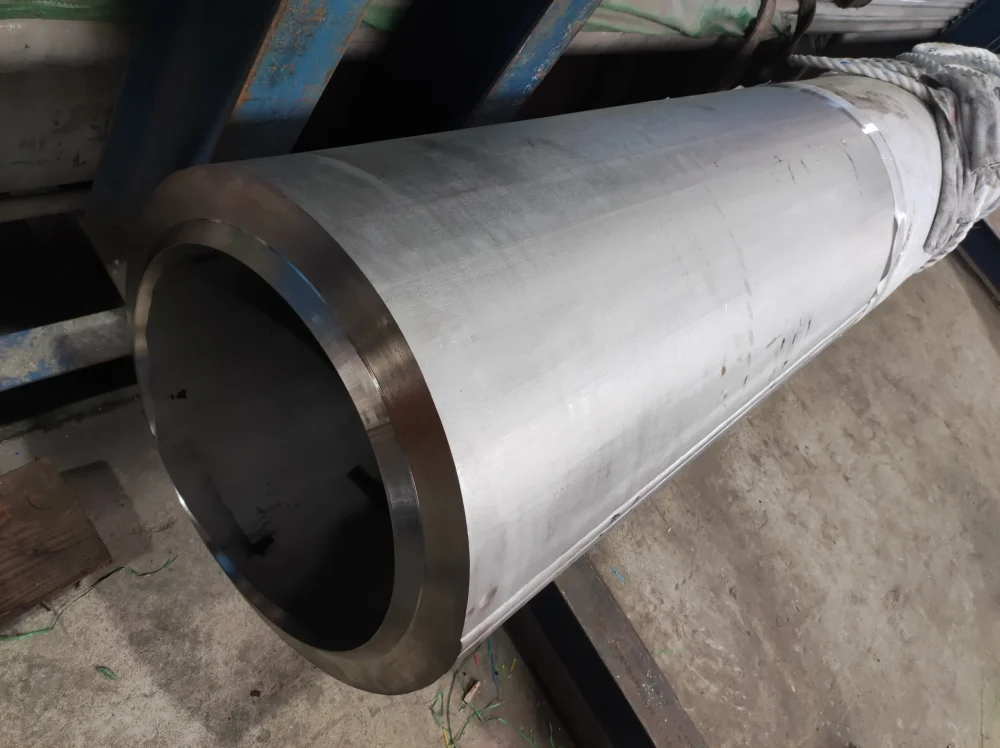
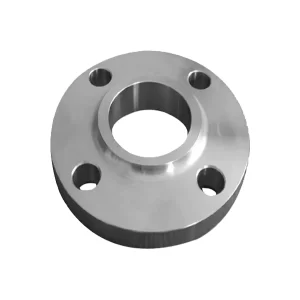
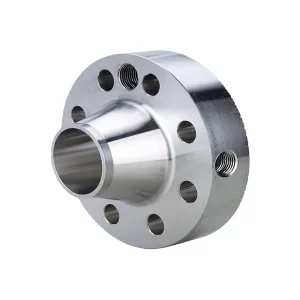
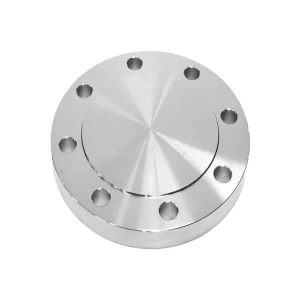
Brides en acier allié vs brides en acier au carbone Les deux matériaux sont essentiels pour créer des systèmes de tuyauterie robustes.Toutefois,leurs performances dans des conditions extrêmes diffèrent considérablement.Le choix de la bonne bride garantit la fiabilité des systèmes de tuyauterie. tuyau en acier inoxydable connexions et sécurité globale du système.
Définition des matériaux des brides en acier allié et en acier au carbone
- Brides en acier au carbone:
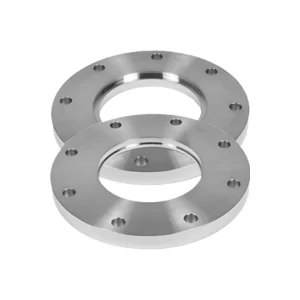
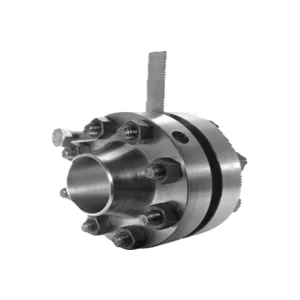
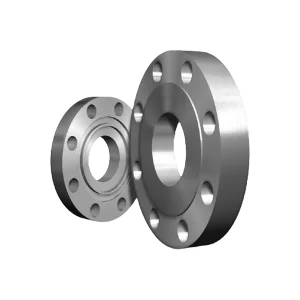
L'ASTM A105 est la norme universelle pour ces brides. L'acier au carbone est largement utilisé en raison de son excellent rapport coût/résistance. - Brides en acier allié:
Ces brides améliorent les propriétés spécifiques grâce à l'ajout contrôlé d'éléments tels que le chrome, le molybdène et le nickel. Définis par des normes telles que la norme ASTM A182, les aciers alliés sont des matériaux essentiels pour les applications à hautes performances.
Ce que nous faisons
- Plaque
- Feuille
- Forgeage
- Barre ronde
- Bride
- Tuyaux
- Raccords
- Sur mesure
Contactez-nous pour plus d'informations
Brides en acier allié vs brides en acier au carbone : principales différences
Résistance thermique
- Service à haute température:
L'acier au carbone perd rapidement sa résistance au-dessus de 425 °C (800 °F). L'acier allié conserve son intégrité structurelle à des températures beaucoup plus élevées. - Service à basse température:
L'acier au carbone peut devenir cassant à très basse température. Certains aciers alliés sont conçus pour une utilisation cryogénique. Cela permet d'éviter les ruptures par fragilité dans les environnements froids. L'acier allié est donc plus sûr pour le transfert de gaz liquéfié.
Résistance mécanique
- Rendement et résistance à la traction :
L'acier allié présente souvent une limite d'élasticité et une résistance à la traction plus élevées, en particulier après traitement thermique. Cette résistance lui permet de supporter des charges de pression considérables. - Dureté et usure :
Les éléments d'alliage améliorent la dureté du matériau, ce qui renforce sa résistance à l'usure et à l'abrasion. Les brides en acier allié ont une durée de vie plus longue dans les environnements érosifs.




Le facteur coût et corrosion
- Incidences financières:
Les brides en acier au carbone sont nettement moins chères que leurs équivalents en acier allié. L'acier allié implique des coûts de matériaux et de traitement plus élevés, qui peuvent être considérables. Un tel investissement initial n'est justifié que dans le cadre d'exigences de conception strictes. - Vulnérabilité à la corrosion:
L'acier au carbone et l'acier allié sont tous deux susceptibles de rouiller et n'ont pas la résistance à la corrosion de l'acier inoxydable. Ils nécessitent des mesures de protection telles que des revêtements ou de la peinture et ne doivent pas être utilisés en contact direct avec des milieux corrosifs,raccords de tuyauterie en acier inoxydable doit être sélectionné pour les circuits de fluides hautement corrosifs.
Application dans les systèmes de tuyauterie critiques
Les brides en acier au carbone conviennent aux systèmes de tuyauterie industriels généraux, pour le transport de l'eau, de la vapeur et des huiles non corrosives. Leur utilisation est limitée à des conditions de température et de pression modérées.
Les brides en acier allié sont spécialement conçues pour les conditions de service exigeantes. Elles sont indispensables dans les collecteurs de vapeur des centrales électriques et les structures de fours à haute température. Leur composition en alliage garantit l'intégrité des joints à des températures extrêmes. Les aciers alliés à basse température sont tout aussi essentiels pour les systèmes de pipelines de gaz naturel liquéfié.
Brides en acier allié vs brides en acier au carbone : comparaison des matériaux
| Fonctionnalité | Acier Carbone | Acier allié |
|---|---|---|
| Coût des matériaux | Faible | Haut |
| Limite maximale de température | 425 °C (797 °F) | 595 °C (1103 °F) |
| Résistance au fluage | Pauvre | Excellent |
| Alliage primaire | C | Cr,Mo |
| Candidature commune | Services généraux, eau | Vapeur haute pression, huile chaude |
Nuances courantes d'acier allié pour brides
| Nuance (ASTM A182) | Principaux éléments d'alliage | Avantage principal |
|---|---|---|
| F11 | Cr-Mo | Température modérément élevée |
| F22 | Haute pression/haute température | |
| F91 | Cr-Mo-V-Nb | Résistance extrême au fluage |
| LF2 | Ni | Service à basse température/cryogénique |
Nuances courantes d'acier au carbone pour brides
| Grade (ASTM) | Principaux éléments d'alliage | Avantage principal |
|---|---|---|
| A105 | C | Service à pression standard |
| A350 LF2 | Ni | Bon fonctionnement à basse température |
| A350 LF3 | Excellent service à basse température |
Nous contacter
- RM901 No.22 Tangjiaqiao Road Wenzhou Chine
- +86 577 8551 1171
- [email protected]
- https://www.kaysuns.com/