Pourquoi plier des tubes en acier inoxydable ?
Matériaux pour les tubes et tuyaux cintrés en acier inoxydable
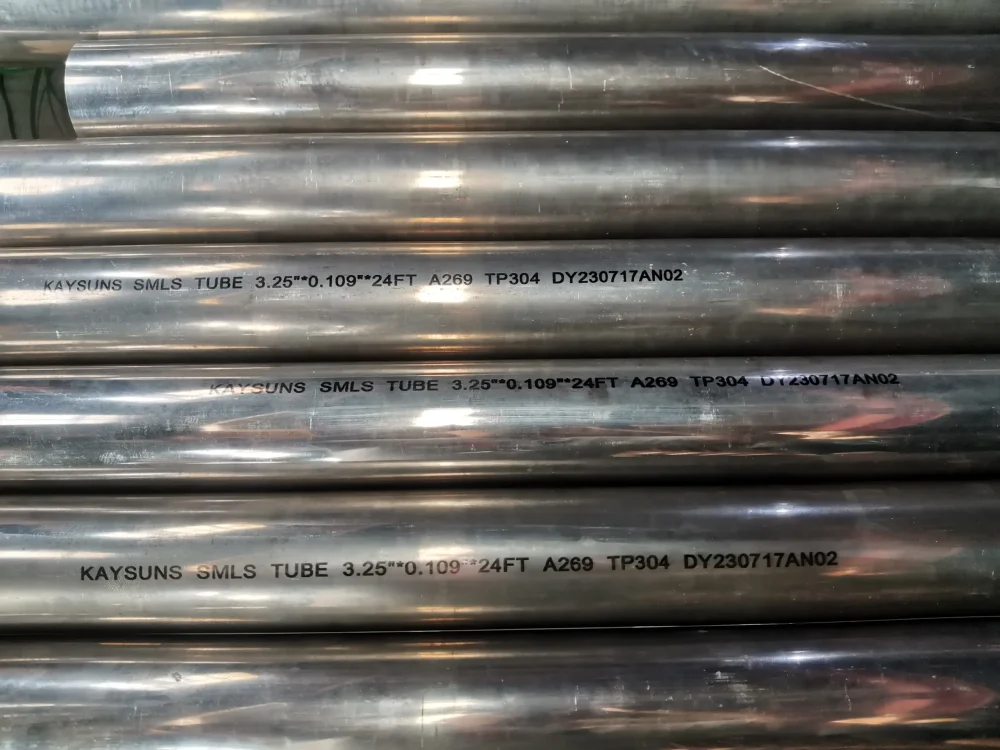
- Tube en acier inoxydable 304/304L:
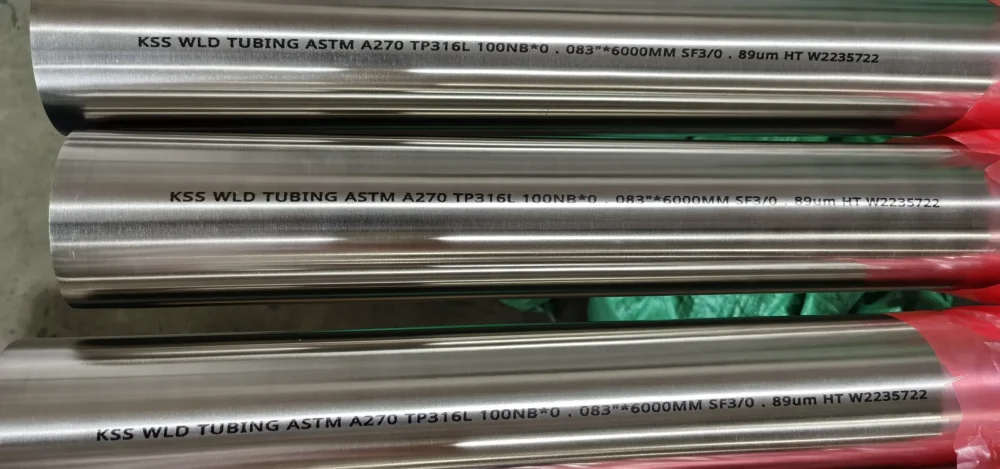
En raison de son excellente ductilité, c'est le choix le plus populaire pour les opérations de cintrage. - Tube en acier inoxydable 316/316L:
Offrant une résistance supérieure à la corrosion, il est couramment utilisé dans les industries maritimes et pharmaceutiques.
Ce que nous faisons
- Plaque
- Feuille
- Forgeage
- Barre ronde
- Bride
- Tuyaux
- Raccords
- Sur mesure
Contactez-nous pour plus d'informations
Méthodes courantes de cintrage des tubes en acier inoxydable
Cintrage par étirage rotatif
- Excellente précision dimensionnelle
- Amincissement minime de la paroi
- Idéal pour les rayons étroits
Cintrage au mandrin
Pour les tubes à parois minces, nous utilisons le procédé du mandrin.Un mandrin est une tige métallique solide insérée dans le tube pendant l'usinage, qui soutient la paroi intérieure du tube pour éviter sa déformation ou son effondrement.Cette méthode est particulièrement bien adaptée aux applications nécessitant une finition de surface extrêmement élevée à l'intérieur du tube.
- Une configuration simple
- Faible coût d'outillage
- Risque de déformation plus élevé
- Ne convient pas pour les tubes inoxydables à faible rayon ou à paroi mince
Pliage par induction thermique
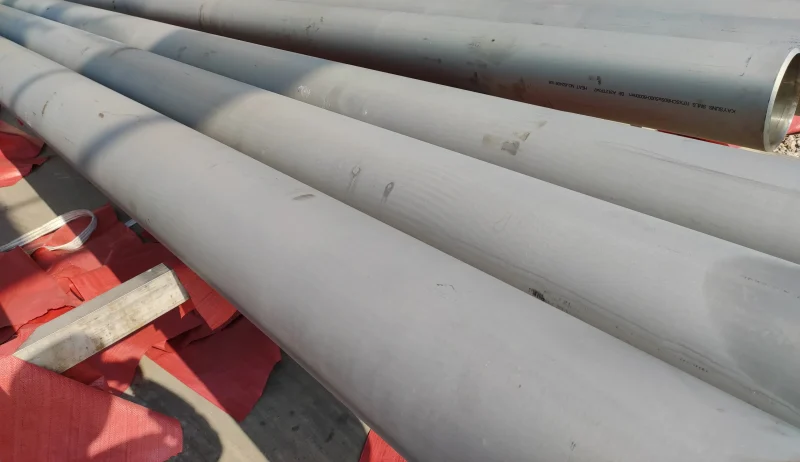
Les tuyaux de grand diamètre ont souvent besoin de chaleur.Une bobine d'induction chauffe une petite section du tuyau à une température élevée.Lorsque le métal se ramollit,un bras mécanique pousse le tuyau dans une courbe.Cette méthode permet de réaliser de très grands coudes dans les pipelines industriels lourds qui doivent résister à des pressions élevées.
- Convient pour les coudes à grand rayon
- Fonctionne bien pour les tuyaux à parois épaisses
Comparaison technique des méthodes de pliage
| Méthode de pliage | Meilleure application | Niveau de précision | Risque d'amincissement des parois |
|---|---|---|---|
| Tirage rotatif | Tuyaux de petite et moyenne taille | Très élevé | Faible |
| Mandrin | Tubes à paroi mince | Excellent | Minime |
| Cintrage en rouleau | Courbes à grand rayon | Modéré | Modéré |
| Induction | Grands tuyaux industriels | Haut | Modéré |
Défis : Retour élastique et écrouissage
Applications des tubes cintrés en acier inoxydable
- Serpentins d'échangeurs de chaleur :
Les coudes continus permettent d'obtenir une surface maximale dans un espace compact pour le refroidissement. - Systèmes d'échappement :
Les courbes douces réduisent la contre-pression dans les conduites d'échappement des gaz pour une meilleure efficacité du moteur. - Tuyauterie sanitaire :
Les coudes éliminent les crevasses que l'on trouve dans les raccords soudés, ce qui facilite le nettoyage du système. - Supports structurels :
Les tubes cintrés constituent des cadres solides et esthétiques pour les équipements industriels et les mains courantes.
Inspection de la qualité après le cintrage
| Étape d'inspection | Exigences techniques | Importance |
|---|---|---|
| Épaisseur du mur | Vérifier l'amincissement du rayon extérieur | Permet de s'assurer que le tuyau peut supporter la pression nominale |
| Test d'ovalité | Vérifier la rondeur de la section transversale | Garantit un ajustement correct avec un joint à bride |
| Pénétrant colorant | Recherche de micro-fissures | Prévient la corrosion future et les fuites soudaines |
| Passivation | Restaurer la couche d'oxyde | Protège la “nouvelle” surface contre la rouille |
FAQ sur le cintrage des tuyaux en acier inoxydable
Oui,Le cintrage par mandrin réduit considérablement le risque de fissuration lorsqu'on utilise la méthode, le rayon de cintrage et l'outillage adéquats.
Un pliage incorrect peut provoquer des microfissures ou un écrouissage excessif, ce qui peut réduire la résistance à la corrosion.
Les tubes de petit diamètre sont généralement cintrés à froid, tandis que le cintrage à chaud ou par induction est utilisé pour les tubes de grand diamètre ou à paroi épaisse.
304 et 304L sont généralement les plus faciles à utiliser en raison de leur excellente ductilité.
Nous contacter
- RM901 No.22 Tangjiaqiao Road Wenzhou Chine
- +86 577 8551 1171
- [email protected]
- https://www.kaysuns.com/