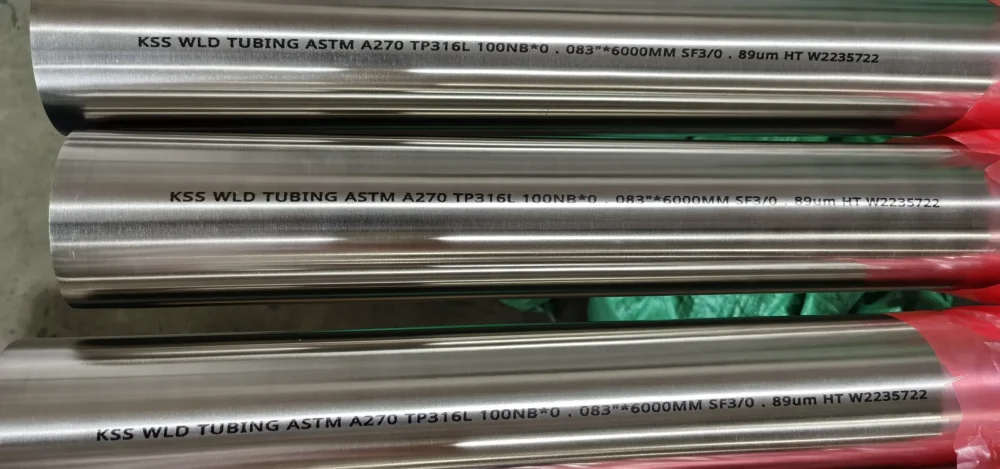
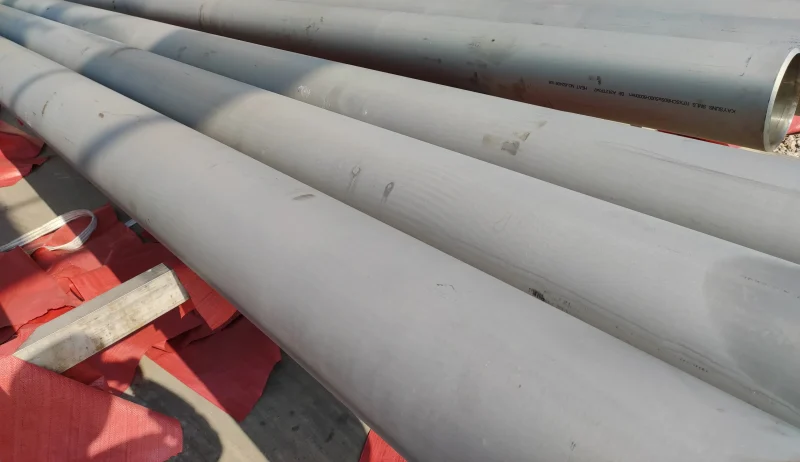
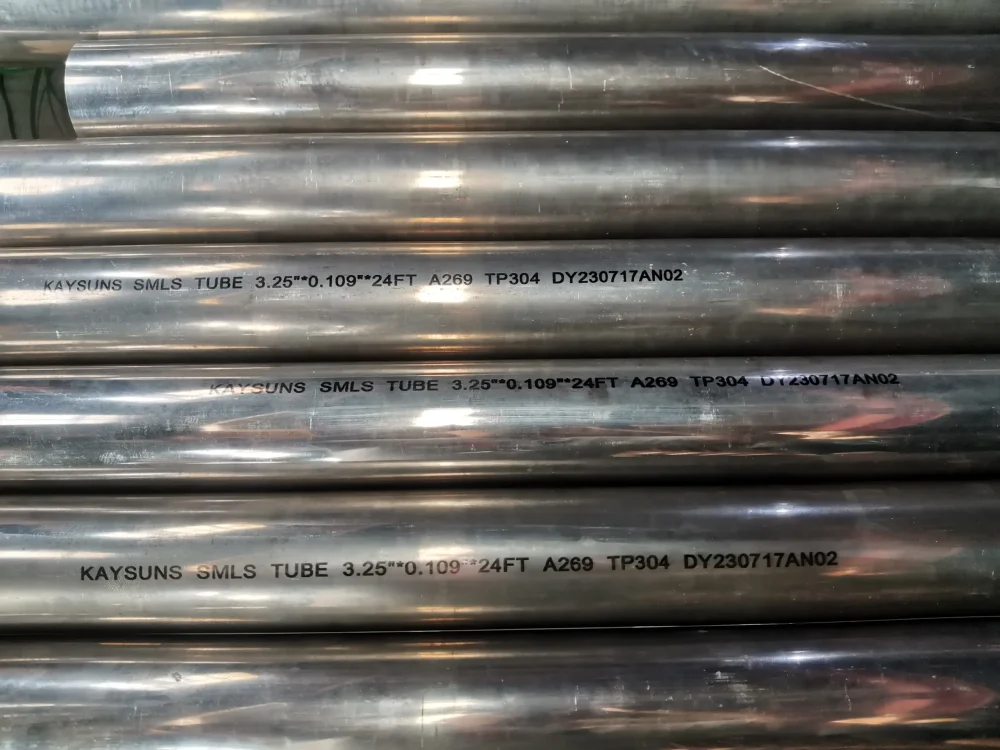
Qu'est-ce que l'acier inoxydable ?Ce matériau est la pierre angulaire de l'industrie et de la fabrication modernes. Il offre une résistance inégalée à la rouille et à la corrosion. Cela le rend indispensable pour les applications à haute intégrité. tube en acier inoxydable production. De plus, il est essentiel pour les éléments cruciaux raccords de tuyauterie en acier inoxydable.Sa durabilité exceptionnelle en fait souvent le meilleur investissement à long terme.
Définition de l'acier inoxydable et sa composition
L'acier inoxydable est avant tout un alliage de fer, dont le chrome est l'élément déterminant. 10.5% Le chrome est nécessaire pour ses propriétés. Ce chrome est à l'origine de la défense passive du métal. Les autres éléments clés sont le nickel, le molybdène et le carbone. L'inclusion du nickel stabilise la structure. L'ajout de molybdène améliore la résistance aux attaques de chlorure.
Lorsque le chrome rencontre de l'oxygène, il forme instantanément une couche de passivation, à savoir l'oxyde de chrome. Cette fine couche protectrice possède des propriétés de protection exceptionnelles, protégeant continuellement le métal sous-jacent du contact avec l'air et empêchant la rouille.
| Élément | Fonction principale | Effet sur les tuyaux/raccords |
|---|---|---|
| Chrome | Forme une couche passive | Résistance à la corrosion |
| Nickel | Stabilise l'austénite | Augmente la résistance et la ductilité |
| Molybdène | Combat les attaques localisées | Résiste à la corrosion par piqûres et crevasses |
| Carbone | Contrôle la dureté | Influence la soudabilité |
Ce que nous faisons
- Plaque
- Feuille
- Forgeage
- Barre ronde
- Bride
- Tuyaux
- Raccords
- Sur mesure
Contactez-nous pour plus d'informations
Classification de l'acier inoxydable
Le SS est principalement classé en plusieurs catégories : Cinq types principaux.La microstructure de l'alliage détermine sa classification.
La compréhension de ces classifications aide à déterminer l'application optimale du matériau.
Aciers austénitiques (série 300)
L'acier inoxydable austénitique est le type le plus courant.Des nuances comme 304 et 316 appartiennent à cette catégorie.Elles contiennent des niveaux élevés de nickel et de chrome.Les aciers austénitiques sont non magnétiques et très résistants à la corrosion.Ils ne peuvent pas être durcis par un traitement thermique.
Aciers ferritiques (série 400)
Les aciers ferritiques présentent des propriétés magnétiques mais contiennent des niveaux de nickel inférieurs. Les nuances telles que le 430 sont des représentants courants. Cette catégorie d'acier offre une excellente résistance à la corrosion fissurante sous contrainte et est fréquemment utilisée dans le secteur de la construction automobile.
Aciers martensitiques (série 400)
L'acier martensitique présente des propriétés magnétiques et peut être durci par traitement thermique. L'acier de qualité 410 trouve de nombreuses applications, ce qui le rend approprié pour les composants à forte usure tels que les tiges de soupapes.
Aciers duplex
L'acier duplex combine à parts à peu près égales des structures austénitiques et ferritiques, ce qui lui confère une grande solidité et une excellente résistance à la corrosion. 2205 sont utilisés dans des environnements difficiles et corrosifs.
| Famille de grades | Caractéristiques principales | Structure | Exemple de note |
|---|---|---|---|
| austénitique | Résistance à la corrosion | Non magnétique | 304, 316 |
| Ferritique | Coût réduit | Magnétique | 430 |
| Martensitique | Haute dureté | Magnétique, durcissable | 410 |
| Duplex | Haute résistance | Mixte | 2205 |
Principaux avantages de l'acier inoxydable
La couche d'oxyde de chrome offre une résistance efficace à la corrosion chimique. Cette action protectrice est cruciale dans les environnements humides ou acides, garantissant la durabilité du matériau pendant des décennies.
Ce matériau conserve son intégrité sous pression et à des températures élevées, réduisant ainsi le risque de rupture ou de défaillance par fatigue, et soutient de manière fiable les systèmes de fluides à haute pression.
La surface lisse et non poreuse empêche la prolifération bactérienne et facilite la désinfection et le nettoyage efficaces. Cette caractéristique est une exigence obligatoire dans les applications pharmaceutiques.
L'acier inoxydable présente une excellente résistance aux températures basses et élevées, ce qui en fait un choix idéal pour diverses applications industrielles, prévenant efficacement la dégradation thermique.
Principaux inconvénients de l'acier inoxydable
L'acier inoxydable est plus cher que l'acier au carbone, en raison du coût de sa fabrication. alliage chrome-nickel. Son investissement initial doit être justifié par sa durée de vie prolongée.
Des concentrations élevées de sel ou de chlorure peuvent compromettre la couche de passivation, entraînant une corrosion par piqûres localisée.Les nuances d'acier à haute teneur en molybdène doivent être utilisées dans les environnements marins.
Le soudage nécessite un contrôle strict de l'apport de chaleur pour éviter la sensibilisation du métal, ce qui implique un traitement thermique après soudage. Des procédures inappropriées peuvent compromettre la résistance à la corrosion du métal.
Certaines nuances d'acier fortement allié possèdent une grande ténacité, ce qui les rend difficiles à couper et à former avec précision, augmentant ainsi le temps et le coût de fabrication des composants.
Processus de fabrication : comment est fabriqué l'acier inoxydable
- Tout d'abord, les matières premières sont fondues dans un four à arc électrique (EAF). Ensuite, le métal fondu entre dans la phase d'affinage. Le processus de décarburation à l'argon-oxygène (AOD) élimine l'excès de carbone, garantissant ainsi une composition précise de l'alliage.
- L'acier fondu raffiné est coulé en brames ou en billettes. Les brames subissent un laminage à chaud immédiatement après la coulée pour former le matériau de base.
- Le raffinement final est généralement obtenu par laminage à froid ou par étirage à froid. Ces procédés permettent d'obtenir des dimensions finales précises et la finition de surface requise.
| Étape du processus | Objectif principal | Équipement utilisé |
|---|---|---|
| Fusion | Alliage initial | Four à arc électrique (EAF) |
| Raffinage | Contrôle du carbone | Convertisseur AOD |
| Casting | Solidifier l'acier | Coulée continue |
| Formation | Matériau de forme | Laminoir |
Ternissure et corrosion de l'acier inoxydable
Beaucoup s'interrogent sur les caractéristiques de performance à long terme de ce matériau. L'acier inoxydable ne rouille pas comme le fer ordinaire. Cependant, la corrosion par les chlorures ou les environnements pauvres en oxygène peuvent provoquer une corrosion localisée, qui se manifeste par des taches sombres ou une couche oxydée. C'est précisément cette question qui rend critique le choix entre l'acier inoxydable et l'acier au carbone. L'acier inoxydable ne nécessite des mesures de protection que contre certaines menaces chimiques spécifiques.
Applications dans les tuyauteries et les produits quotidiens
Les tubes en acier inoxydable sont fabriqués sous deux formes.Tuyau soudé est fabriqué à partir de bandes laminées.Tuyau sans soudure Les raccords de tuyauterie en acier inoxydable dirigent le flux de fluide. Les produits les plus courants sont les coudes, les brides et les tés.
Les produits du quotidien utilisent également ce matériau. Les appareils électroménagers, les instruments chirurgicaux et les pièces automobiles bénéficient tous de sa durabilité.
Nous contacter
- RM901 No.22 Tangjiaqiao Road Wenzhou Chine
- +86 577 8551 1171
- [email protected]
- https://www.kaysuns.com/