Saltar al contenido
Inicio " Materiales " Corrosion Resistant Alloy:The Best Choice For Piping System

Corrosion Resistant Alloy:The Best Choice For Piping System

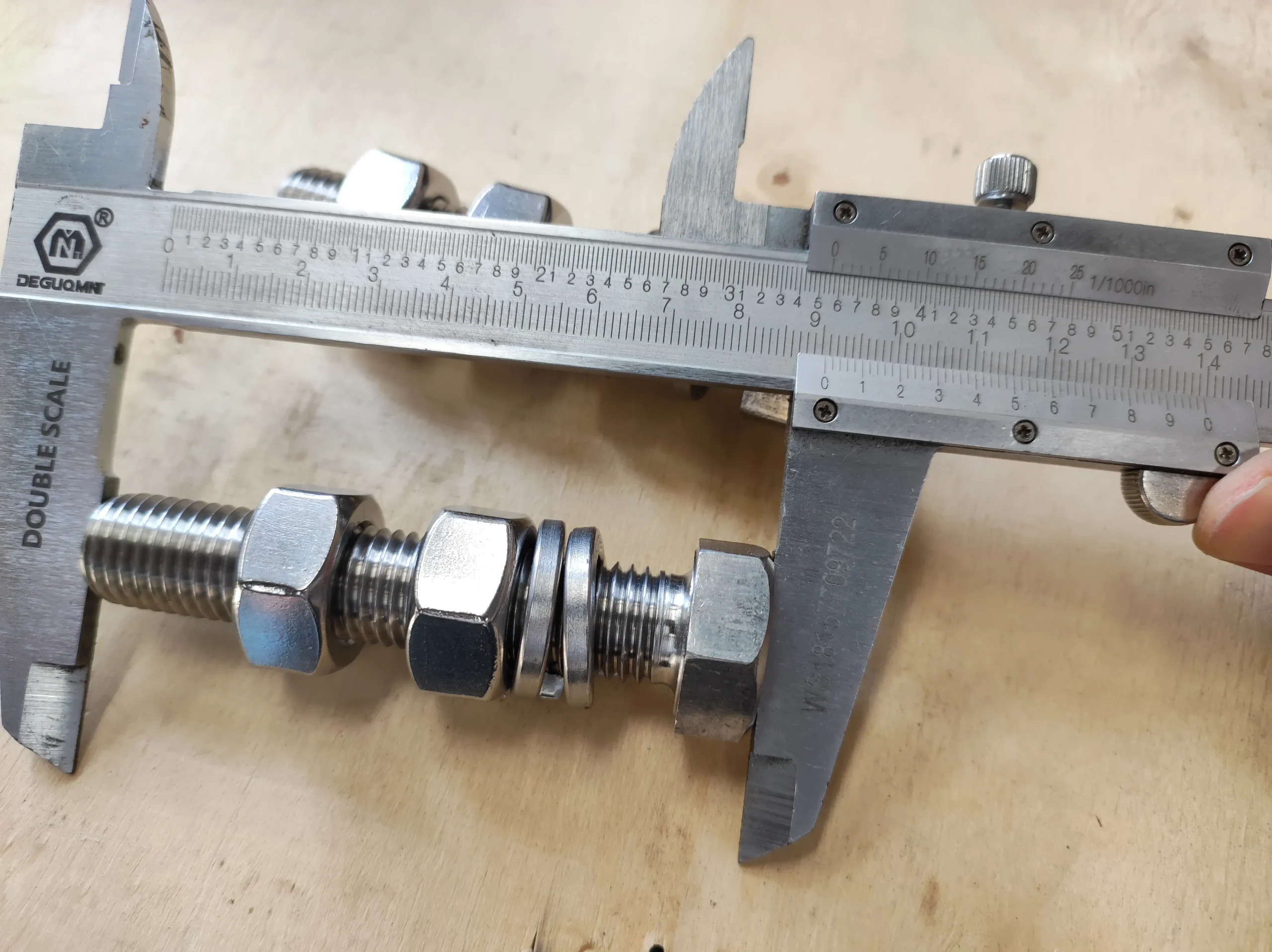
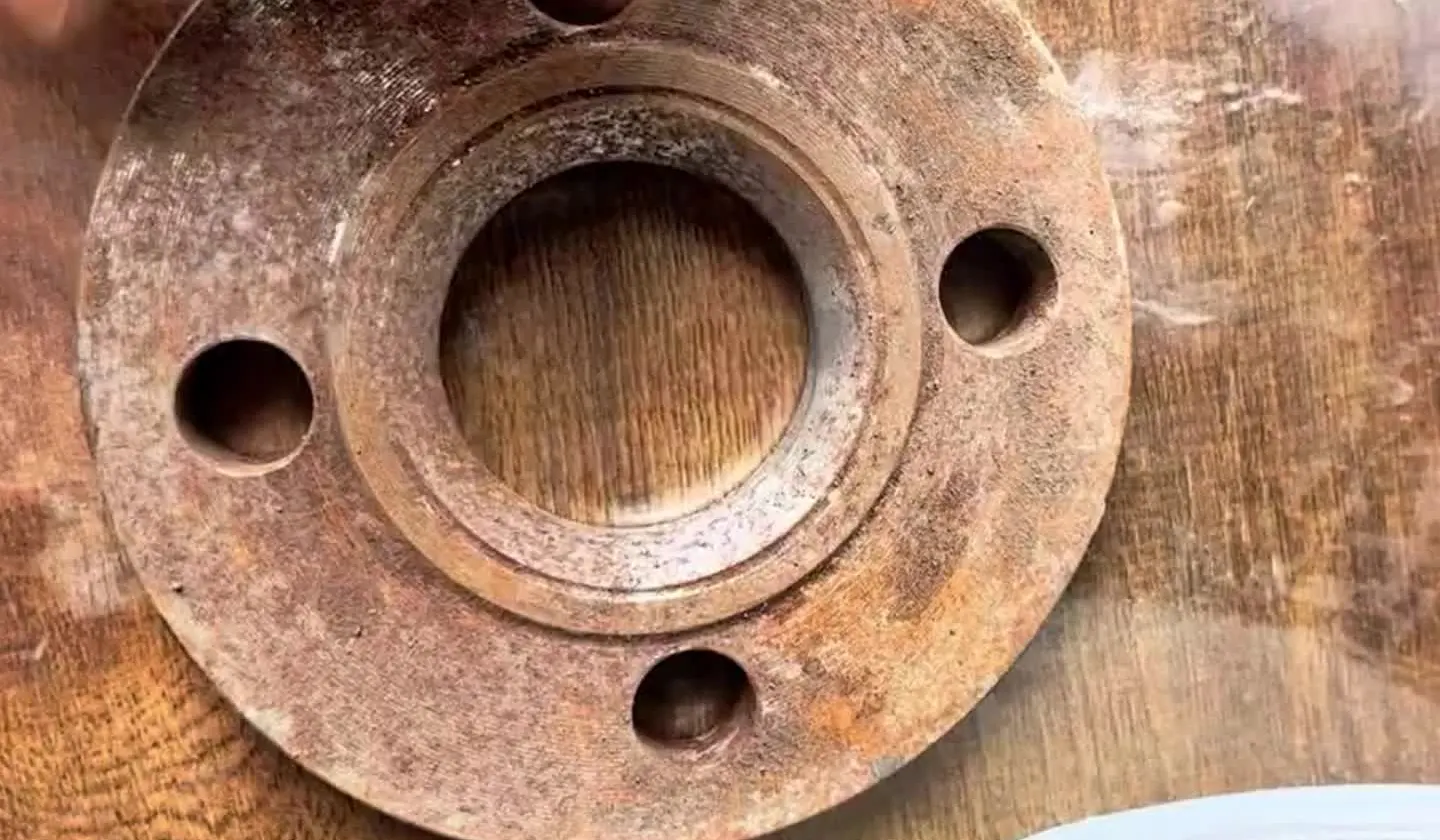
    A Corrosion Resistant Alloy (CRA) is a specialized metal designed to withstand aggressive chemical and environmental attacks.These materials serve as the primary defense against structural degradation in extreme industrial settings.Engineers prioritize these alloys when standard acero al carbono fails to provide adequate safety or longevity.By utilizing a corrosion resistant alloy,we significantly reduce maintenance costs and prevent catastrophic system failures.This is particularly vital in the production of high-quality tubería, accesorios de tuberia y bridas .

    What Exactly is a Corrosion Resistant Alloy?

    A corrosion resistant alloy contains high levels of protective elements like cromo, nickel and molibdeno.These elements react with the environment to form a stable,microscopic “passive layer” on the metal surface.This layer acts as a shield,preventing oxygen and moisture from reaching the underlying metal. Consequently,the material resists rust, picaduras and cracking even in acidic or saline conditions.In the world of piping,this means the internal walls of the pipe remain smooth and intact for decades.

    Qué hacemos

    • Plato
    • Hoja
    • Piezas forjadas
    • Barra redonda
    • Brida
    • Tuberías
    • Accesorios
    • Personalizado

    Más información 

    Common Types of Corrosion Resistant Alloy

    The industry classifies these alloys based on their chemical composition and crystalline structure.Each type offers distinct benefits for specific piping components like codos, camisetas, and flanges.

    Austenitic Stainless Steels

    Aceros inoxidables austeníticos are the most common alloys,including well-known grades like 304 y 316.They offer excellent formability and are easy to weld into complex components.Their high chromium and nickel content provides solid protection against general corrosión atmosférica.

    Ferritic Stainless Steels

    Ferritic alloys,such as Grade 430 or 444,contain high chromium but little to no nickel.They are magnetic and offer excellent resistance to SCC.In piping systems,they are often used for tubos de intercambiador de calor and decorative trim where high ductility is less critical.

    Martensitic Stainless Steels

    Grade 410 and 420 steels fall into this category.Their unique feature lies in achieving exceptionally high hardness through tratamiento térmico.Although their corrosion resistance is lower than that of austenitic types,they serve as ideal corrosion-resistant alloys for wear-resistant pipeline components such as valve seats and pump shafts.

    Duplex and Super Duplex Steels

    Duplex alloys combine the best traits of austenitic and ferritic steels.They offer twice the strength of standard stainless steel.Because of this,they are the preferred corrosion resistant alloy for high-pressure subsea pipelines. They resist agrietamiento por corrosión bajo tensión exceptionally well.
    Super duplex stainless steel may also incorporate alloying elements such as copper and tungsten to enhance its resistencia a la corrosión in specific environments.

    Nickel-Based Alloys

    In the most demanding environments,engineers select aleaciones a base de níquel tal como Inconel® o Monel®. These alloys maintain structural integrity under extreme temperatures and concentrated acids,making them a common choice for specialized flanges in chemical plants.

    Factors That Compromise Corrosion Resistance

    Selecting the right material is not just about cost;it is about system integrity.Piping systems often transport hazardous materials under high pressure.

    In saltwater environments,chlorides can eat small holes into the metal. A high-quality corrosion resistant alloy with molybdenum prevents this localized damage.

    Certain systems operate at hundreds of degrees Celsius.Ordinary metals become brittle,a phenomenon known as thermal degradation. However, CRAs maintain their mechanical properties.

    Because these alloys resist internal corrosion,the pipe walls remain smooth.This lowers pumping costs and improves energy efficiency.

    Preventing leaks is the most effective way to protect the environment.CRAs provide the reliability needed to prevent spills in sensitive areas.

    Corrosion Resistant Alloy Specifications

    Alloy CategoryResistencia a la corrosiónMechanical StrengthTypical Piping Use
    Austenitic (316L)AltaModeradoFood & Pharma Pipes
    Duplex (2205)Muy altaAltaOil & Gas Flowlines
    Super Duplex (2507)ExcelenteMuy altaDesalination Plants
    Nickel Alloy (625)ExtremoAltaChemical Refineries

    Key Alloying Elements and Their Functions

    ElementoFunción principalImpact on Piping Systems
    CromoForms Passive FilmPrevents general rusting and oxidation
    NíquelEnhances ToughnessImproves performance in cold temperatures
    MolibdenoResists PittingEssential for marine y chloride exposure
    NitrogenBoosts StrengthAllows for thinner, lighter pipe walls

    How to Select A Corrosion Resistant Alloy

    As experts with over 10 years of experience in pipes and fittings,Kaysuns believes that selecting the appropriate alloy requires analyzing the specific “threats” present in the application scenario.
    Of course,you can also leave these tedious tasks to us.

    Chloride-Rich Environments (Marine/Offshore)

    In coastal areas,”pitting” is the primary enemy.You should look for an alloy with a high PREN. For example,while 316L works in mild salt spray,Super Duplex 2507 is necessary for direct seawater contact.

    High-Pressure Acidic Service (Oil & Gas)

    If your pipeline carries “sour gas” (H2S), you must prioritize resistance to sulfide stress cracking.Nickel-based alloys or specific Duplex grades are the standard here.These materials prevent sudden,brittle fractures that can lead to environmental disasters.

    High-Temperature Oxidation (Refineries)

    When temperatures exceed 500℃(932℉),standard alloys may scale and weaken.In these cases,a corrosion resistant alloy with high silicon or aluminum content is preferred.These elements form a different type of protective scale that stays stable under extreme heat.

    Sanitary and High-Purity Applications (Pharma/Food)

    In these sectors,surface smoothness is as important as chemistry.Austenitic 316L is typically electropolished.This creates an ultra-smooth surface that prevents bacteria from sticking to the pipe walls,ensuring product purity.
    However, it is important to note that they must comply with relevant cleanliness standardscomo 3-A Normas sanitarias, ASME BPE, ISO 2853, Directrices EHEDG, and so on.Our sanitary products have all obtained the necessary certificaciones.

    Corrosion Resistant Alloy Care

    Installing a component made from corrosion resistant alloys requires professional expertise.Standard welding tools can sometimes contaminate the alloy if used improperly.Therefore,fabricators must use dedicated stainless steel tools to avoid “cross-contamination” with carbon steel.Furthermore,after welding stainless steel pipe fittings,a process called “pickling and passivation” is often required.This ensures the protective layer is fully restored at the weld joints.
    Regular cleaning removes surface contaminants like salt or chemical deposits.This simple management step prevents the localized breakdown of the passive film over time.

    Contacto

    Póngase en contacto con nosotros
    Encuéntranos
    logotipo de Kaysuns

    Póngase en contacto con nosotros

    Suministro de Tuberías de acero inoxidable y aleaciones

    • ¿Necesita una oferta?
    • ¿Desea conocer la dimensión / catálogo?
    • ¿Hablamos de cuestiones técnicas?

    No dude en ponerse en contacto con nosotros, estaremos encantados de responder a todas sus preguntas.

    Obtenga ahora un presupuesto gratuito

    small_c_popup.png

    Solicite ahora un presupuesto gratuito

    ¿Quiere saber más? Póngase en contacto con nosotros

    Le responderemos en 24 horas. Gracias.