¿Por qué curvamos tubos de acero inoxidable?
Materiales para tubos curvados de acero inoxidable
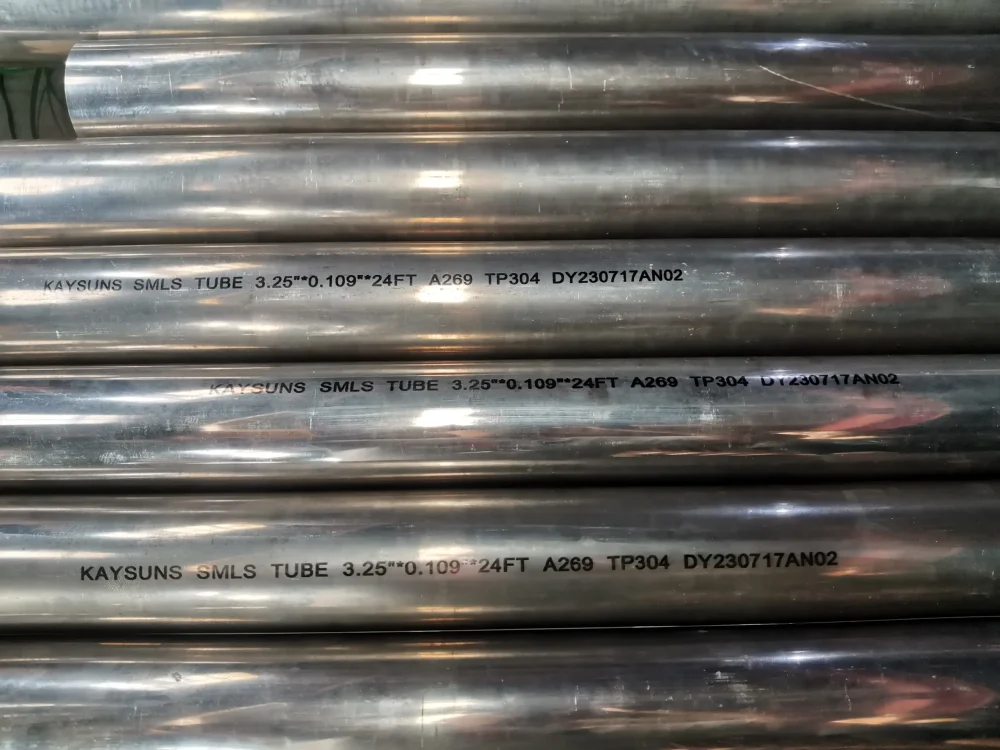
- Tubos de acero inoxidable 304/304L:
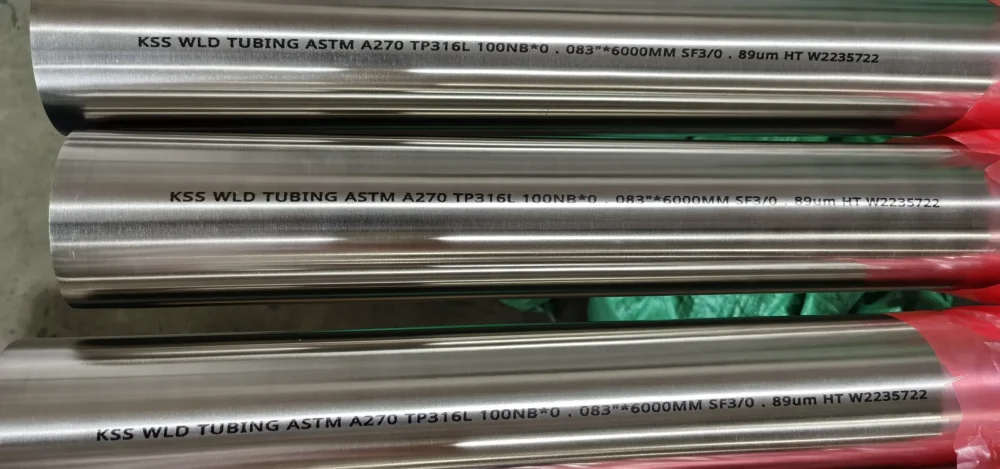
Debido a su excelente ductilidad, es la opción más popular para las operaciones de plegado. - Tubos de acero inoxidable 316/316L:
Con una resistencia superior a la corrosión, se utiliza habitualmente en la industria naval y farmacéutica.
Qué hacemos
- Plato
- Hoja
- Piezas forjadas
- Barra redonda
- Brida
- Tuberías
- Accesorios
- Personalizado
Más información
Métodos habituales para doblar tubos de acero inoxidable
Curvado por estirado rotativo
- Excelente precisión dimensional
- Adelgazamiento mínimo de la pared
- Ideal para radios estrechos
Doblado de mandriles
Para los tubos de pared delgada, utilizamos el proceso de mandril, que es una varilla metálica sólida que se inserta en el tubo durante el mecanizado y sujeta la pared interior del tubo para evitar su deformación o hundimiento.
- Configuración sencilla
- Bajo coste de utillaje
- Mayor riesgo de deformación
- No apto para tubos inoxidables de radio estrecho o pared delgada
Plegado por inducción de calor
Las tuberías de gran diámetro suelen requerir calor. Una bobina de inducción calienta una pequeña sección de la tubería a alta temperatura. A medida que el metal se ablanda,un brazo mecánico empuja la tubería en una curva.Este método permite realizar curvas muy grandes en tuberías industriales de gran tonelaje que deben soportar altas presiones.
- Adecuado para curvas de gran radio
- Funciona bien con tubos de pared gruesa
Comparación técnica de los métodos de plegado
| Método de plegado | Mejor aplicación | Nivel de precisión | Riesgo de adelgazamiento de la pared |
|---|---|---|---|
| Sorteo rotativo | Tuberías pequeñas y medianas | Muy alta | Bajo |
| Mandril | Tubos de pared delgada | Excelente | Mínimo |
| Curvado de rodillos | Curvas de gran radio | Moderado | Moderado |
| Inducción | Grandes tuberías industriales | Alta | Moderado |
Desafíos: Springback y endurecimiento del trabajo
Aplicaciones de los tubos curvados de acero inoxidable
- Serpentines intercambiadores de calor:
Las curvas continuas permiten obtener la máxima superficie de refrigeración en un espacio compacto. - Sistemas de escape:
Las curvas suaves reducen la contrapresión en los conductos de escape de gases para mejorar la eficiencia del motor. - Tuberías sanitarias:
Las curvas eliminan las hendiduras de los racores soldados, lo que facilita la limpieza del sistema. - Soportes estructurales:
Los tubos curvados proporcionan marcos resistentes y estéticos para equipos industriales y barandillas.
Inspección de calidad tras el curvado
| Paso de inspección | Requisitos técnicos | Importancia |
|---|---|---|
| Espesor de pared | Comprobar el adelgazamiento del radio exterior | Garantiza que la tubería pueda soportar la presión nominal |
| Prueba de ovalidad | Comprobar la redondez de la sección transversal | Garantiza un ajuste correcto con una junta de brida |
| Penetrante colorante | Buscar microfisuras | Evita futuras corrosiones y fugas repentinas |
| Pasivación | Restaurar la capa de óxido | Protege la superficie “nueva” de la oxidación |
Preguntas frecuentes sobre el curvado de tubos de acero inoxidable
Sí,El curvado con mandril reduce significativamente el riesgo de agrietamiento.
Un doblado incorrecto puede provocar microfisuras o un endurecimiento excesivo por deformación, lo que puede reducir la resistencia a la corrosión.
Los tubos de pequeño diámetro suelen curvarse en frío. El curvado por calor o inducción se utiliza para tubos de gran diámetro o pared gruesa.
304 y 304L suelen ser los más fáciles debido a su excelente ductilidad.
Contacto
- RM901 No.22 Tangjiaqiao Road Wenzhou China
- +86 577 8551 1171
- [email protected]
- https://www.kaysuns.com/