Saltar al contenido
Inicio " Thin VS Thick Wall SS Pipe:What Are Their Pros And Cons?

Thin VS Thick Wall SS Pipe:What Are Their Pros And Cons?

    Choosing between thin vs thick wall SS pipe is a fundamental decision for any engineer designing a modern piping system.Stainless steel pipes come in various schedules,ranging from light-gauge tubing to heavy-duty pressure pipes.Each type serves a distinct purpose depending on the pressure,temperature,and environment.Selecting the wrong wall thickness can lead to premature failure or unnecessary project costs.

    Defining Thin and Thick Wall Stainless Steel Pipes

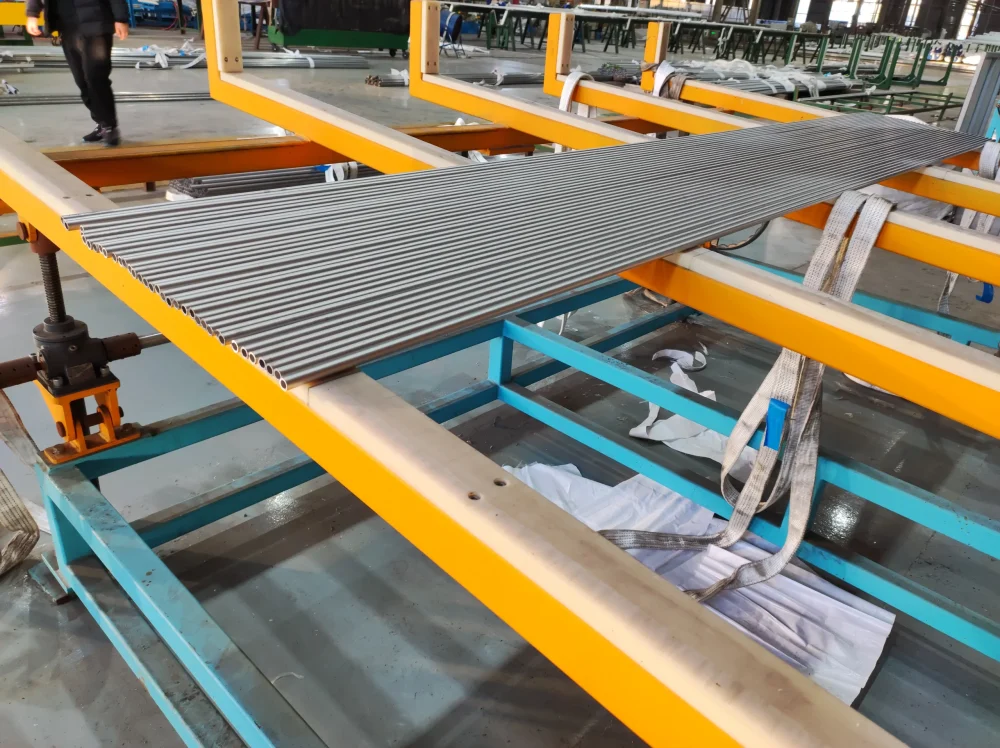
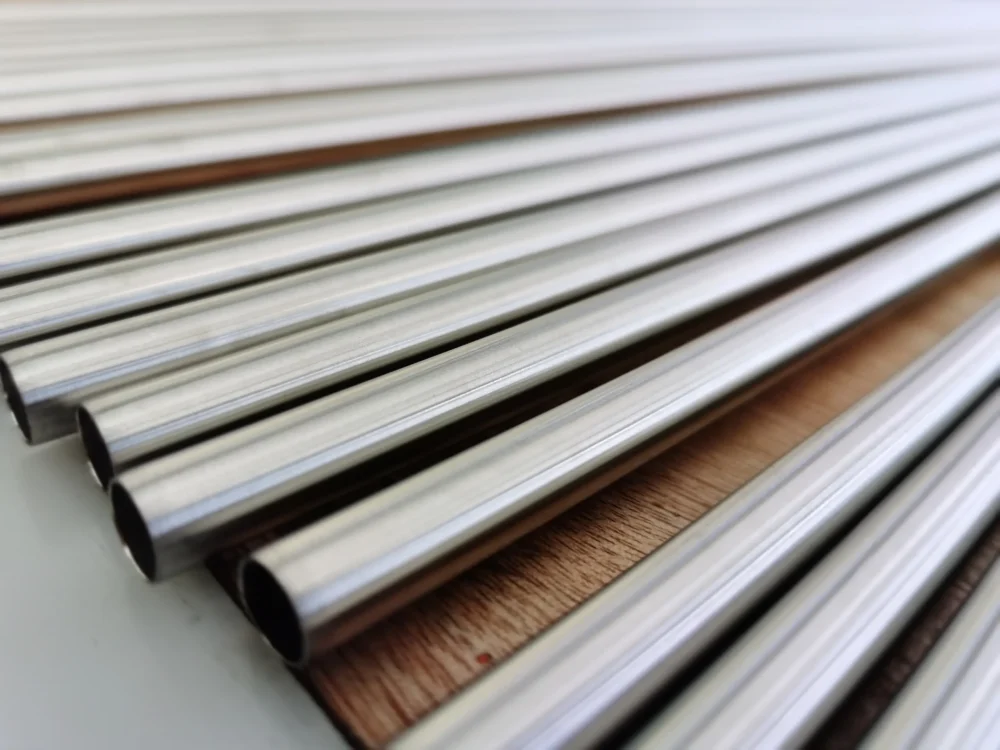
    In the piping industry,we define thickness using “Schedules.”For example,Schedule 5 or 10 usually represents thin-wall pipes. Meanwhile,Schedule 40,80,or even 160 represents thick-wall varieties.
    Thin-wall pipes prioritize weight reduction and material savings.They are common in low-pressure applications like water treatment or food processing.Conversely,thick-wall pipes provide the structural mass needed for extreme industrial environments.These are essential for high-pressure gas lines or chemical refineries.The choice impacts not only the pipe itself but also the selection of accesorios de tubería de acero inoxidable and flanges.

    Qué hacemos

    • Plato
    • Hoja
    • Piezas forjadas
    • Barra redonda
    • Brida
    • Tuberías
    • Accesorios
    • Personalizado

    Más información 

    Pros and Cons of Thin Wall SS Pipe

    Thin-wall stainless steel pipes offer incredible efficiency for the right applications.Because they use less raw material,they are significantly more affordable than heavy-duty options.

    Ventajas

    You pay for less nickel and chromium per foot of pipe.

    These pipes are lightweight.Consequently,technicians can install them faster with less heavy machinery.

    For a given outer diameter,a thinner wall means a larger internal diameter.This allows for higher fluid volume.


    Thin walls allow heat to pass through the metal quickly,which is ideal for heat exchangers.

    Desventajas

    However,thin walls have limitations.They cannot handle high-pressure surges effectively.Furthermore,they are more susceptible to mechanical damage and “ovalization” during the welding process.If the wall is too thin,excessive heat during welding can destroy the protective passive layer more easily.

    Pros and Cons of Thick Wall SS Pipe

    When your project involves high safety risks or extreme pressures,thick-wall pipes are the industry standard.

    Ventajas

    Thick walls can withstand immense internal stress without bursting.

    In aggressive chemical environments,extra thickness provides a “buffer.” Even if some surface corrosion occurs,the pipe remains structurally sound.

    These pipes can support their own weight over longer spans.This reduces the number of pipe hangers and supports required.

    They resist external impacts and vibrations better than thin-walled tubing.

    Desventajas

    The primary drawback lies in cost.Procurement and transportation expenses for thick-walled pipes are high.Additionally,welding thick-walled stainless steel requires multiple passes and consumes more filler metal.This may increase construction labor hours.

    Technical Comparison:Thin vs Thick Wall SS Pipe

    CaracterísticaThin Wall (Sch 5/10)Thick Wall (Sch 40/80+)
    PesoMuy ligeroHeavy
    Presión nominalLow to ModerateHigh to Extreme
    Coste de materialBajoAlta
    Welding DifficultyHigh (Risk of Burn-through)Moderate (Requires Multi-pass)
    Solicitud principalDecorative / Low-pressure fluidOil & Gas / Chemical / Steam
    Vibration ResistancePobreExcelente

    Thin vs Thick Wall SS Pipe:Pressure Design Considerations

    When selecting wall thickness,the most commonly used mathematical formula is the Barlow’s Formula,which calculates the relationship between internal pressure and allowable stress.
    P = (2 * S * t) / D
    (Where P is pressure,S is allowable stress,t is wall thickness,and D is outside diameter).
    As the formula demonstrates,increasing the wall thickness (t) directly increases the pressure-bearing capacity (P).Therefore,for high-pressure steam or hydraulic systems,thick-wall pipes are a non-negotiable safety requirement.Conversely,using a thick-wall pipe in a low-pressure gravity drain is a waste of resources.

    The Role of Corrosion Allowance in Material Selection

    In the industrial world,pipes do not just fail from pressure;they fail from thinning.Aggressive chemicals gradually “eat” the metal surface.
    For thin-wall pipes,even a small amount of pitting corrosion can cause a total breach.However,designers of thick-wall pipes often include a “Corrosion Allowance” (typically 1.5mm to 3.0mm).This extra thickness acts as a sacrificial shield.It allows the pipe to lose some material over 20 years while still maintaining enough strength to hold the operating pressure.This strategic “over-engineering” is essential for the long-term reliability of chemical processing plants.

    Fabrication Hurdles:Welding Different Wall Thicknesses

    The welding process changes drastically depending on the pipe’s gauge.Welding stainless steel on thin-wall tubing requires a delicate touch and low heat input to prevent “burn-through” or warping.Often,TIG welding is the only viable option for these light-gauge systems.
    On the other hand,heavy-wall pipes require a “V-groove” preparation and multiple welding passes.While the risk of burn-through is low,the welder must ensure “full penetration” to avoid internal defects.Failure to bond the thick root pass can lead to cracks that propagate under vibration.This technical contrast is why labor costs for thick-wall systems are significantly higher.

    Thin vs Thick Wall SS Pipe:Application Guide by Industry

    IndustriaTypical ChoiceReason for Selection
    Food & BeverageThin WallHigh hygiene / Low pressure
    FarmacéuticoSmooth internal surface / Purity
    HVAC SystemsWeight savings / Thermal transfer
    Offshore OilThick WallHigh pressure / Seawater corrosion
    Nuclear PowerSafety factor / Structural integrity
    Chemical PlantsSafety buffer against aggressive acids

    Contacto

    Póngase en contacto con nosotros
    Encuéntranos
    logotipo de Kaysuns

    Póngase en contacto con nosotros

    Suministro de
    Tuberías de acero inoxidable y aleaciones

    • ¿Necesita una oferta?
    • ¿Desea conocer la dimensión / catálogo?
    • ¿Hablamos de cuestiones técnicas?

    No dude en ponerse en contacto con nosotros, estaremos encantados de responder a todas sus preguntas.

    Obtenga ahora un presupuesto gratuito

    small_c_popup.png

    Solicite ahora un presupuesto gratuito

    ¿Quiere saber más? Póngase en contacto con nosotros

    Le responderemos en 24 horas. Gracias.