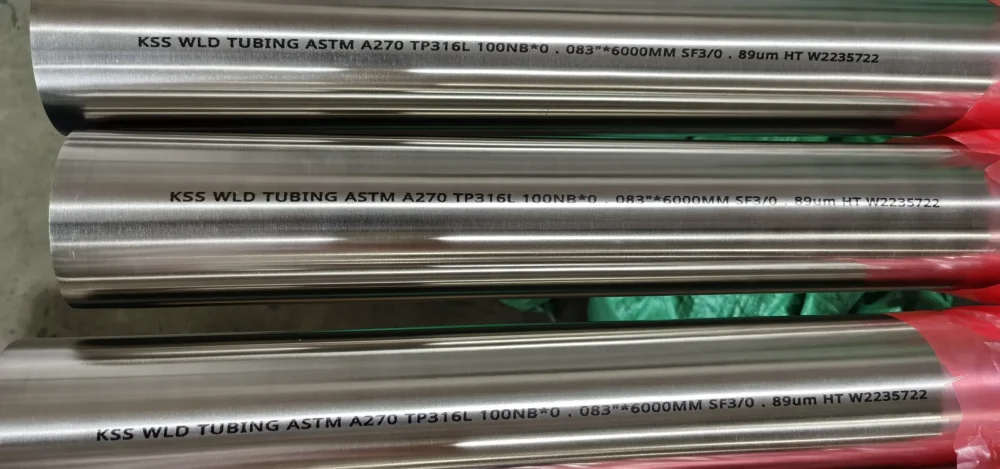
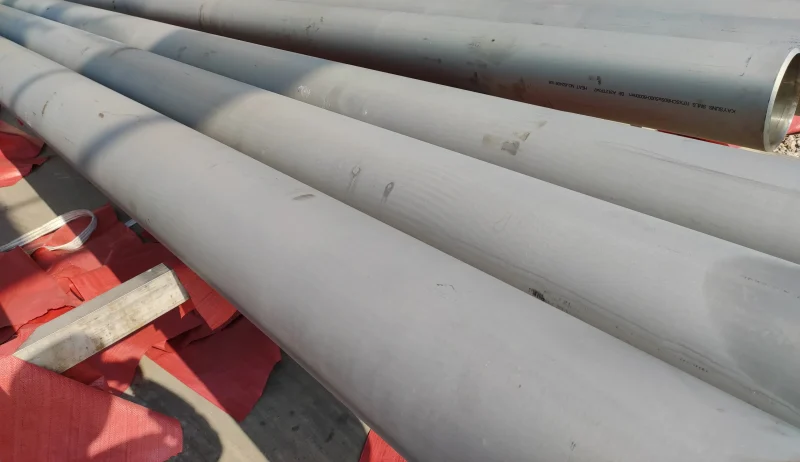
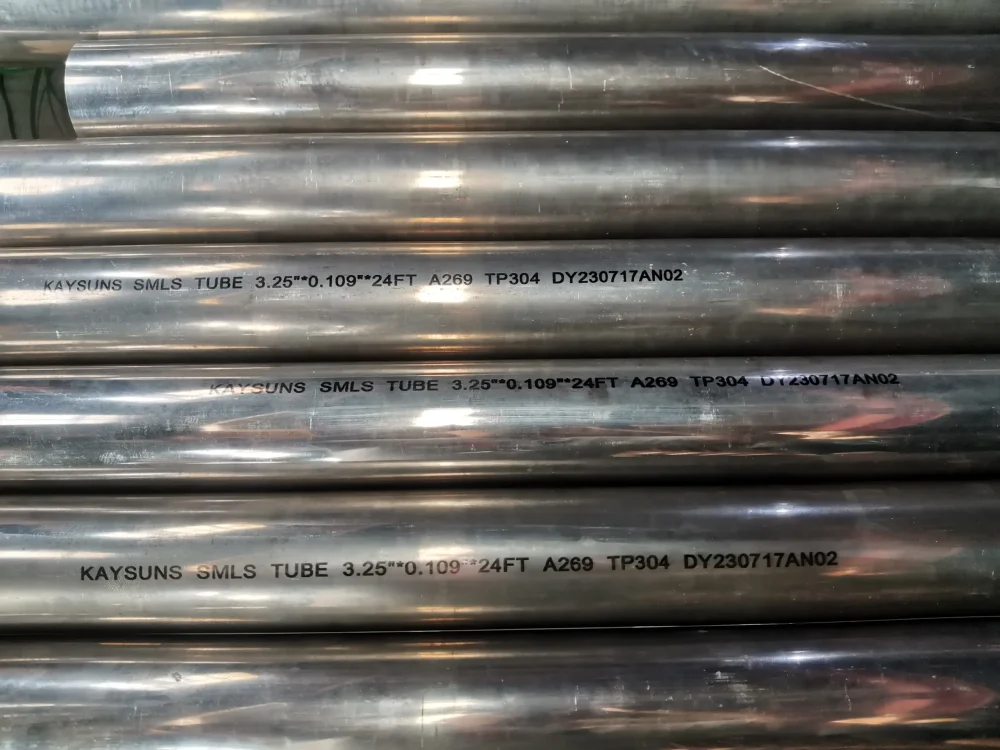
¿Qué es el acero inoxidable?Este material es la piedra angular de la industria y la fabricación modernas. Ofrece una resistencia sin igual al óxido y la corrosión. Esto lo hace esencial para aplicaciones de alta integridad. tubo SS producción. Además, es vital para crucial Accesorios de tubería SS. Su excepcional durabilidad lo convierte a menudo en la mejor inversión a largo plazo.
Definición del acero inoxidable y su composición
El acero inoxidable es principalmente una aleación de hierro, cuyo elemento definitorio es el cromo. 10.5% El cromo es necesario para sus propiedades.Este cromo es la fuente de la defensa pasiva del metal.Otros elementos clave son el níquel,el molibdeno y el carbono.La inclusión de níquel estabiliza la estructura. La adición de molibdeno mejora la resistencia al ataque de los cloruros.
Cuando el cromo entra en contacto con el oxígeno,forma instantáneamente una capa de pasivación,el óxido de cromo. Esta fina capa protectora posee unas propiedades excepcionales, ya que protege continuamente el metal subyacente del contacto con el aire y evita la oxidación. Esta capacidad de autorreparación confiere al metal su denominación distintiva de ‘acero inoxidable’.
| Elemento | Función principal | Efecto sobre tuberías/accesorios |
|---|---|---|
| Cromo | Forma una capa pasiva. | Resistencia a la corrosión |
| Níquel | Estabiliza la austenita. | Aumenta la dureza y la ductilidad. |
| Molibdeno | Combate ataques localizados | Resiste las picaduras y las grietas. |
| Carbono | Controla la dureza | Influye en la soldabilidad. |
Qué hacemos
- Plato
- Hoja
- Piezas forjadas
- Barra redonda
- Brida
- Tuberías
- Accesorios
- Personalizado
Más información
Clasificación del acero inoxidable
El SS se clasifica principalmente en Cinco tipos principales.La microestructura de la aleación determina su clasificación.
Comprender estas clasificaciones ayuda a determinar la aplicación óptima para el material.
Aceros austeníticos (serie 300)
Los aceros inoxidables austeníticos son los más comunes, como el 304 y el 316. Contienen altos niveles de níquel y cromo. Los aceros austeníticos son amagnéticos y muy resistentes a la corrosión, pero no pueden endurecerse mediante tratamiento térmico.
Aceros ferríticos (serie 400)
Los aceros ferríticos presentan propiedades magnéticas pero contienen niveles más bajos de níquel. Grados como el 430 son representantes habituales. Esta categoría de acero ofrece una excelente resistencia a la corrosión bajo tensión y se emplea con frecuencia en el sector de la fabricación de automóviles.
Aceros martensíticos (serie 400)
El acero martensítico presenta propiedades magnéticas y puede endurecerse mediante tratamiento térmico. El acero de grado 410 tiene una amplia aplicación, por lo que es adecuado para componentes de alto desgaste, como los vástagos de válvulas.
Aceros dúplex
Los aceros dúplex combinan a partes aproximadamente iguales estructuras austeníticas y ferríticas, lo que les confiere una gran solidez y una excelente resistencia a la corrosión. 2205 se utilizan en entornos duros y corrosivos.
| Familia de grados | Característica principal | Estructura | Ejemplo de calificación |
|---|---|---|---|
| Austenítico | Resistencia a la corrosión | No magnético | 304, 316 |
| Ferrítico | Menor costo | Magnético | 430 |
| Martensítico | Alta dureza | Magnético, endurecible | 410 |
| Dúplex | Alta resistencia | Mixto | 2205 |
Ventajas clave del acero inoxidable
La capa de óxido de cromo proporciona una resistencia eficaz a la corrosión química, una acción protectora crucial en entornos húmedos o ácidos, que garantiza la durabilidad del material durante décadas.
Este material mantiene su integridad bajo presión y a altas temperaturas,reduciendo así el riesgo de rotura o fallo por fatiga,y soporta con fiabilidad los sistemas de fluidos a alta presión.
La superficie lisa y no porosa inhibe el crecimiento bacteriano y facilita una desinfección y limpieza eficaces. Esta característica es un requisito obligatorio en aplicaciones farmacéuticas.
El acero inoxidable presenta una excelente resistencia a las temperaturas extremas, tanto altas como bajas, lo que lo convierte en la opción ideal para diversas aplicaciones industriales y evita eficazmente la degradación térmica.
Principales desventajas del acero inoxidable
El acero inoxidable es más caro que el acero al carbono, debido al coste de su fabricación. aleación de cromo-níquel. Su inversión inicial debe justificarse por su prolongada vida útil.
Las altas concentraciones de sal o cloruro pueden comprometer la capa de pasivación,provocando corrosión localizada por picaduras.Los grados de acero con alto contenido en molibdeno deben emplearse en entornos marinos.
La soldadura requiere un control estricto de la aportación de calor para evitar la sensibilización del metal,lo que implica un tratamiento térmico posterior a la soldadura.Los procedimientos inadecuados pueden comprometer la resistencia a la corrosión del metal.
Ciertos tipos de acero de alta aleación poseen una gran tenacidad, lo que dificulta su corte y conformado con precisión, aumentando así el tiempo y el coste de fabricación de los componentes.
Proceso de fabricación: cómo se fabrica el acero inoxidable
- En primer lugar, las materias primas se funden en un horno de arco eléctrico (EAF). A continuación, el metal fundido pasa a la fase de refinado. El proceso de descarburación con argón y oxígeno (AOD) elimina el exceso de carbono, lo que garantiza una composición precisa de la aleación.
- Los desbastes se laminan en caliente inmediatamente después de la colada para formar el material de base.
- El perfeccionamiento final se consigue normalmente mediante el laminado o el estirado en frío, con los que se consiguen unas dimensiones finales precisas y el acabado superficial requerido.
| Paso del proceso | Objetivo principal | Equipo utilizado |
|---|---|---|
| Fusión | Aleación inicial | Horno eléctrico de arco (EAF) |
| Refinado | Control del carbono | Convertidor AOD |
| Casting | Solidificar acero | Máquina de colada continua |
| Formando | Material de forma | Taller de laminación |
El deslustre y la corrosión del acero inoxidable
Muchos preguntan por las características de rendimiento a largo plazo de este material. El acero inoxidable no se oxida como el hierro común. Sin embargo, la corrosión por cloruros o los entornos con bajo contenido de oxígeno pueden causar corrosión localizada, que se manifiesta en forma de manchas oscuras o una capa oxidada. Es precisamente esta cuestión la que hace que la elección entre acero inoxidable y acero al carbono sea fundamental. El acero inoxidable solo requiere medidas de protección contra amenazas químicas específicas.
Aplicaciones en tuberías y productos cotidianos
Los tubos de acero inoxidable se fabrican en dos formas.Tubo soldado está fabricado a partir de flejes laminados.Tubo sin soldadura Los accesorios de tubería de acero inoxidable dirigen el flujo de fluidos, como codos, bridas y tes.
Los productos cotidianos también utilizan este material. Los electrodomésticos de cocina, los instrumentos quirúrgicos y las piezas de vehículos dependen de su durabilidad.
Contacto
- RM901 No.22 Tangjiaqiao Road Wenzhou China
- +86 577 8551 1171
- [email protected]
- https://www.kaysuns.com/